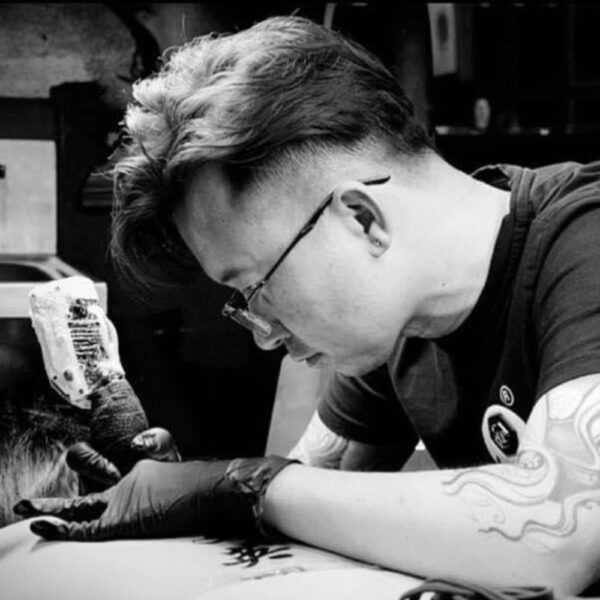
Small tattoos prove that size has little to do with meaning. This guide from Holistic Ink in Boston walks through 10 designs, from a monk figurine to a coordinates ring, and explains what each one stands for. You’ll also find tips on minimum size, body areas and healing, so your tiny piece stays crisp for years.
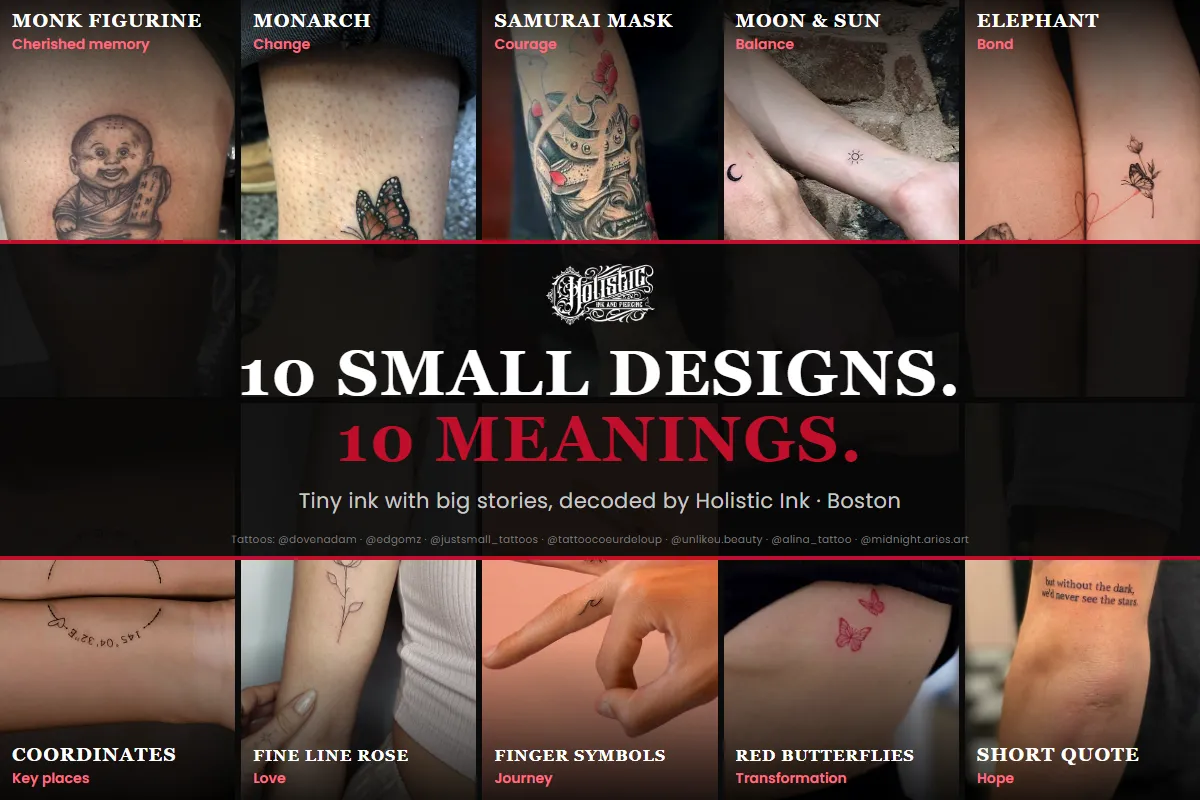
Small Tattoos and Their Meanings by Holistic Ink
A good small design starts with one simple rule: every line needs room to breathe. Our artists in Dorchester, Southbay and Cambridge keep that in mind with every stencil, because lines packed too close can blur together as the skin heals. The first three ideas below come from our own work and our clients’ photos, one for each of our signature styles. Seven more are fine line and minimalist pieces we admire from artists around the world. Each one has its own meaning, so you can pick the idea that fits your story.
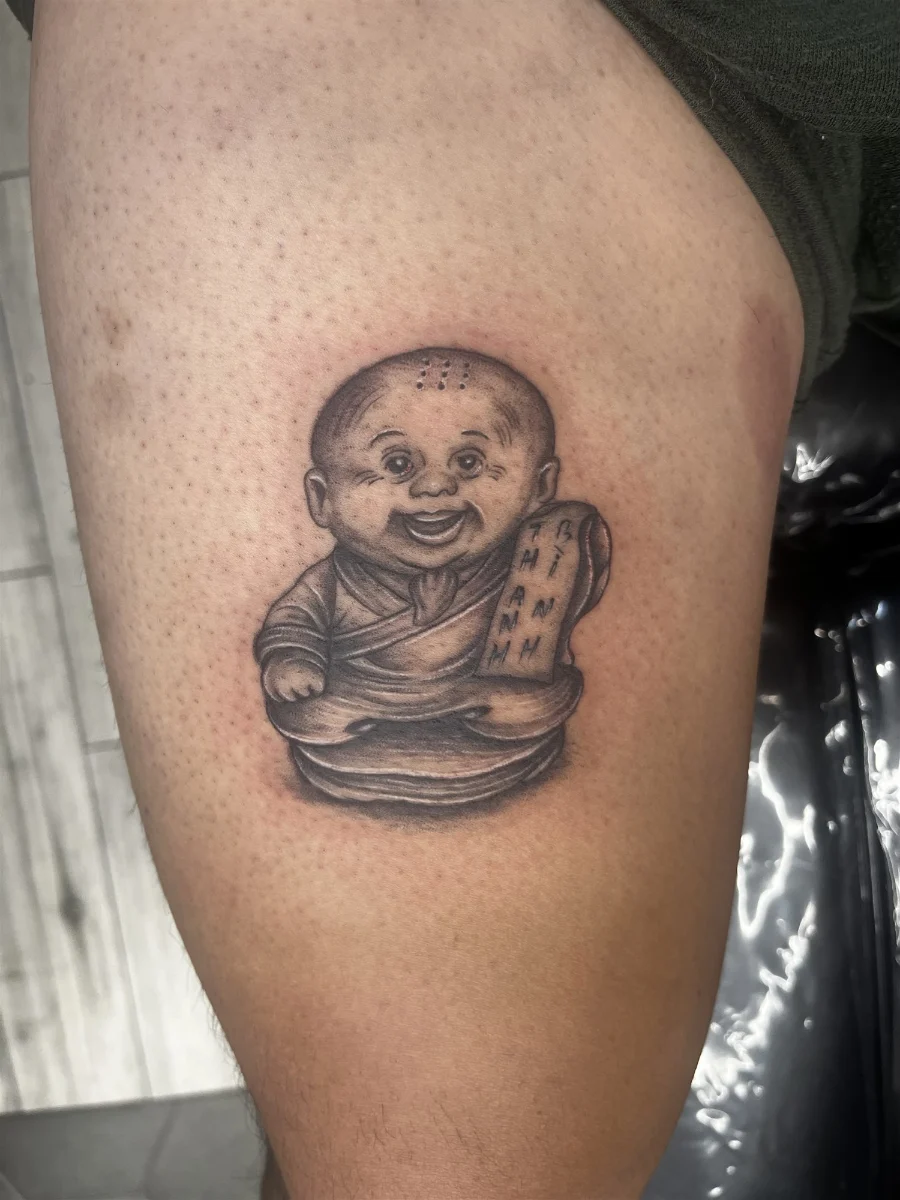
Black and Grey Realism Monk Figurine
This little monk figurine sits on the calf in black and grey realism, no taller than a hand. Thu Phuket at Holistic Ink built it from a client’s old keychain. Smooth shading gives the laughing face real depth. The figure is about keeping a memory close, along with a cheerful kind of peace. It’s a great fit if you own a small object that means a lot to you, since a good artist can turn almost anything into clean realism.
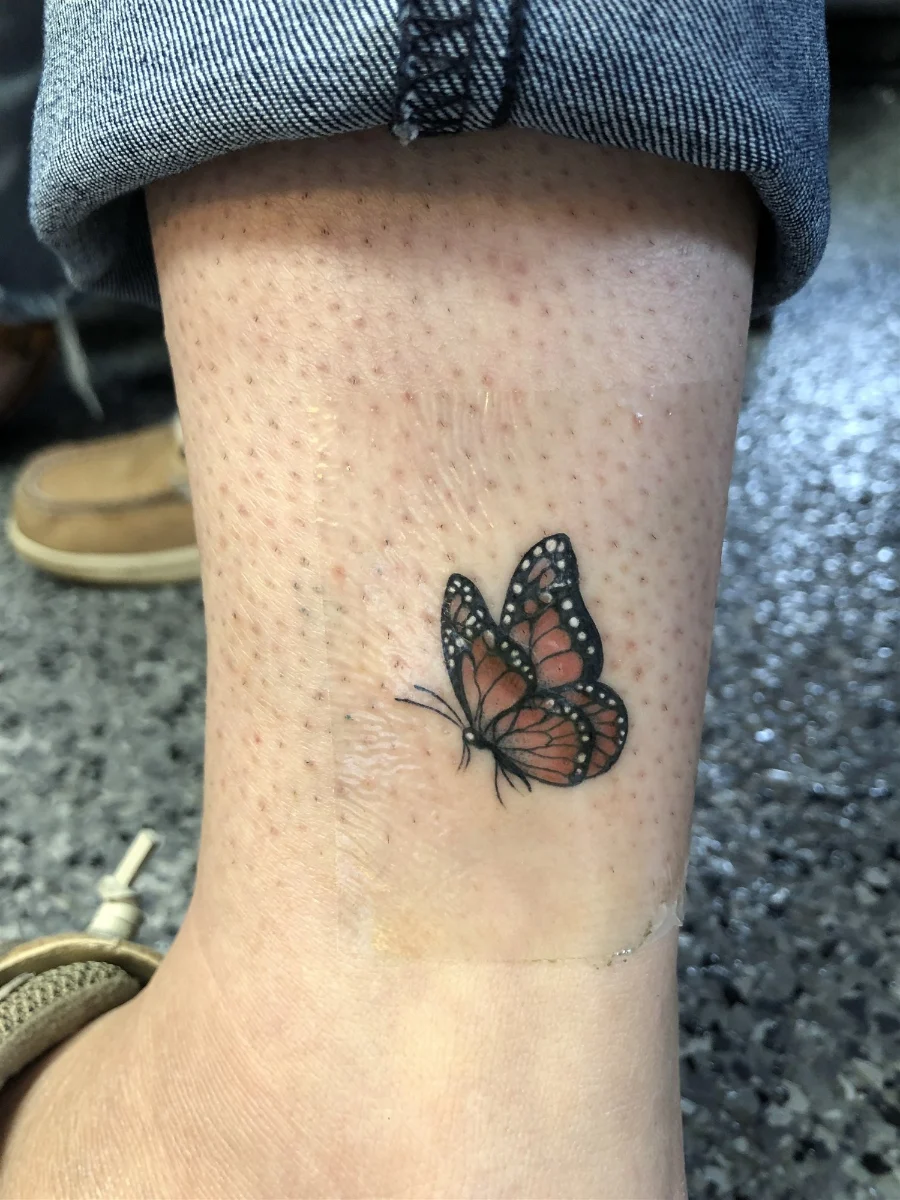
Color Realism Monarch Butterfly
A monarch butterfly about the size of a large coin lands near the ankle, with orange and brown wings edged in white dots. Soft gradients make the wings look real, and the client shared this photo in a Google review. Monarchs are often linked to change, freedom and hope, which is why they show up on people marking a new chapter. Color work at this size needs smooth blends and a little space between shades. It’s a good fit for anyone who wants a bright accent instead of a busy scene.
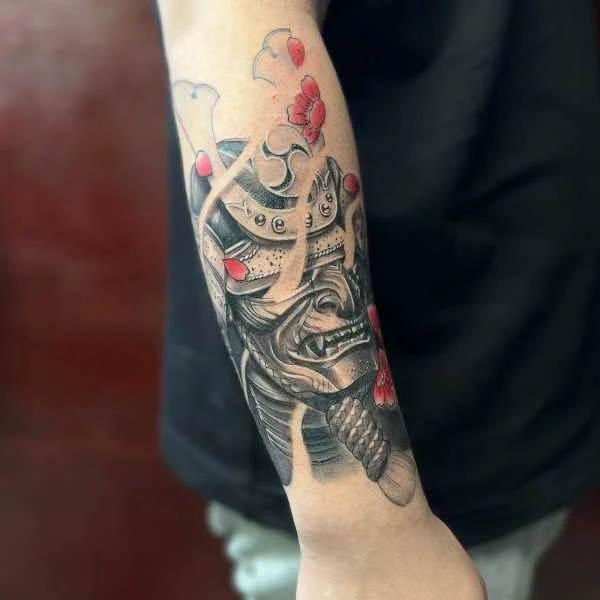
Japanese Irezumi Samurai Mask
Bill Le tattooed this samurai mask on the forearm in bold dark outlines, with a few red blossoms tucked around it. The mask carries the meaning of courage and protection, and the red flowers add a pop of color without crowding the frame. Irezumi usually covers big areas, so a compact version like this is rare. It shows how strong outlines hold detail in a tight space. It’s perfect for anyone who wants a design with Japanese roots that still fits neatly on a forearm.
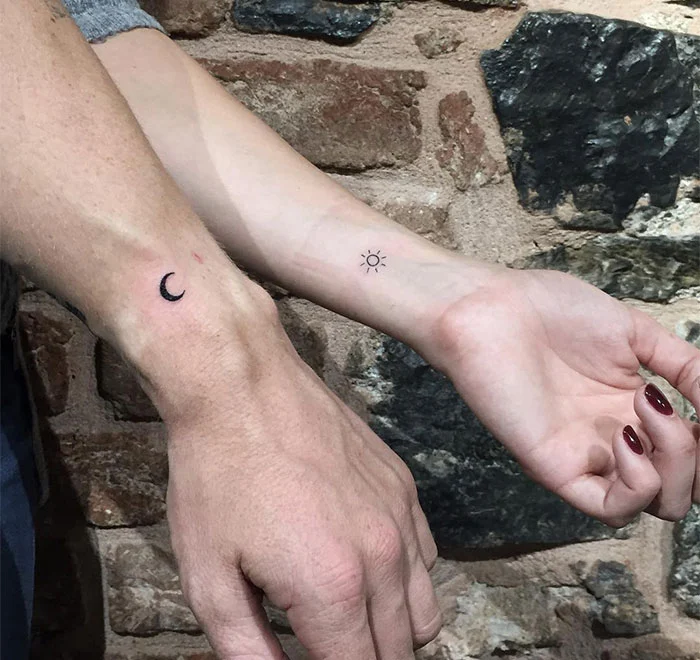
Matching Moon and Sun on the Wrists
One wrist carries a small black crescent moon, and the other holds a thin-lined sun. Worn together, the pair reads as balance and the bond between two people. Couples, best friends and sisters often choose matching designs like this, since each person keeps one half and the full picture appears when they’re side by side. Wrists work well for fine lines. Just ask your artist about spacing, so the sun’s rays don’t merge over time.
Elephant and Flower Joined by a Red Thread
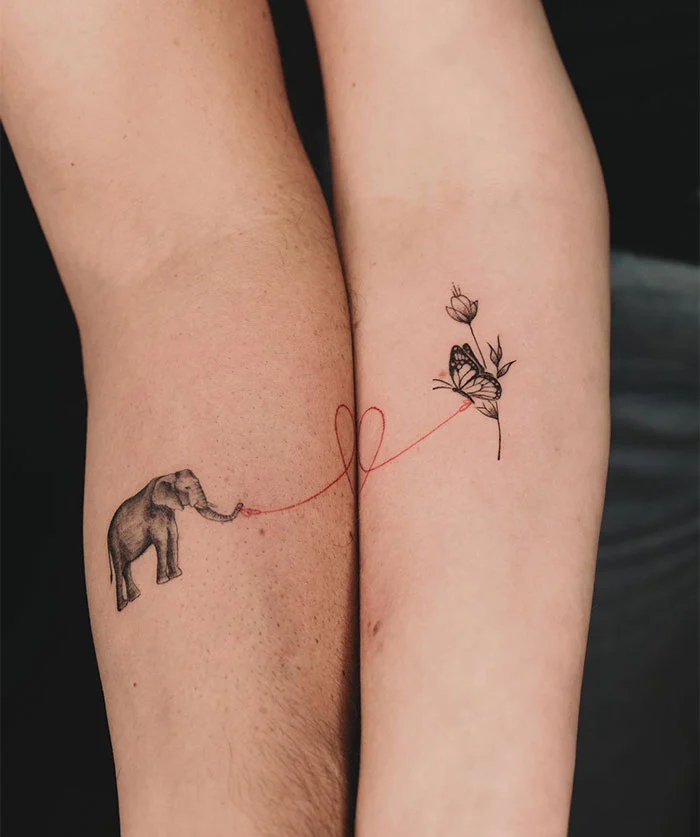
A gray elephant sits on one forearm. A flowering branch rests on the other, and a thin red thread runs between the two arms. The thread nods to the old belief that people who are meant to stay close remain connected, whatever the distance. Elephants are tied to family and long memory in many cultures. That makes this idea a good one for a parent and child, or two loved ones living far apart. It’s a thoughtful choice if you want a pair that tells a story only the two of you fully understand.
Coordinates Ring Around the Wrist
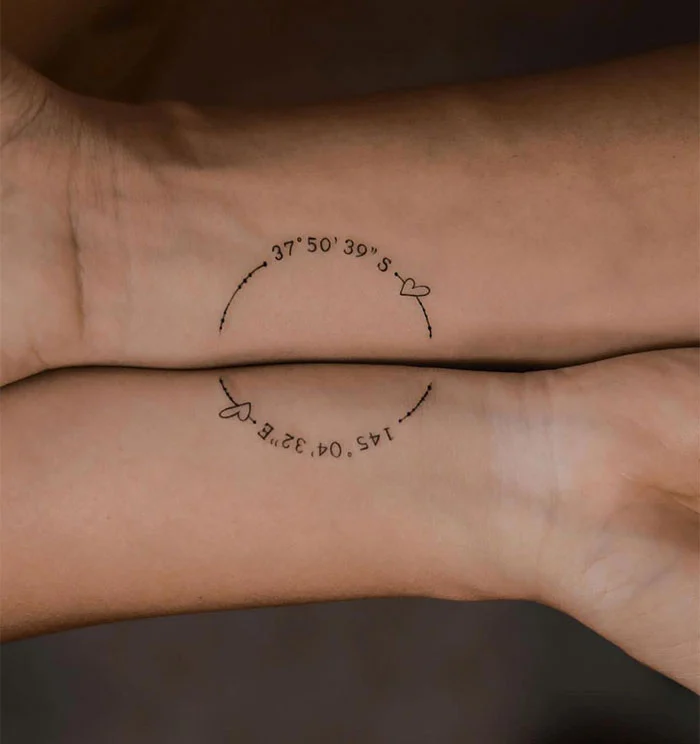
Thin black numbers circle the inner wrist and end with two tiny hearts. Coordinates point to a place that matters, like a hometown, the spot where you met, or where a child was born, and only people who know the code can read them. Script this small needs clean spacing between digits, so the artist usually tests the stencil on your skin first. A lot of people choose it for the private meaning, not a loud look.
A Single Fine Line Rose
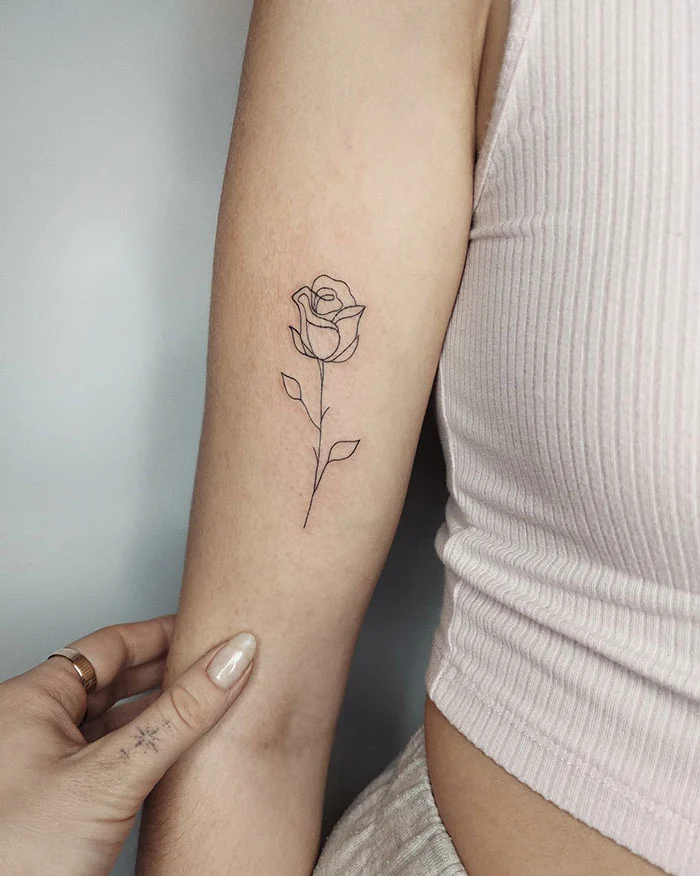
One long-stemmed rose follows the curve of the inner forearm in delicate linework. The rose has stood for love for centuries, and the thorns remind people that beauty can sting a little. A single bloom stays easy to read at a small size because there are no extra petals to crowd the stem. This idea works for anyone who wants a classic symbol in its simplest form, whether it honors a person, a relationship, or a hard season that ended well.
Mountain, Wave and Arrow Finger Symbols
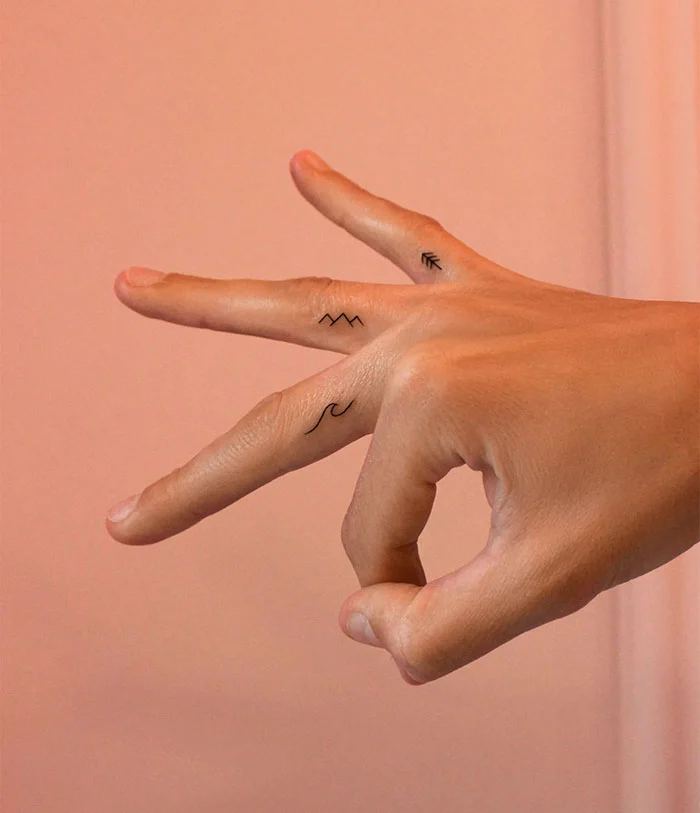
Three tiny symbols sit along the fingers: a mountain, a wave and an arrow. Together they point to travel, freedom and moving forward, so they appeal to people who love the outdoors or just finished a big life change. Fingers heal and wear differently from other spots, since they get washed and bent all day, and ink there often fades faster. If you love this look, plan on a touch-up and keep the shapes bold and simple.
Two Red Butterflies on the Waist
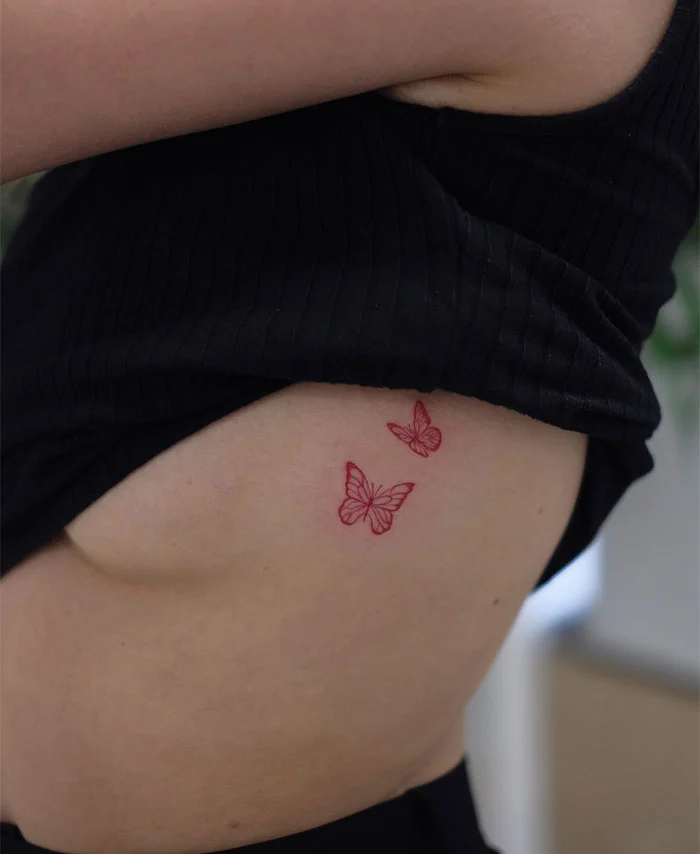
Two slender red butterflies drift apart on the side of the waist, each tilted at its own angle. Butterflies stand for transformation. A pair can mark two stages of life, or two people who changed together. The waist is easy to cover for work and gives the wings room to float. Keep in mind that skin here can shift with weight changes, so a small, well-spaced design ages best.
A Short Quote on the Upper Arm
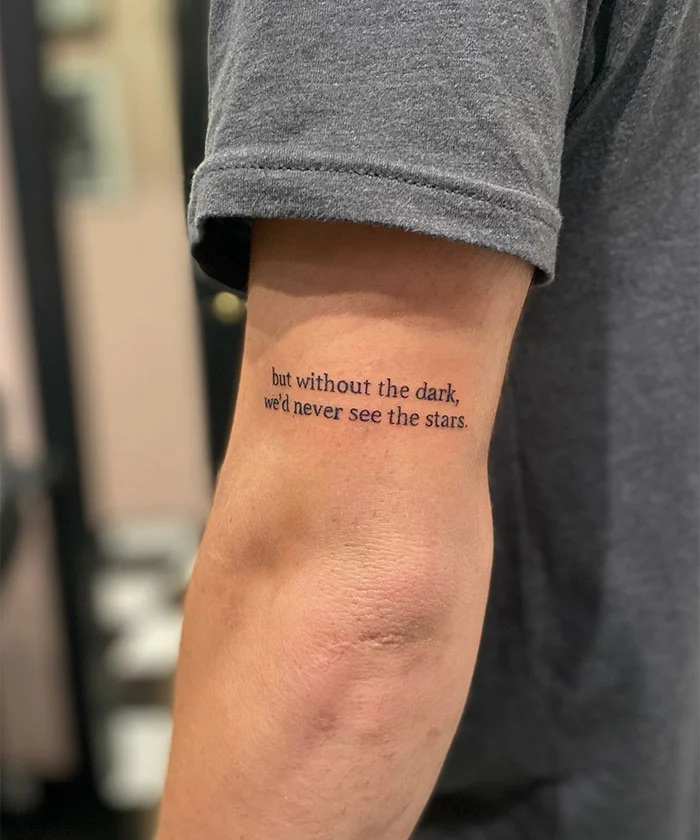
Two lines of simple black serif lettering rest on the inner upper arm, reading “but without the dark, we’d never see the stars.” The words are about hope after hard times, and a short quote like this one can sit quietly under a sleeve. Serif letters hold their shape better than very thin script at a small size. Choose it if you want a personal reminder in your own words, and check the spelling and spacing on the stencil before the session starts.
Choosing a Style for Your Tiny Piece With Holistic Ink
Style changes how a small design looks and how it ages, so it’s worth choosing before you pick the image. At Holistic Ink, black and grey realism, color realism and Japanese irezumi are the three styles our artists work in most. Each one can shrink, but each has a limit, and a good artist will tell you honestly where that limit sits. Here’s a quick comparison to start with.
| Style | How a small piece looks | Best size and placement | How it ages | Best for |
|---|---|---|---|---|
| Black and Grey Realism | Smooth shading, soft contrast, lifelike objects or faces | Palm-sized or larger, on the calf, forearm or upper arm | Holds depth well when the shading isn’t packed too tight | People who want a realistic object, eye or portrait |
| Color Realism | Blended color with gentle gradients | About the size of a large coin or more, on the ankle or forearm | Color softens with sun, so daily sunscreen helps | People who want a lifelike, bright accent |
| Japanese / Irezumi | Bold outlines, clear shapes, a few details | Compact motifs on the forearm or upper arm | Strong outlines stay readable for a long time | People who love traditional symbols |
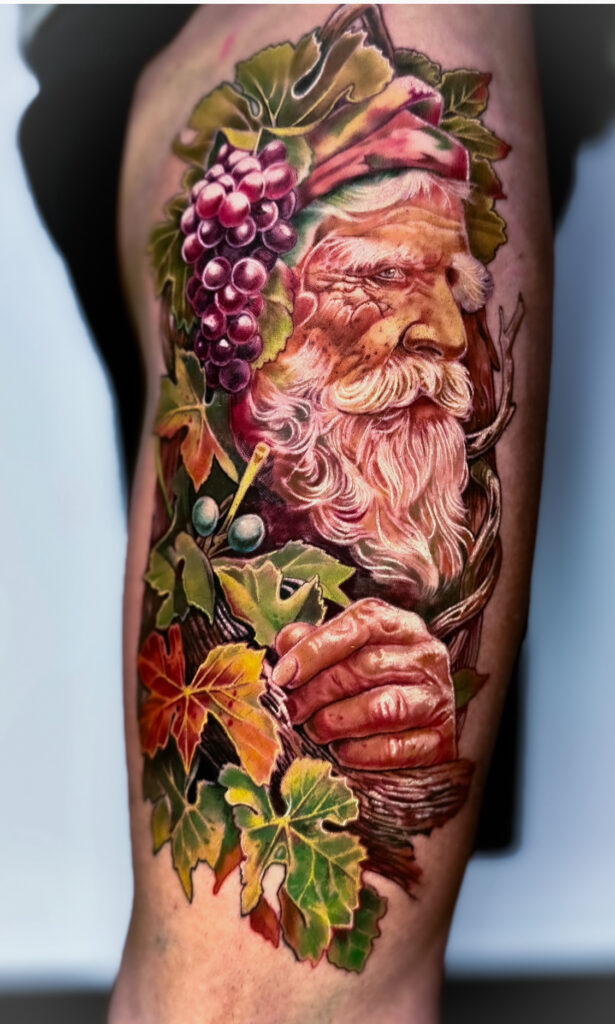
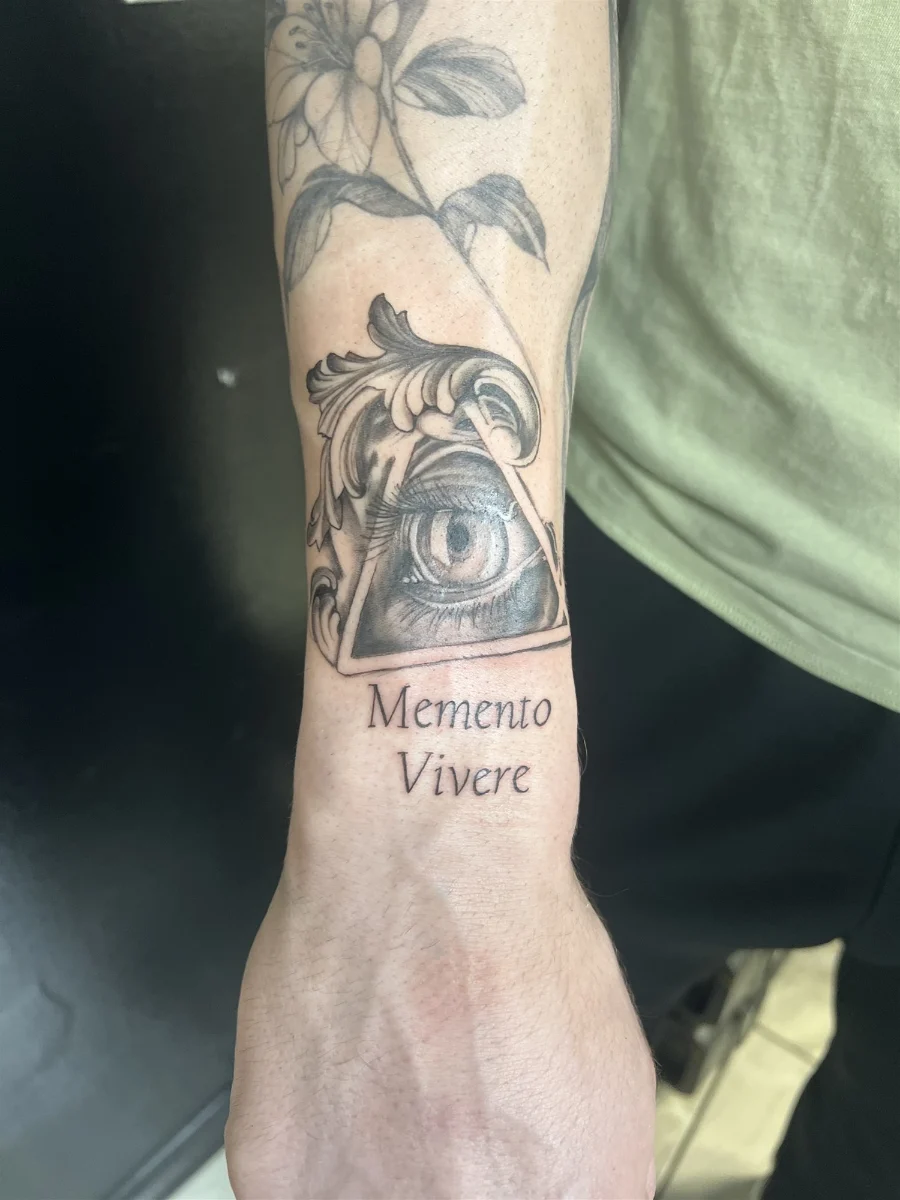
Black and grey realism gets its depth from layered shading, which is why the eye and script piece below reads so clearly on a forearm. The advantage is a lifelike look, and the benefit is a design that still looks rich years later. It’s less ideal at thumb size, since tight shading can fill in.
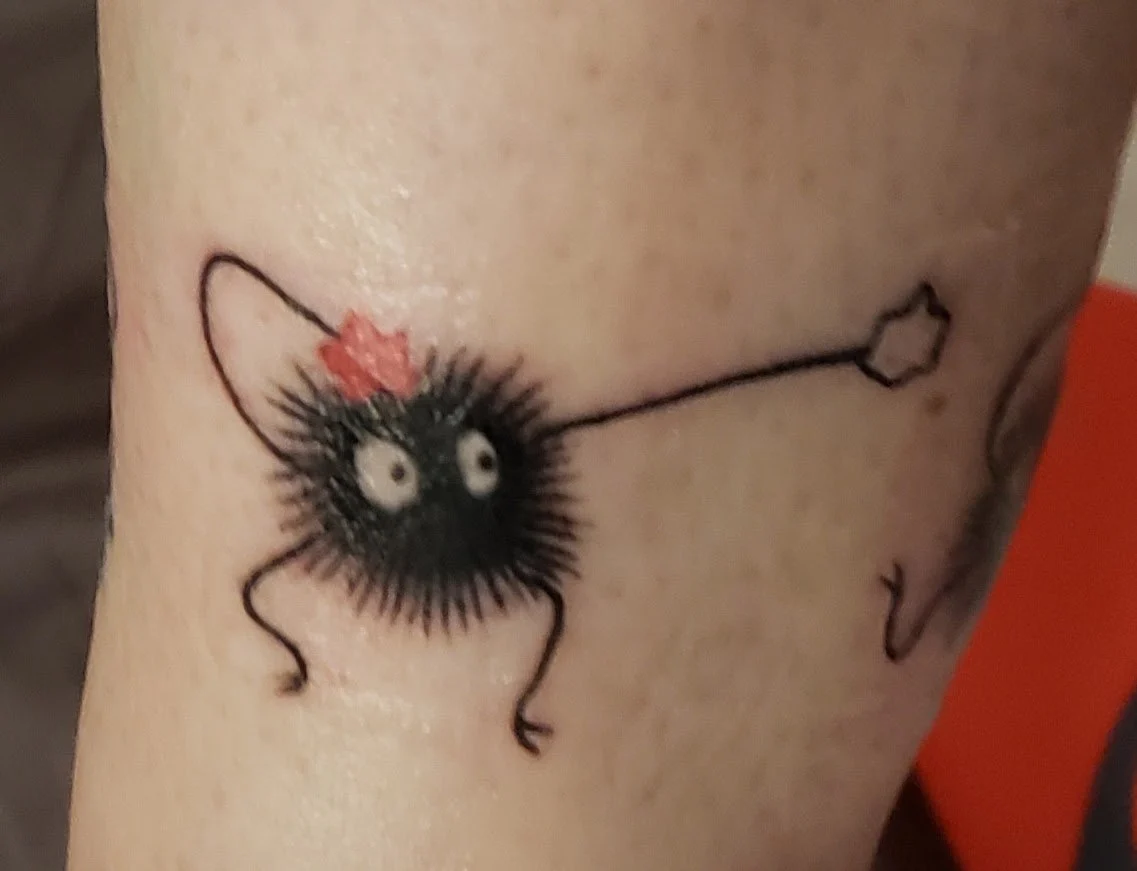
Color realism brings warmth and detail, like the little soot sprite with a red flower on the ankle. Smooth blends give the piece a soft glow, and that glow keeps the eye on a design even when it’s tiny. Colors need a few millimeters of space to blend, so it isn’t the best fit for dense mini scenes, and sun exposure will soften them faster.
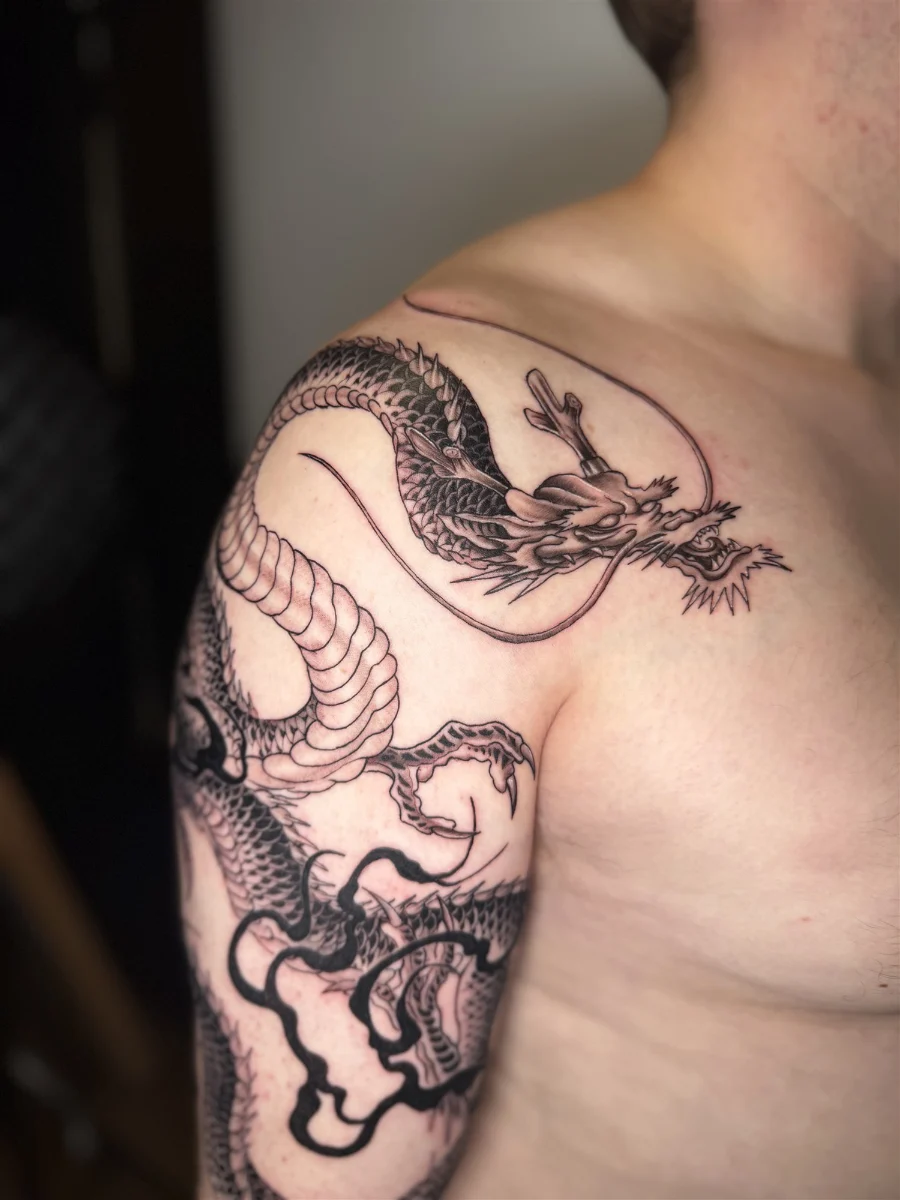
Irezumi leans on strong outlines and clear shapes, so even a compact motif holds together. The black dragon with waves on the upper arm is a bigger piece, but the same bold-outline thinking applies when we shrink a mask or a single flower. What you get is long-term clarity. It’s less ideal if you want very fine, hair-thin detail. For thin script, tiny silhouettes or simple symbols, fine line or minimalist work may fit better, and our artists will say so at the consultation.
Mistakes That Make Tiny Designs Blur and Fade
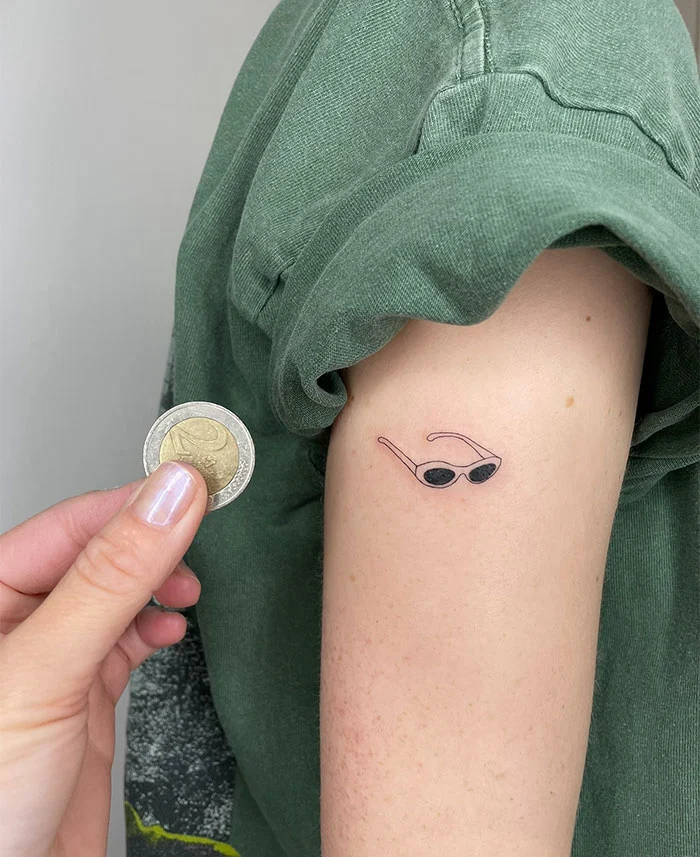
The most common problem with a tiny design is size, not skill. Every tattoo needs a minimum amount of space between lines, and that space depends on how much detail the image has. When lines sit too close, the ink can spread under the skin as it heals. Tattooers call this blowout, and the details merge into a smudge. The tiny sunglasses next to a coin below show how small a clean design can go. They use a few simple shapes with clear gaps. A good rule of thumb is that anything you can’t trace cleanly with a pen at actual size is probably too detailed for ink.
Price follows many of the same factors. Shops set their own minimums, and detail, placement and time in the chair all play a part, so a very small piece isn’t always the cheapest option. Ask for an estimate at a consultation instead of guessing from a number you saw online, because a quote only makes sense once the artist has seen the idea and the spot on your body. At Holistic Ink, we’d rather talk through size and detail first than shrink a design until it fails.
Most blurry results trace back to the same few choices, and they’re easy to spot early. Check this list before you book:
- Don’t shrink a detailed photo down to the size of a coin.
- Avoid hairline gaps between lines, since they can close up as the skin heals.
- Think twice about fingers and the sides of the hands if you want crisp lines for years.
- Don’t choose very light ink for a spot that gets a lot of sun.
- Ask about touch-ups before the session, because tiny pieces sometimes need one.
Over the years, even a well-done small piece softens a little. Sun, friction and normal skin renewal all play a part, so sunscreen and an occasional touch-up keep the lines sharp. Bold, simple shapes age better than tiny ornate ones, so if you’re torn between two versions of the same idea, the simpler one usually wins. It’s worth asking your artist to show you both sizes on the stencil before you decide.
Best Body Areas for a Compact Design
Where you put a small design matters as much as the design itself. Some areas hold fine lines well, while others stretch, rub or get washed all day, and those can blur faster, which is why the artists at Holistic Ink match each idea to the right spot before drawing anything. Think about how often you want to show it, too. The inner wrist and ankle are easy to see, and the upper arm and waist are easy to cover. Below, a table compares the areas people ask about most, with a design idea and a style that tends to fit each one.
| Area | Pain level | Small design that fits | Style that suits |
|---|---|---|---|
| Inner wrist | Moderate | Coordinates ring, tiny symbol | Fine line |
| Ankle | Moderate | Thin flower, small butterfly | Fine line or color realism |
| Behind the ear and neck | Moderate | Short word, tiny moon | Script, minimalist |
| Fingers | High | Simple symbols | Minimalist, bold lines |
| Forearm | Low | Rose, mask, short quote | Fine line, black and grey, irezumi |
| Inner upper arm | Low | Two-line quote, small animal | Lettering, fine line |
| Ribs and waist | High | Butterflies, slim florals | Fine line, color realism |
Pain varies by person, so treat the levels above as general guidance. Bony areas like the ankle, ribs and fingers tend to feel sharper, while the outer forearm and upper arm are usually easier for a first piece. Your artist can tell you what to expect on the day. If you’re nervous, a short, simple piece on the forearm is a gentle way to find out how you feel about the process.
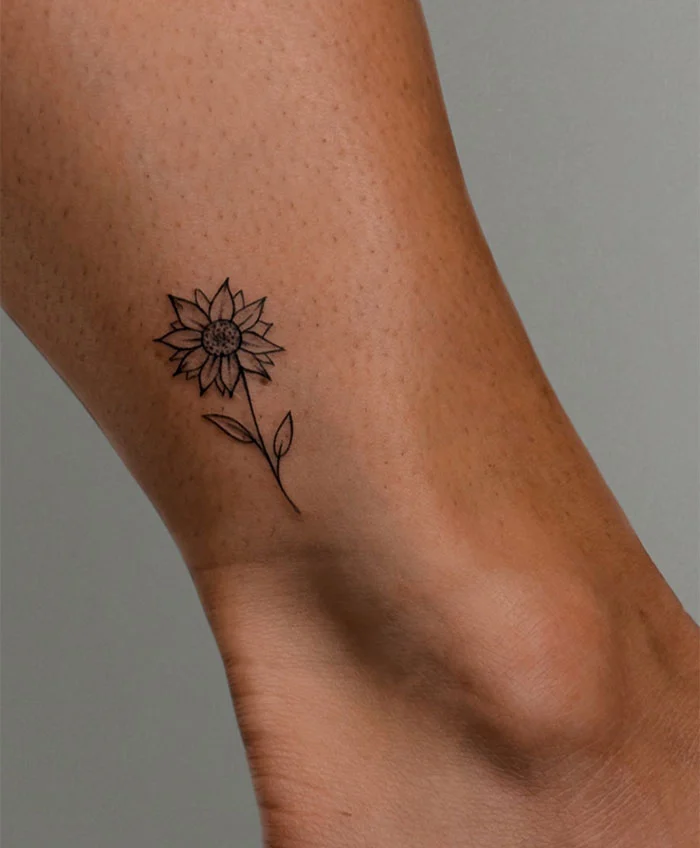
A thin sunflower like the one below works on the ankle, since the shape follows the bone. Lines here should stay a little bolder than on the forearm, because socks and shoes rub the skin.
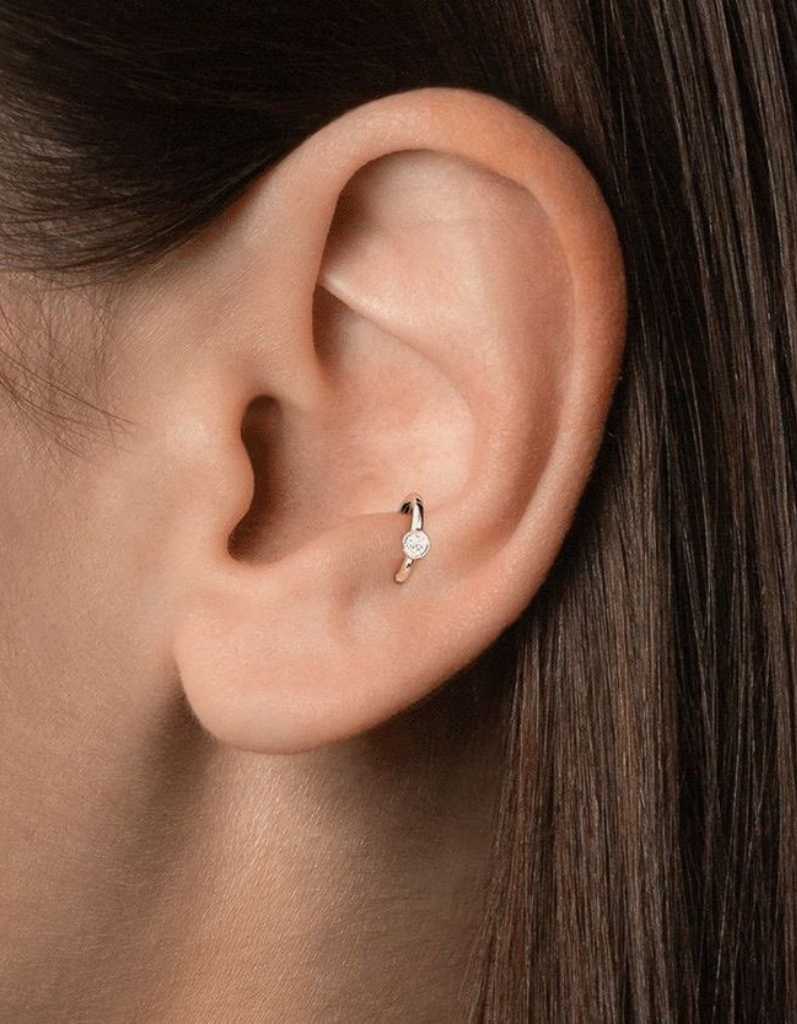
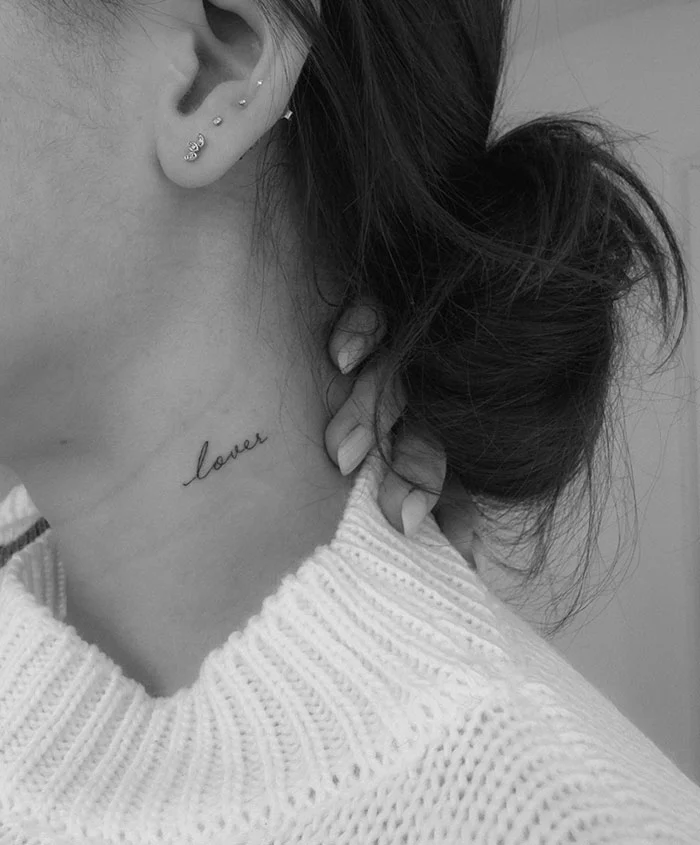
Behind the ear and along the neck, a short word in handwriting can look personal and quiet, like the “lover” script below. Skin on the neck moves a lot, so keep letters simple and well spaced, and expect that lines here may need a light touch-up after healing.
From Consultation to Healed Ink, Step by Step
A tiny tattoo follows the same steps as a large one, and each step gives you something concrete. At the consultation, you and the artist settle size, placement and how much detail the idea can handle, and you leave knowing whether to simplify. Next comes the stencil, a printed outline placed on your skin. This is the moment to check spelling, spacing and angle, so move it, resize it or ask for changes until it feels right. A stencil can be redrawn as many times as it takes, and it’s far easier to fix now than after the needle starts.
The session itself is usually short for a compact piece, though setup takes time, so ask your artist for a realistic window and plan the rest of your day around it. Afterward, your artist bandages the area and shows you how to wash and dry it. At Holistic Ink, we walk through the full aftercare plan before you leave the chair, and we’re happy to repeat any step.
Aftercare starts the moment you walk out, and the first two weeks matter most. Keep this list handy while your skin heals:
- Wash the tattoo gently and pat it dry the way your artist showed you.
- Apply a thin layer of unscented moisturizer, not a thick coat.
- Wear loose clothing over the area.
- Stay out of pools, hot tubs and the ocean until it’s fully healed.
- Don’t pick or scratch the flaking skin, since that can pull ink out.
- When it itches, tap the skin lightly instead of scratching.
Most tattoos settle over about three months, though timing varies from person to person. The timeline below shows each stage, including the normal signs and the red flags that mean it’s time to get it checked.
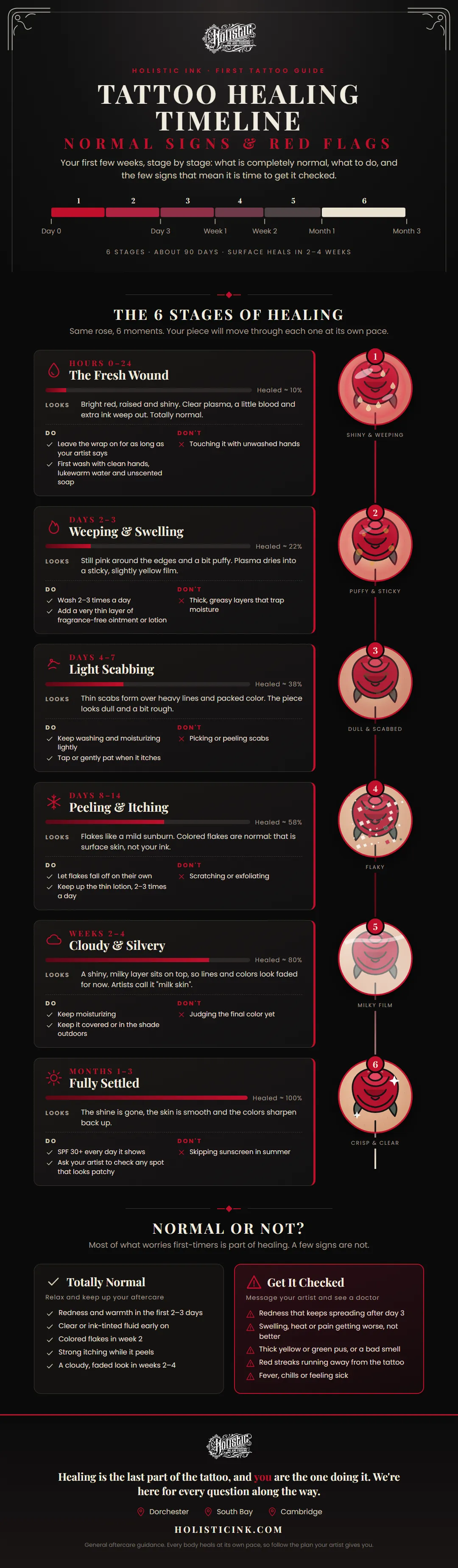
After it heals, protect it. Sunscreen once the skin has fully closed, moisturizer in dry months and a touch-up when lines look thin will keep a compact design readable for years.
Frequently Asked Questions
How small is a $50 tattoo?
There’s no fixed size, because every shop sets its own minimum charge, and detail, placement and time all change the price. Simple symbols can fit within a minimum. More detailed designs often cost more, even when they’re tiny. Ask for an estimate at a consultation so you get a clear answer for your idea.
What does a 3 dots tattoo mean?
Three dots can mean different things depending on the wearer and the culture behind them. Some people read them as past, present and future, others as mind, body and spirit, and others tie them to a personal story. Because the meaning is so personal, decide what yours stands for before you book.
Do tiny tattoos hurt less than big ones?
A tiny piece is over faster, so the discomfort is shorter, but the pain level depends mostly on the area. Ribs, fingers and ankles usually feel sharper than the forearm. Tell your artist how you’re feeling, and take breaks if you need them.
Can a small tattoo be done in realism?
Yes, if the design has enough room for its details. Black and grey and color realism both rely on smooth shading and blends, so a very tiny photo can turn muddy. Your artist may suggest simplifying the image or making it a bit larger before the stencil goes on.
Do tiny tattoos fade faster?
They can, mostly when the lines are very thin or the spot gets a lot of friction and sun, like fingers and hands. Bolder, simpler shapes hold up longer, and a touch-up can sharpen the lines later. Daily sunscreen once the skin has healed helps too.
Book a Consultation for Your Tiny Piece
A small design can say as much as a large one, as these 10 ideas show. Pick the meaning first, then let your artist shape the size, style and placement around it. When you’re ready, book a consultation with Holistic Ink and bring your idea, a few references, and the spot where you’d like to wear it.
Ready for a bigger piece?
Our artists are known for large-scale work in 3 styles. Start with the one that fits your idea:
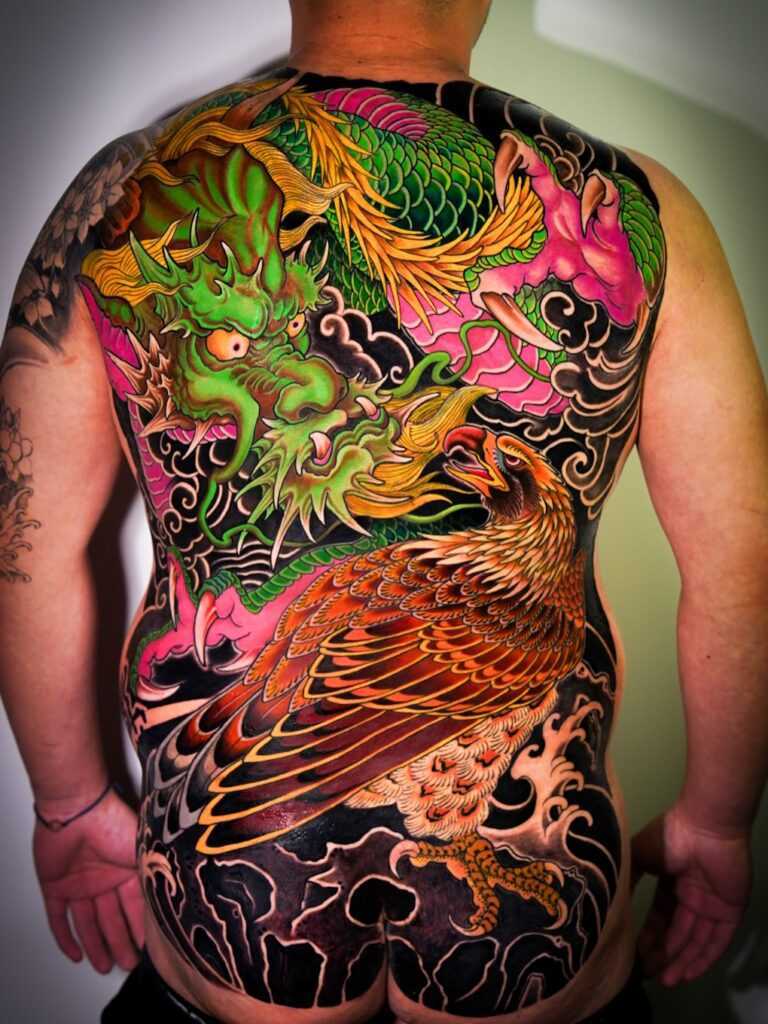 Best matchJapanese IrezumiDragons, koi, deities and full backpieces with traditional flow.
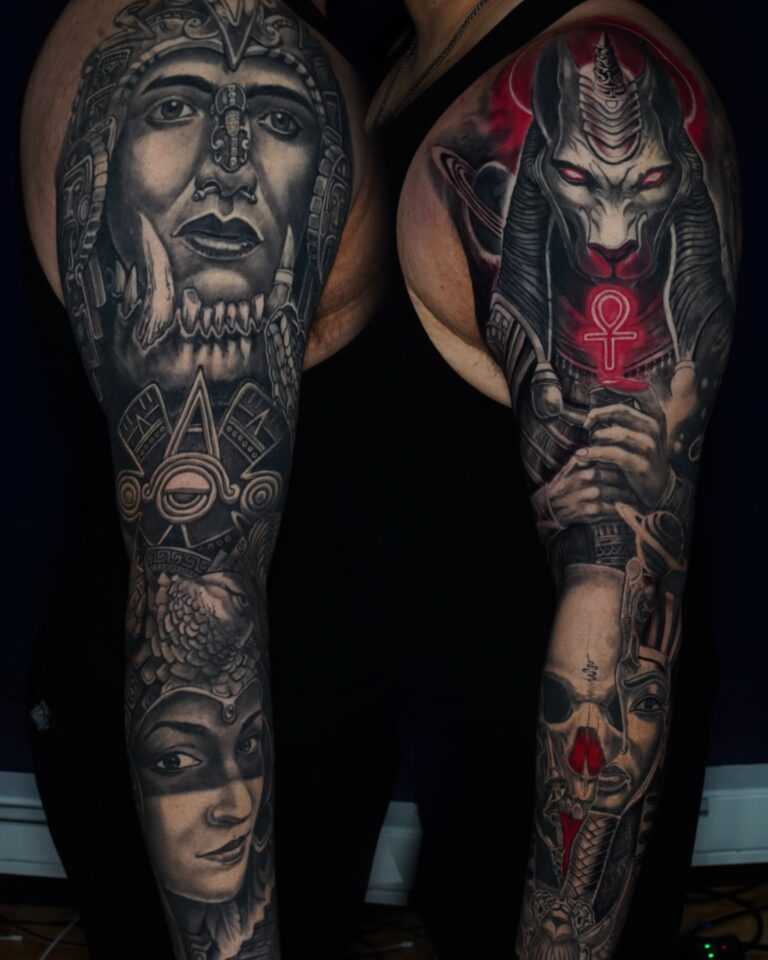 Black & Grey RealismPortraits, animals and sacred art in soft, deep shading.
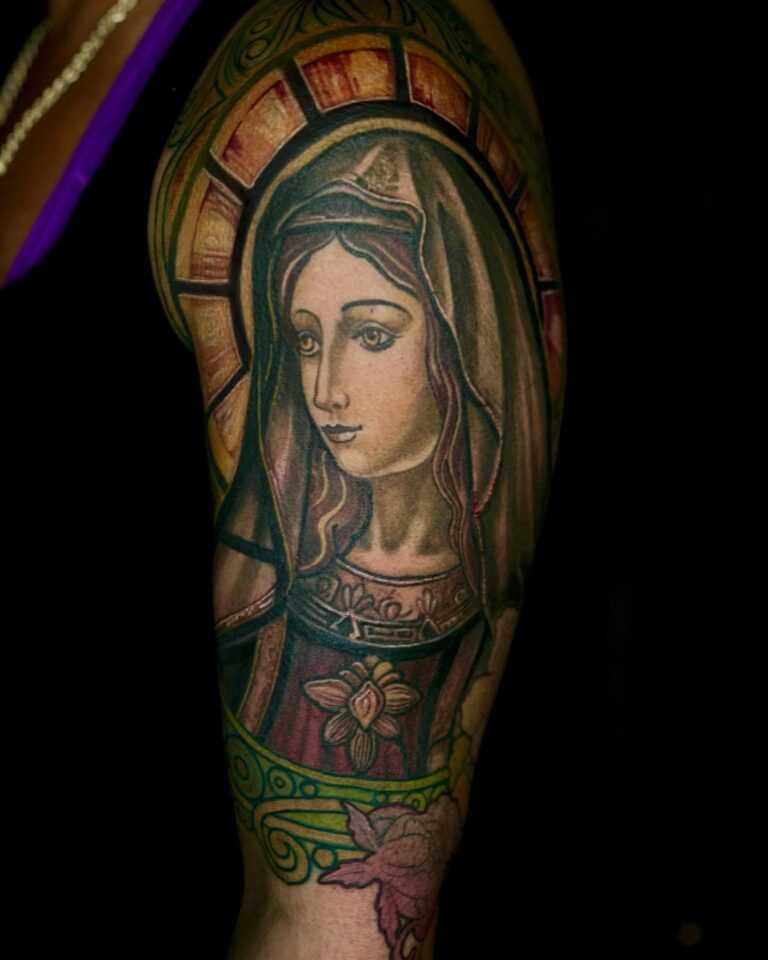 Color RealismSaturated, lifelike color for sleeves and large scenes.Signature project · Japanese IrezumiDragon Backpiece: 66 Hours, 3 Artists, Best of ShowPlacementFull backTime66 hours over 3 daysArtists3 artists, including Vinny NguyenSee the full project →
Bring your reference and placement. We plan large work session by session with you.
We also tattoo American traditional, fine line, script and small tattoos. Browse all styles →