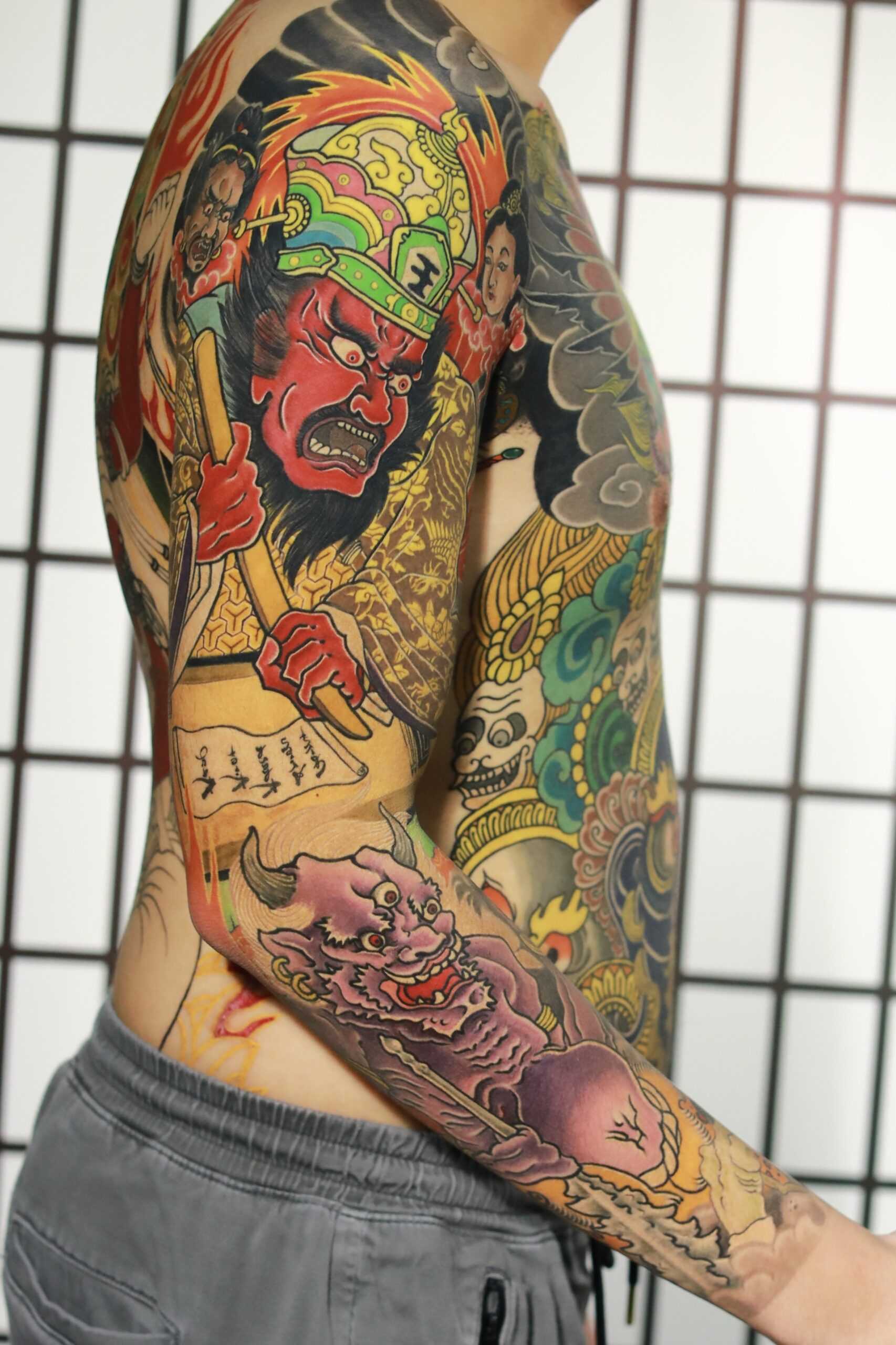
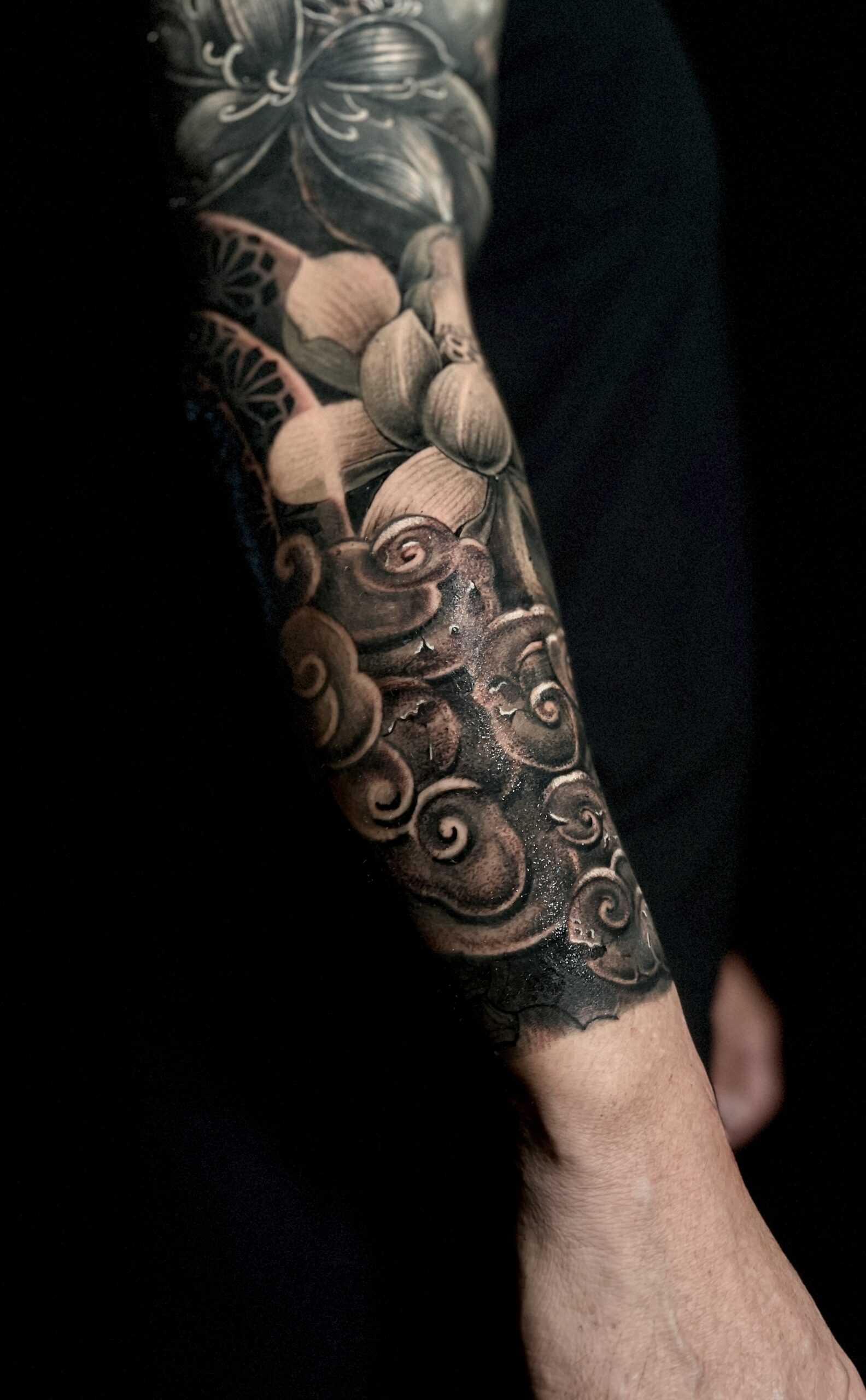
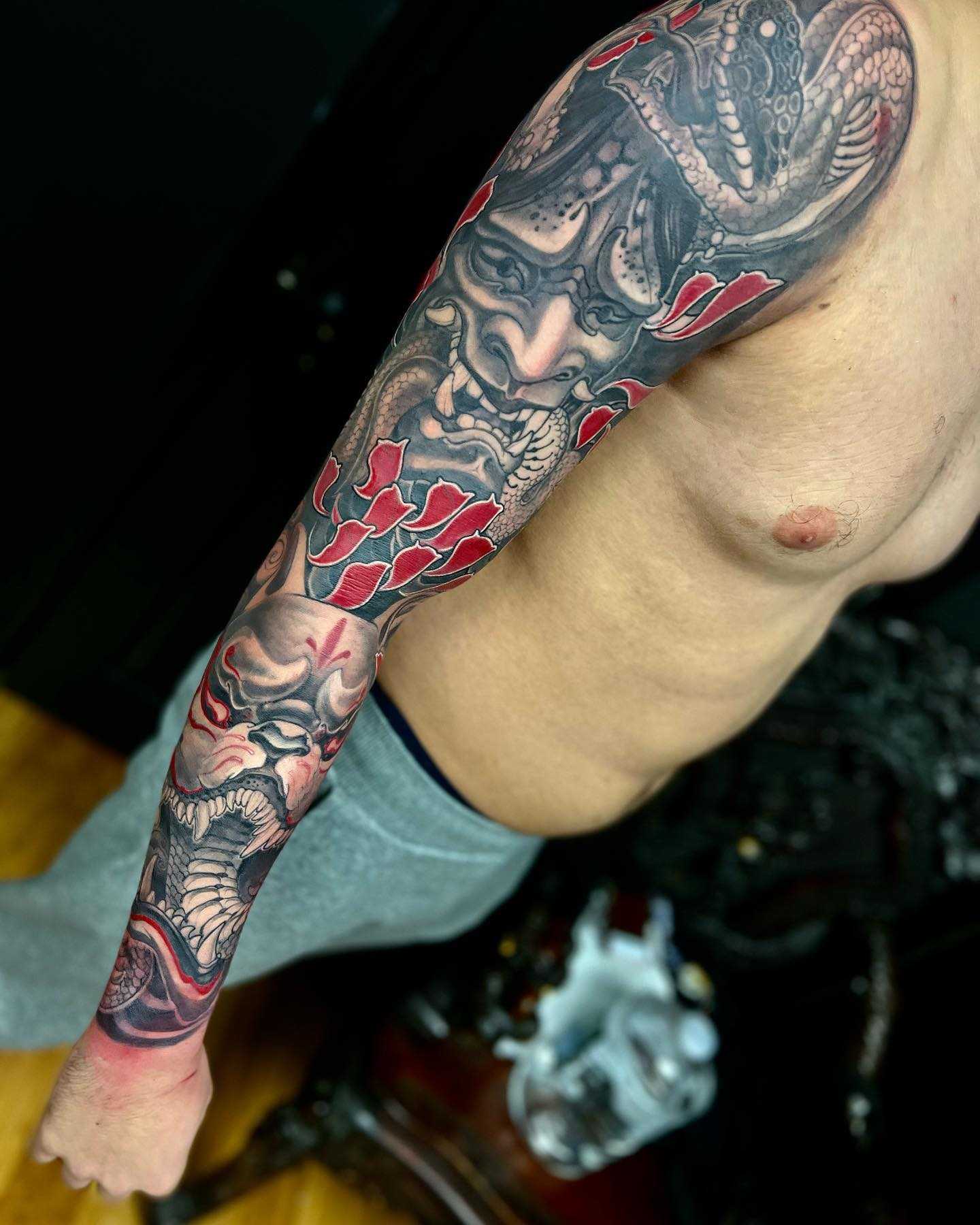
Koi, dragons, tigers, and foo dogs, composed as one flowing piece across the arm, back, or body. Irezumi tradition, refined for Boston, built for the body.
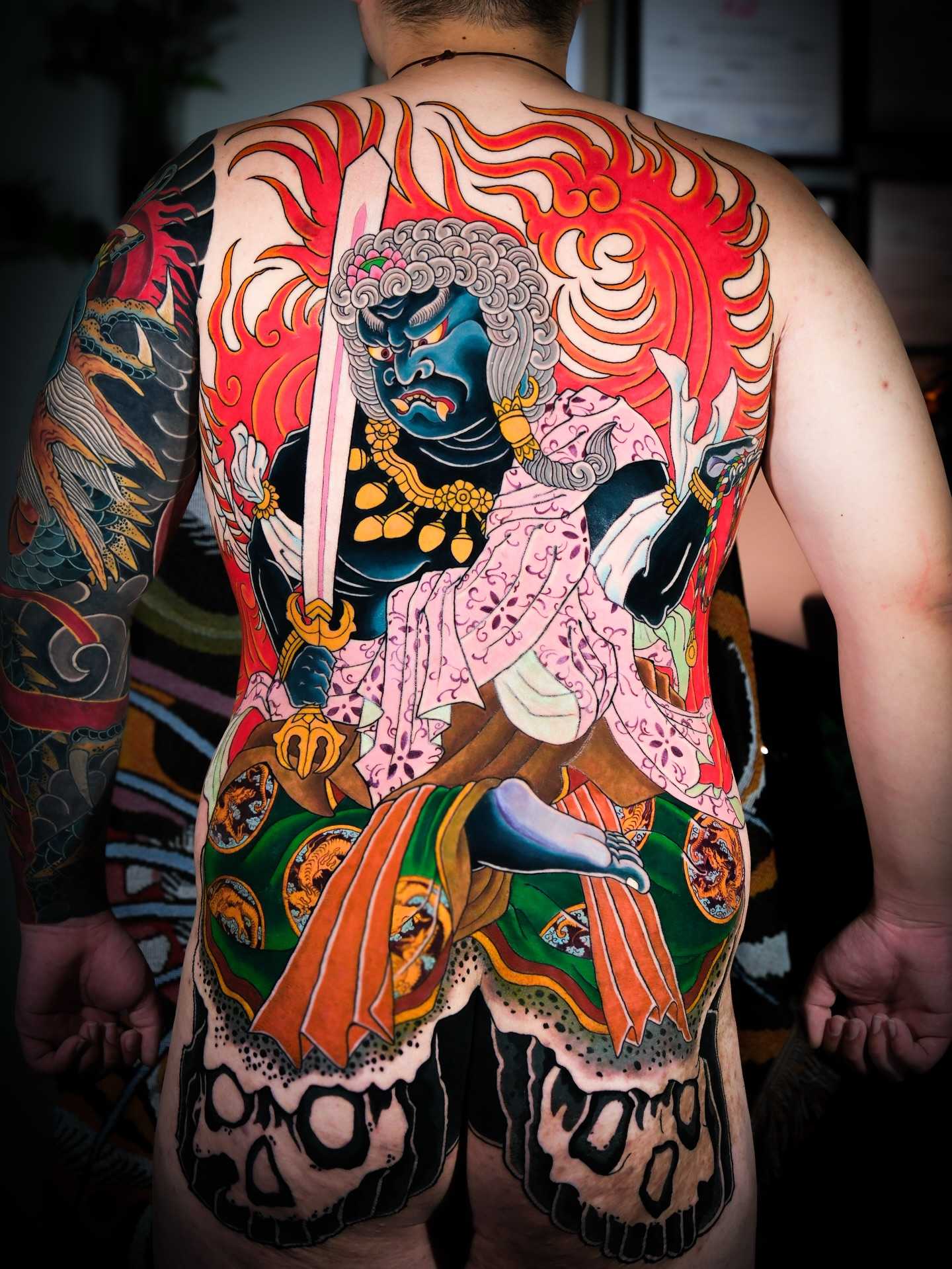
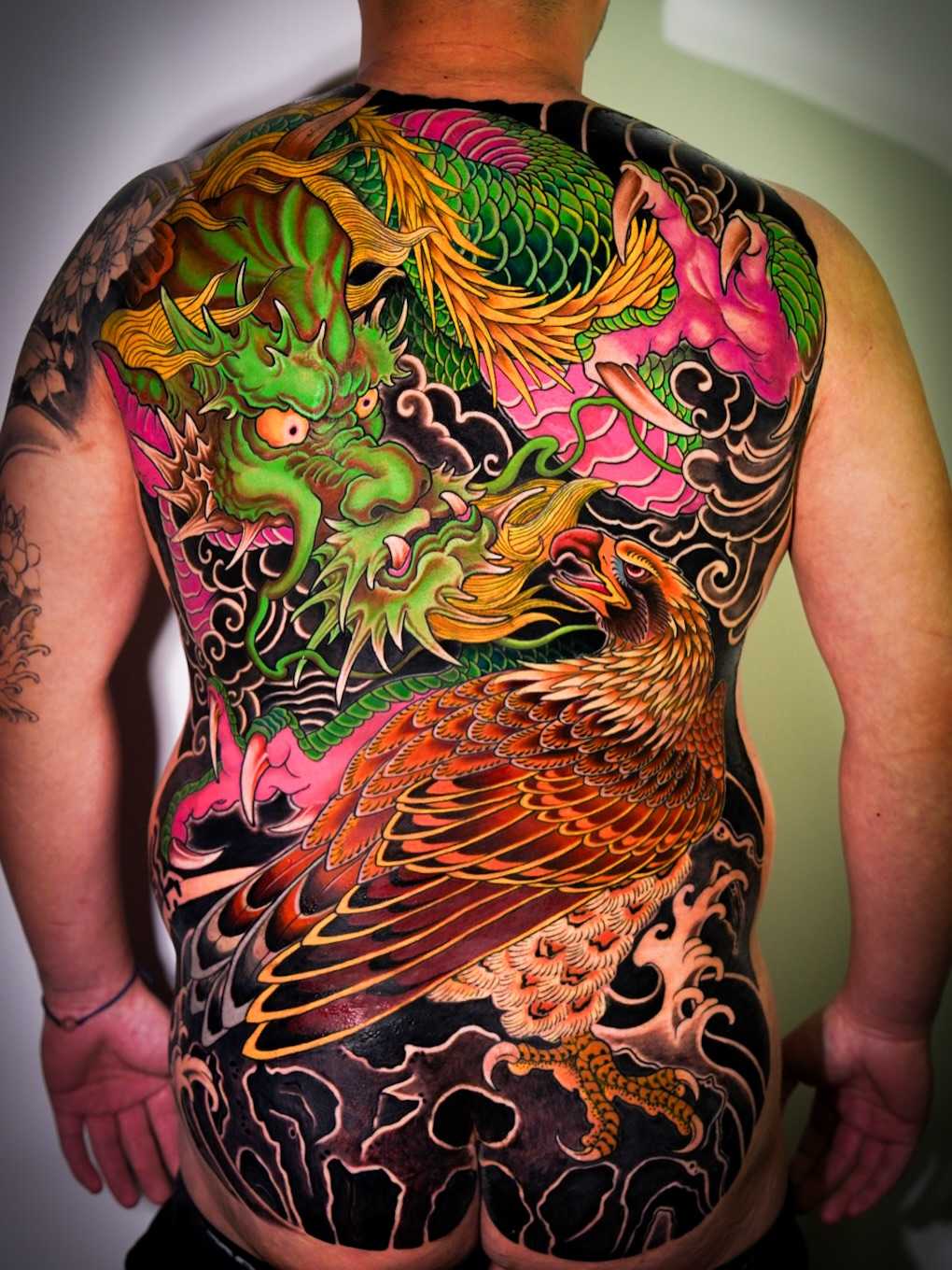
Dragon backpiece: 66 hours over 3 days by 3 Holistic Ink artists.
What is a Japanese irezumi tattoo?
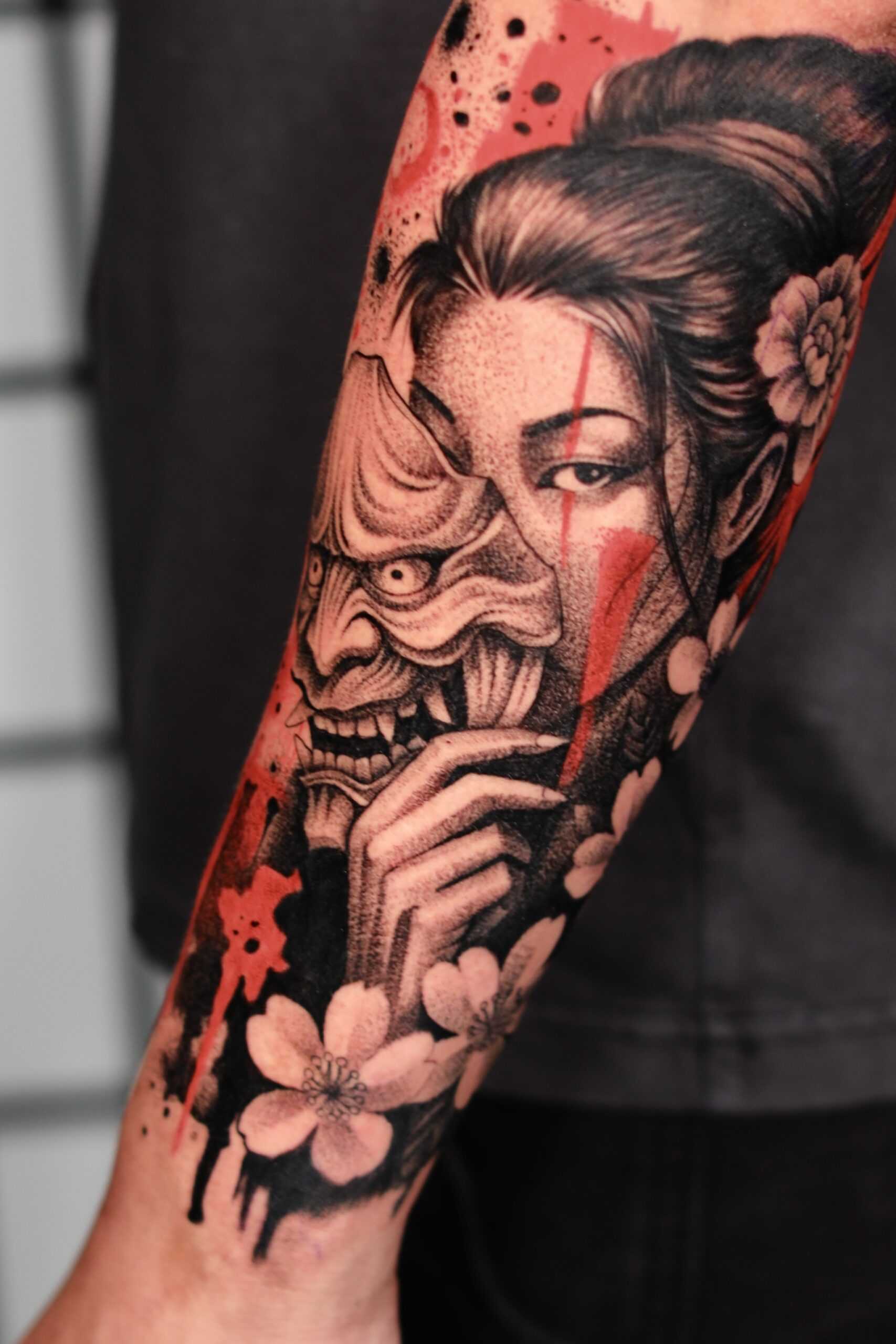
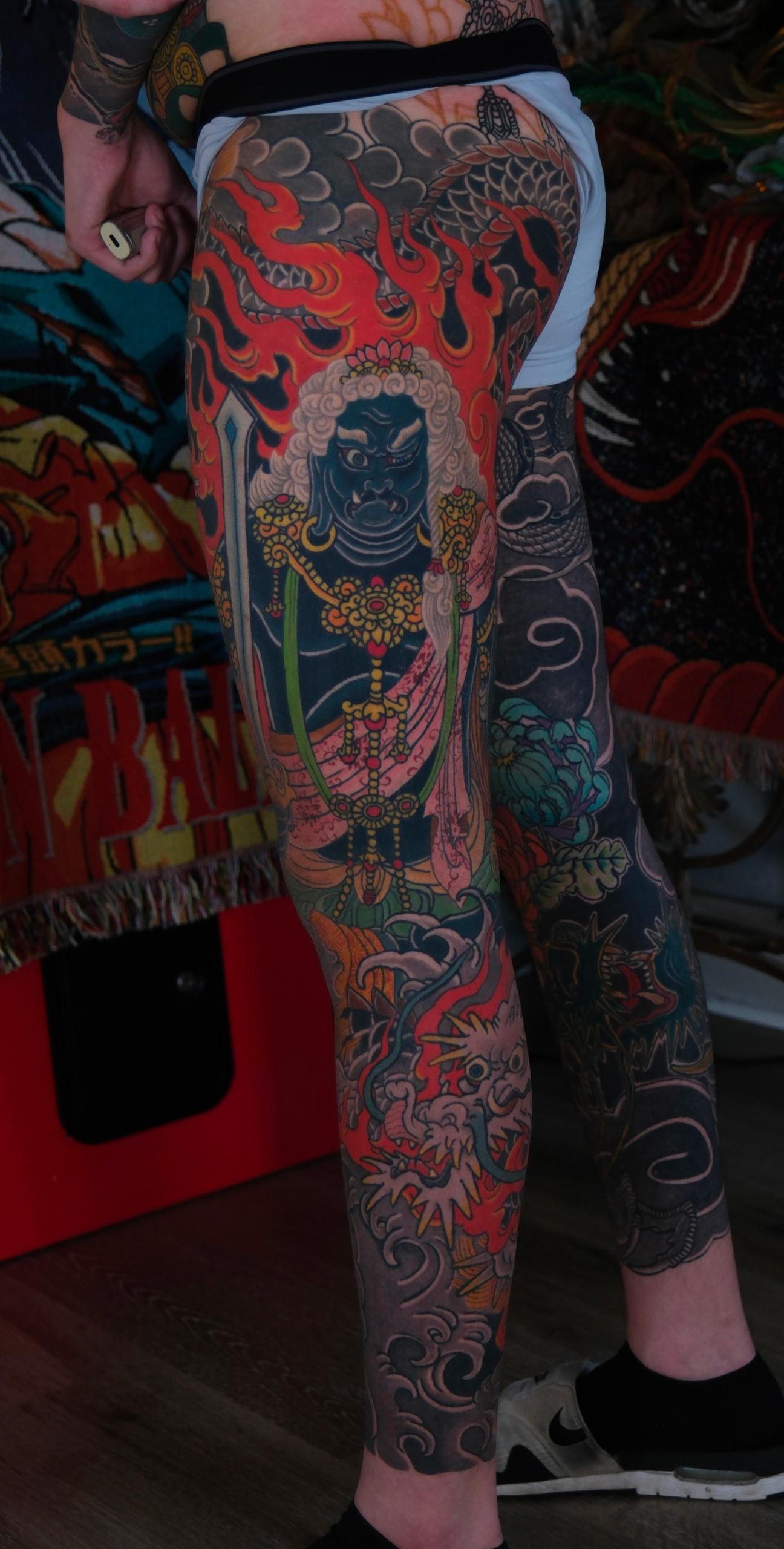
Japanese irezumi is the traditional large-scale tattoo style of Japan: bold outlines, dense black wind bars and waves, and motifs such as koi, dragons, tigers, and hannya masks, composed to follow the muscles of the body. At Holistic Ink in Boston, every Japanese sleeve, backpiece, and bodysuit is drawn for the client’s own body, not copied from a flash sheet.
Irezumi is not a single image placed on skin. The background (water, clouds, wind, or maple leaves) ties every element together, so a sleeve reads as one composition from shoulder to wrist and a backpiece reads as one scene from neck to thigh.
Our artists work in both color and black and grey Oriental, and some pieces combine Japanese composition with realism shading. If you are not sure which direction suits your idea, that is exactly what the free consultation is for.
Your Japanese and Oriental artists
Book directly with the artist whose work matches your vision. Each artist’s portfolio page shows their full range.
Large-scale Japanese work is where Holistic Ink is strongest. These are real client projects from our Boston studios.
Dragon backpiece in three days
A full back finished in one marathon: three artists working in rotation on one design, with the outline, color, and background passed between them without a visible seam.
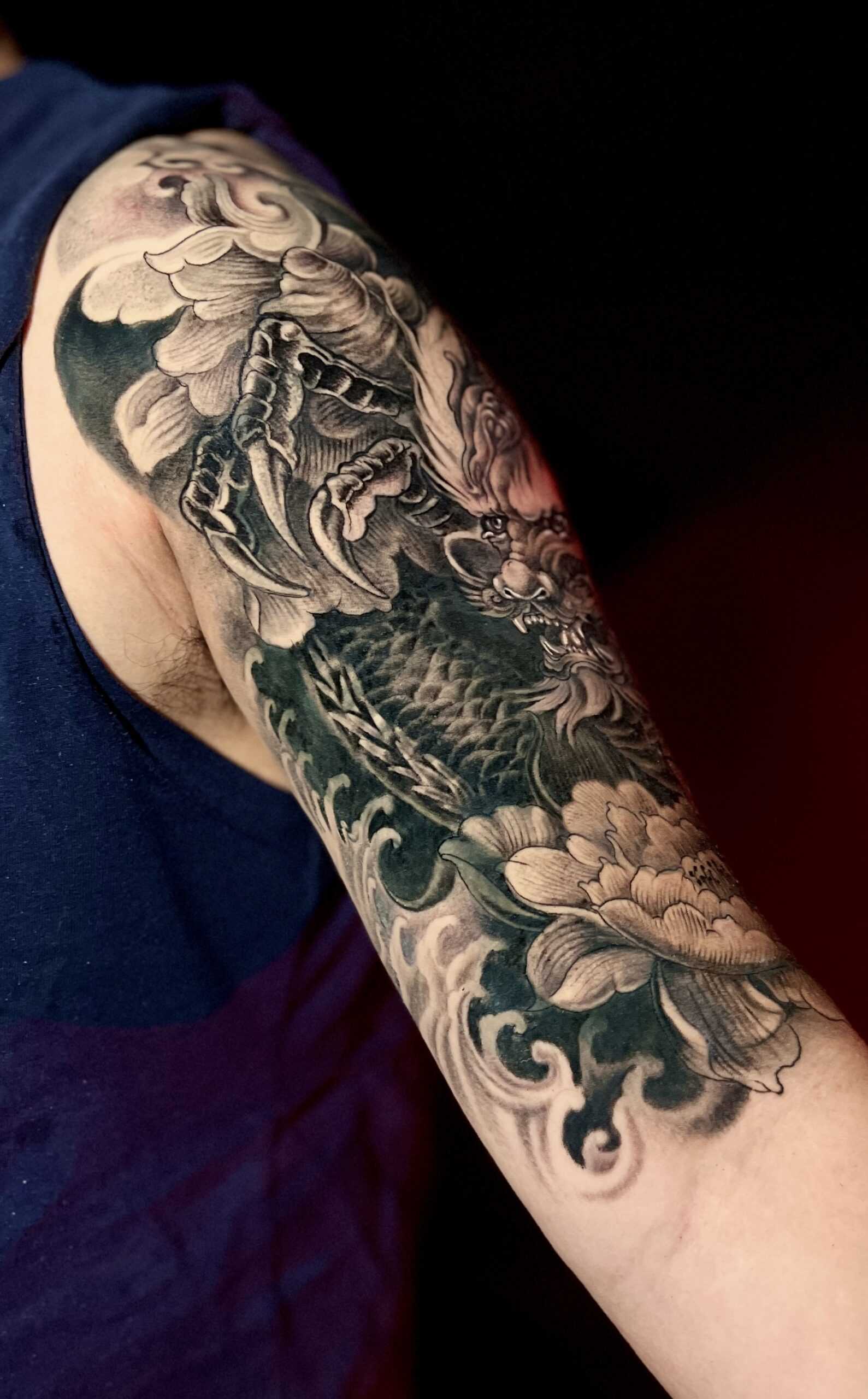
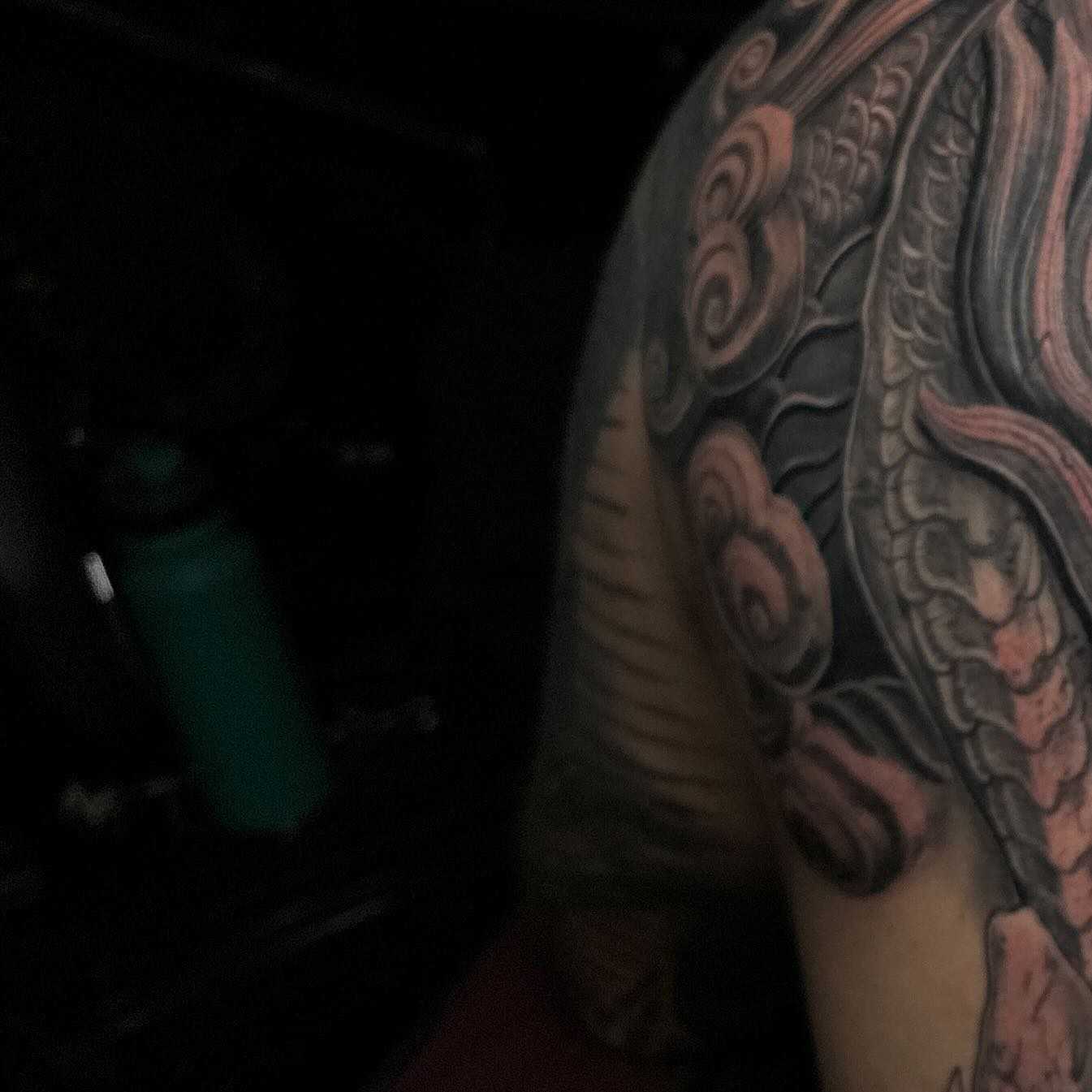
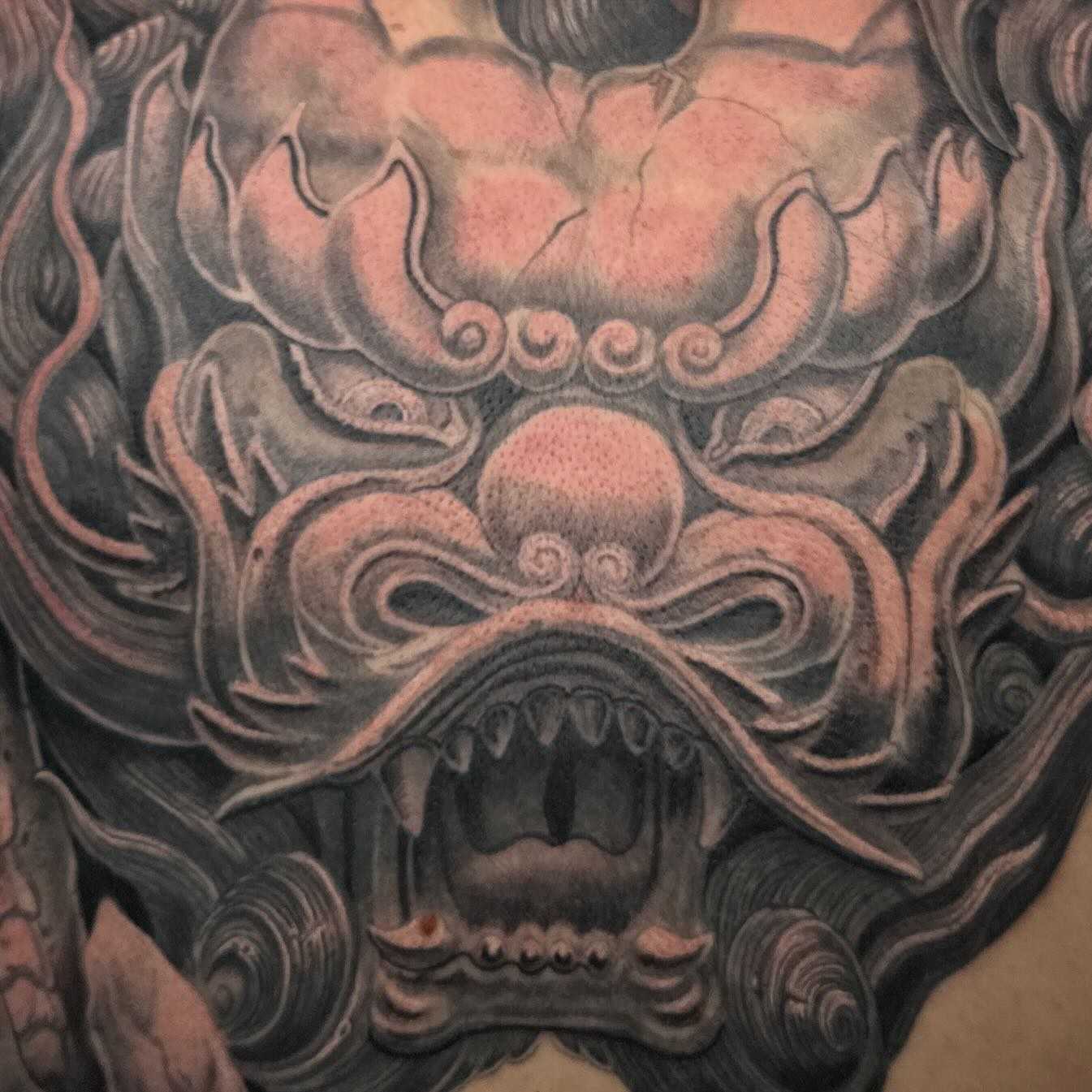
A guardian foo dog carved across the upper back in black and grey, proof that Oriental work does not need color to hit hard.
Placement: upper back
Style: black and grey Oriental
Japanese and Oriental tattoo gallery
Sleeves and backpieces first. Every piece below was tattooed at Holistic Ink.
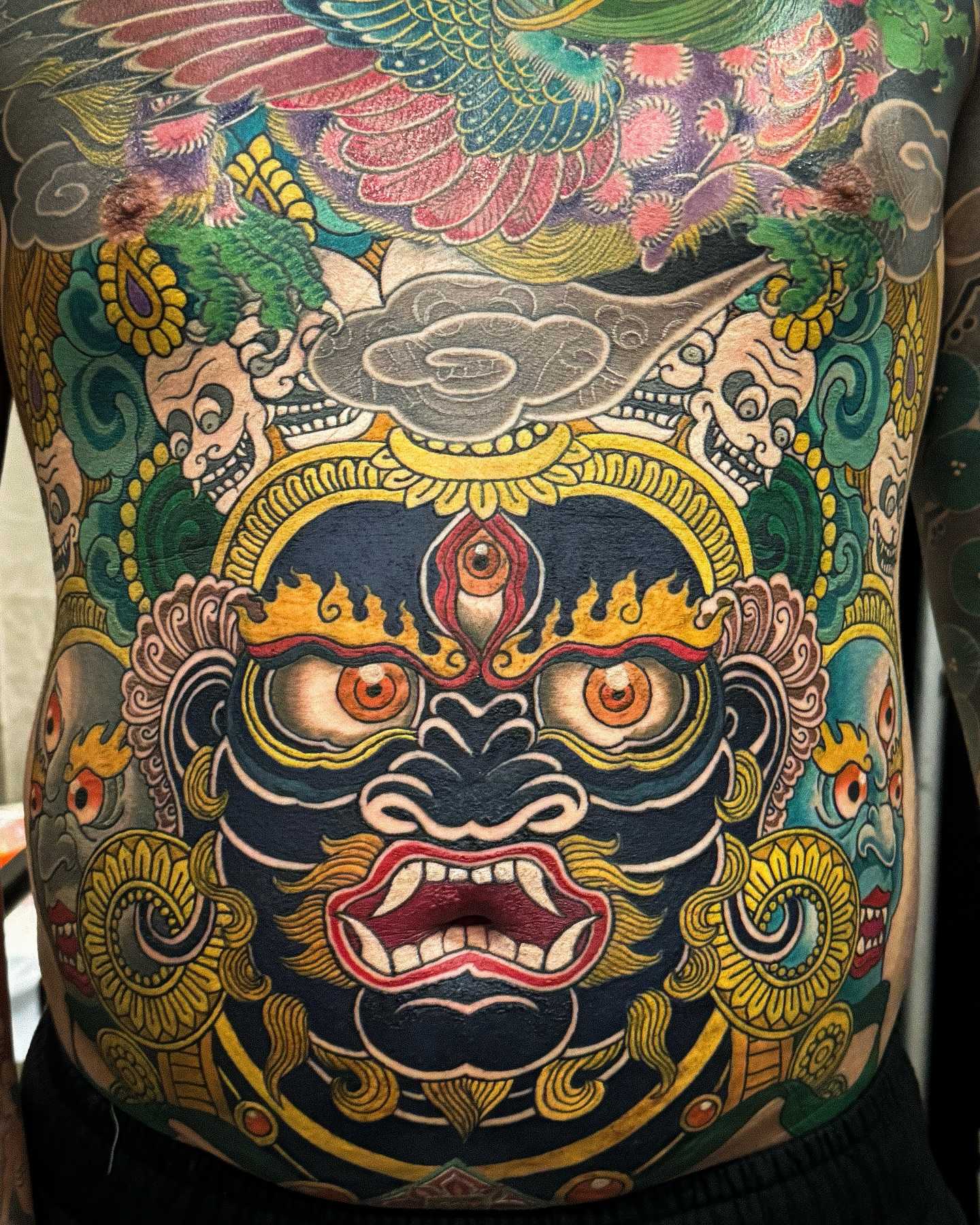
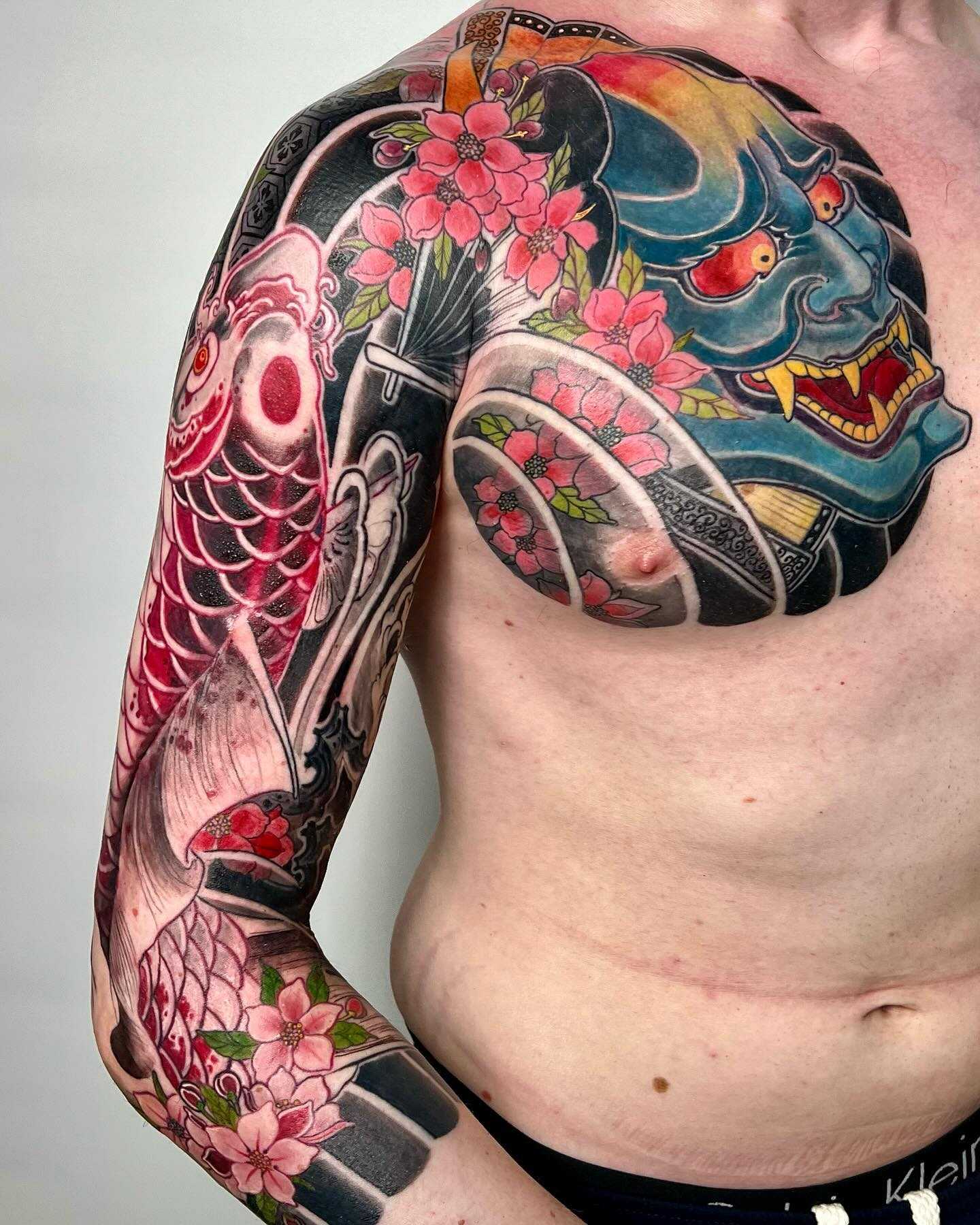
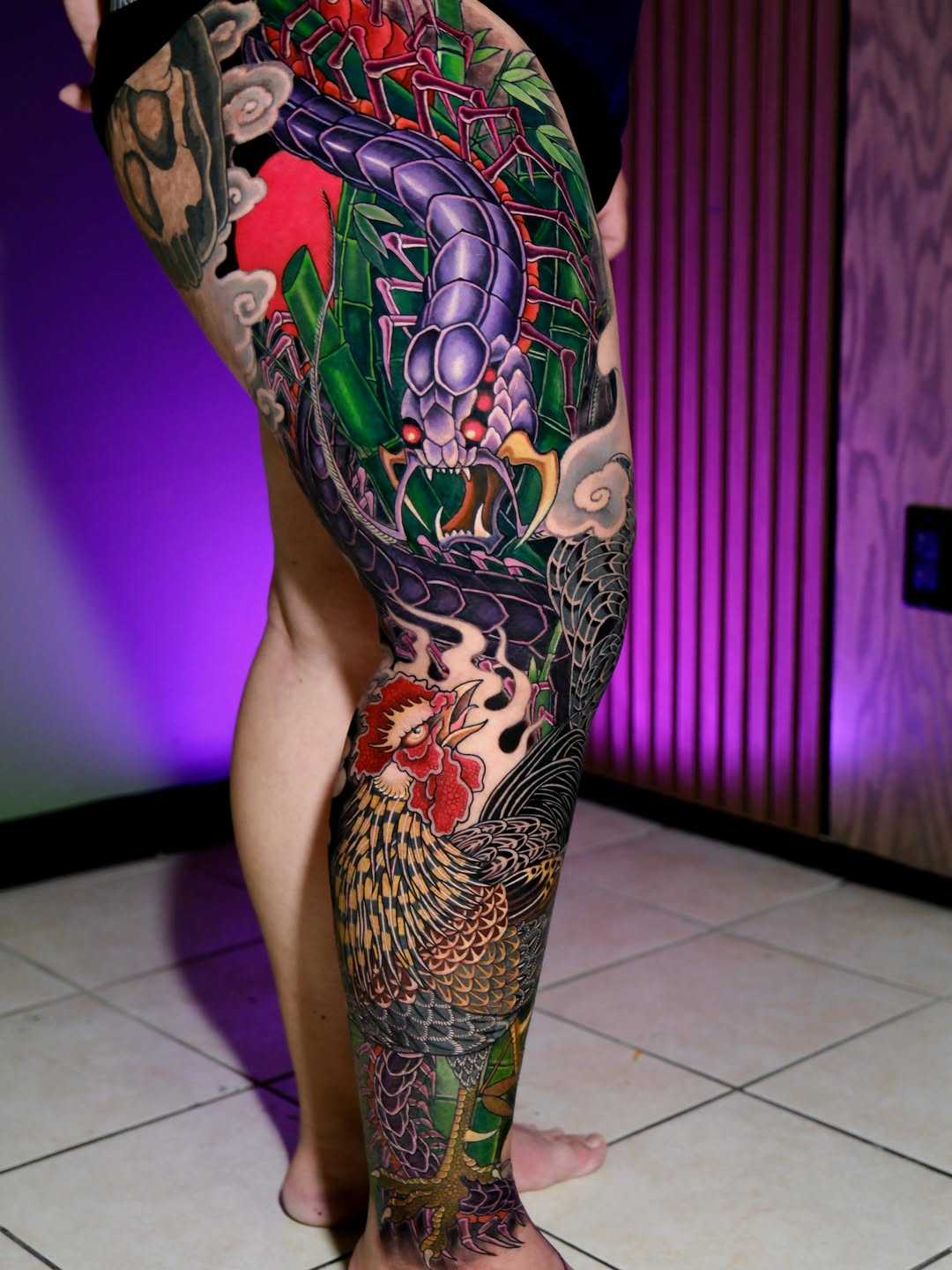
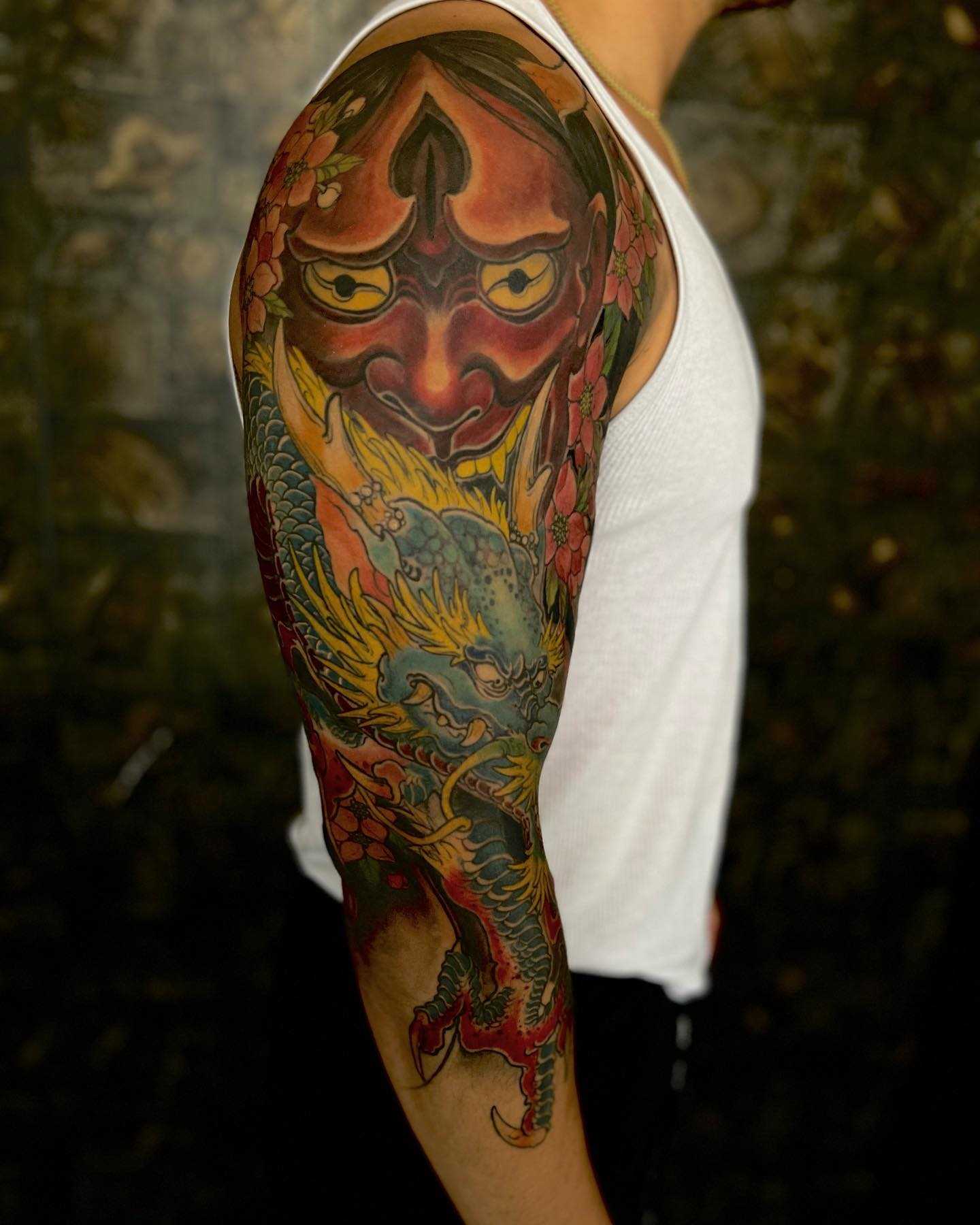
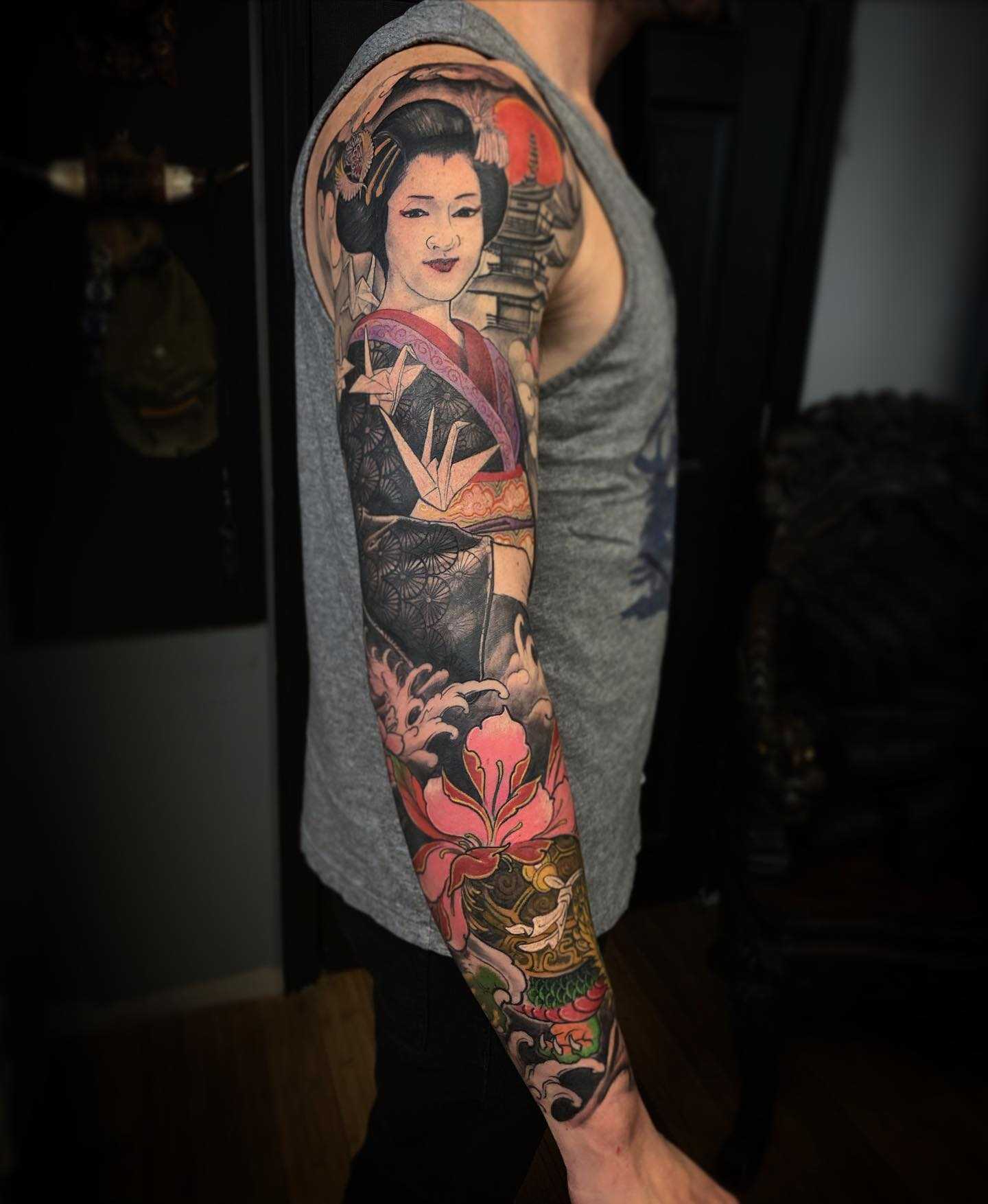
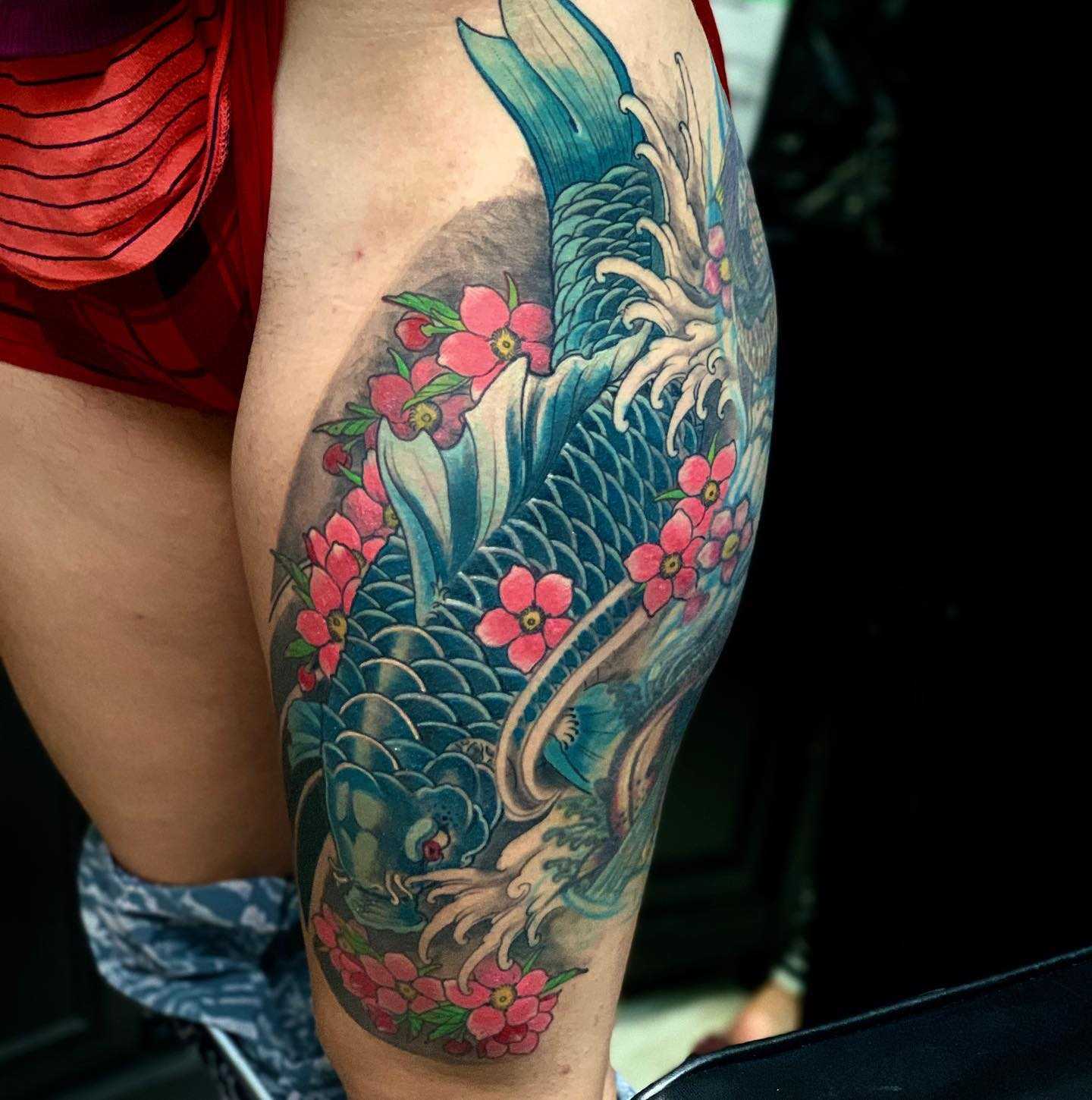
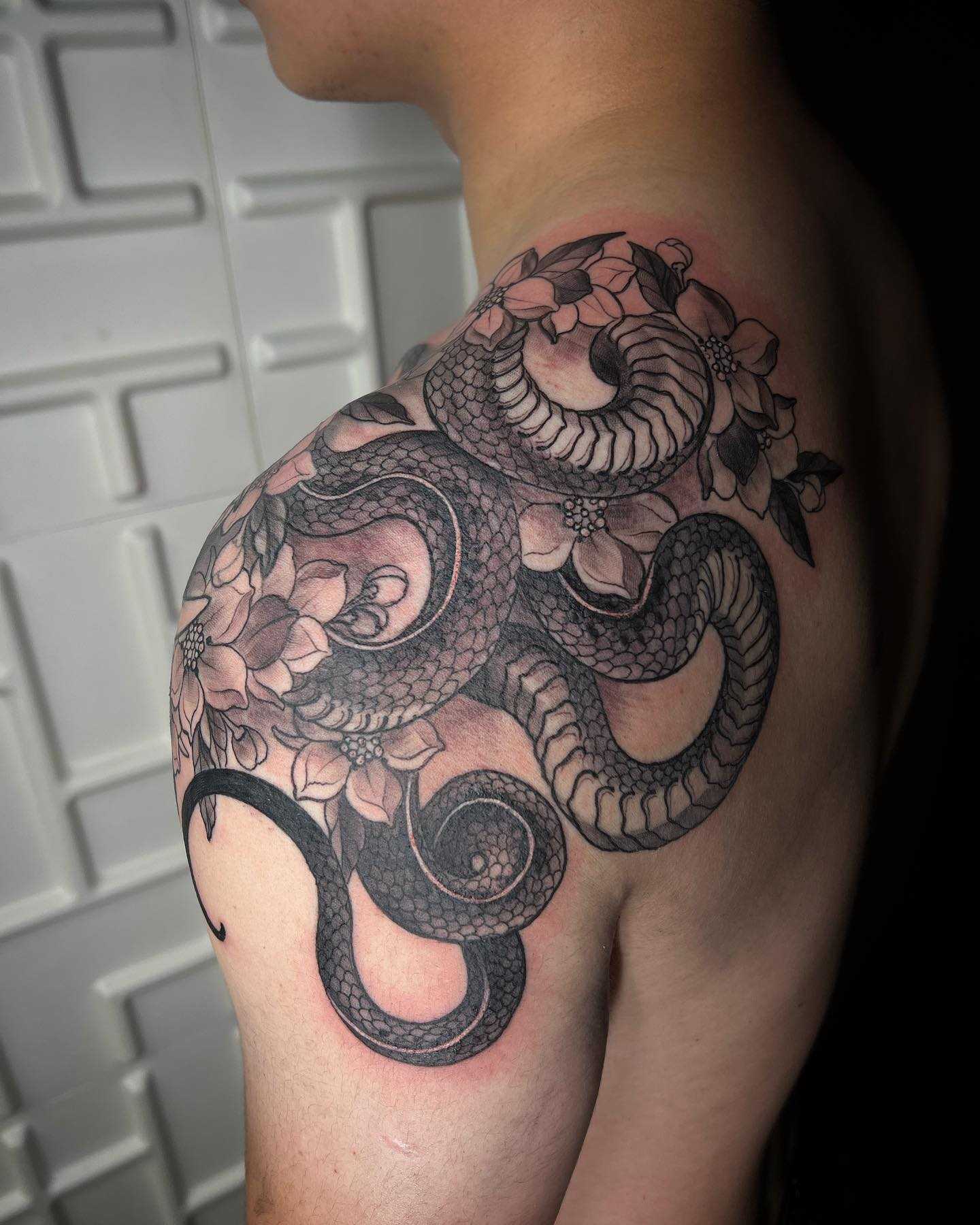
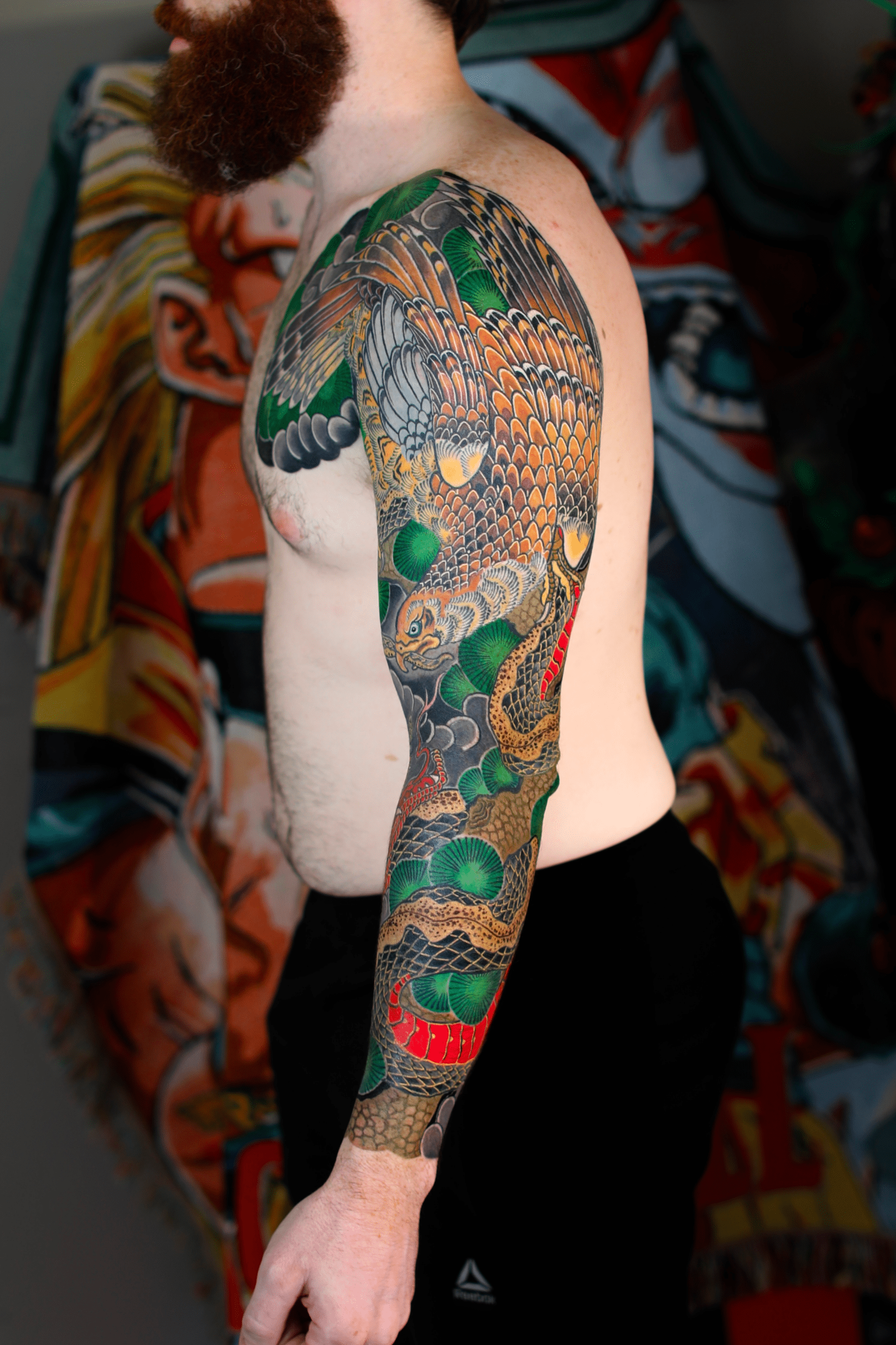
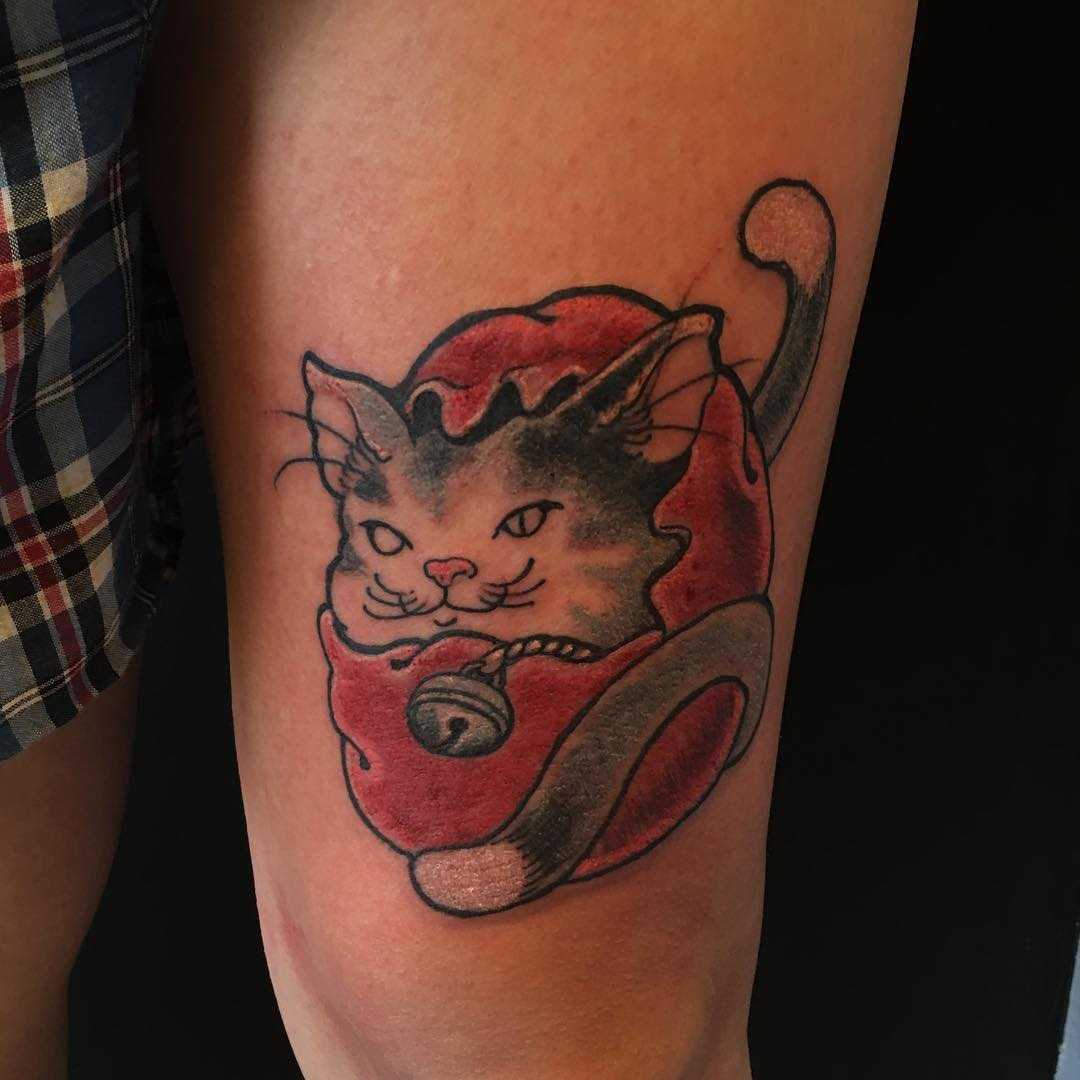
Front torso · MahakalaChest panel and sleeve · Koi and hannyaLeg sleeve · DragonSleeve · HannyaFull sleeve · GeishaThigh · KoiShoulder · SnakeThong Dragon · DragonVinh Truong · OrientalOc Rau · OrientalFull sleeve · OrientalUpper arm · Lucky cat
How Japanese tattoos heal and age
Irezumi was designed to last a lifetime. Bold outlines and solid black backgrounds hold their shape far better than fine detail, which is why a well-built Japanese sleeve still reads clearly from across a room decades later.
The surface heals in about 2 to 4 weeks. Large projects heal section by section, so we plan sessions to give each area time to settle before we work next to it.
How a Japanese sleeve or backpiece comes together
ConsultationWe talk through motifs, meaning, placement, and budget, and look at how your body moves.
Body mappingThe design is drawn onto your body so the flow follows the muscles, not a flat sheet of paper.
Session planOutline first, then shading and color in planned sessions, with healing time built in.
Finish and aftercareBackground, final details, and a touch-up check once everything has healed.
Real Japanese project timelines
Every body and design is different. These are real projects and client experiences from our studios; your artist will give you your own estimate at the consultation.
Project
Time in the chair
Source
Dragon backpiece, 3 artists
66 hours over 3 days
Holistic Ink studio project
Japanese backpiece, live at the Atlanta Tattoo Convention
What is the difference between irezumi and Oriental tattoos?
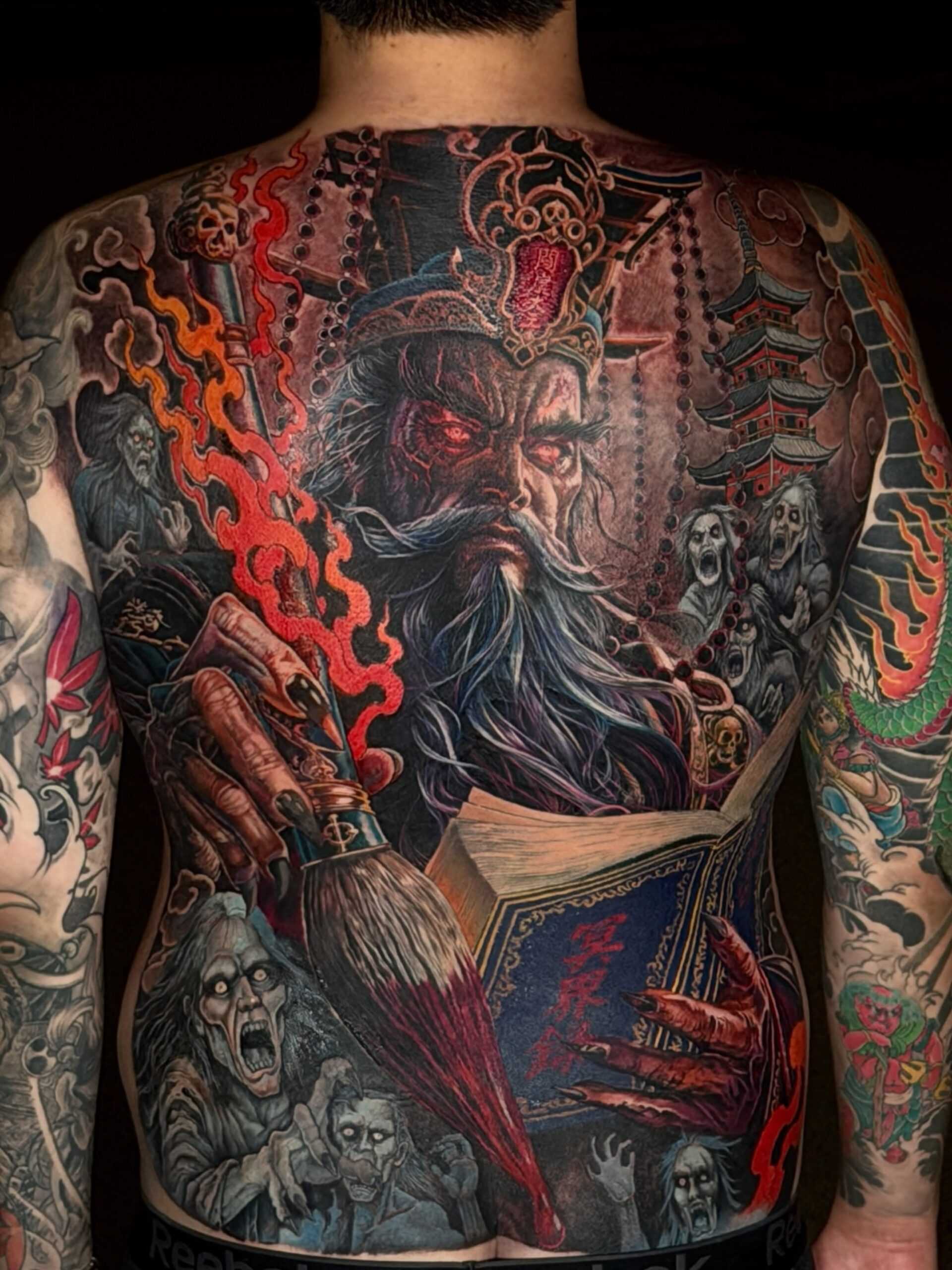
Irezumi is the traditional Japanese style. Oriental is a broader term we use for Japanese and other East Asian imagery, including Chinese and Vietnamese motifs like foo dogs, King Yama, and Buddha, often done with more realism.
What do koi, dragon, and tiger tattoos mean?
Koi stand for perseverance, dragons for wisdom and power, and tigers for courage and protection. The direction a koi swims and the season of the background can change the meaning, which we cover in our koi and dragon guides.
How many sessions does a Japanese backpiece take?
It depends on size, detail, and color. Our record is a backpiece finished in 66 hours over 3 days by 3 artists, but most clients book regular sessions over several months.
Can you finish or fix an unfinished sleeve from another shop?
Yes. Japanese backgrounds are one of the best ways to connect and finish existing work. Bring photos to your consultation.
Do you do tebori (hand-poked) tattoos?
Vinny Nguyen practices tebori, the traditional Japanese hand-poking method, and combines it with machine work on some pieces. Ask about it at your consultation.
Is Japanese tattooing more painful?
Large pieces mean long sessions, so we plan breaks and split the work across sessions. Areas like the ribs and spine are more sensitive than the outer arm or thigh.