
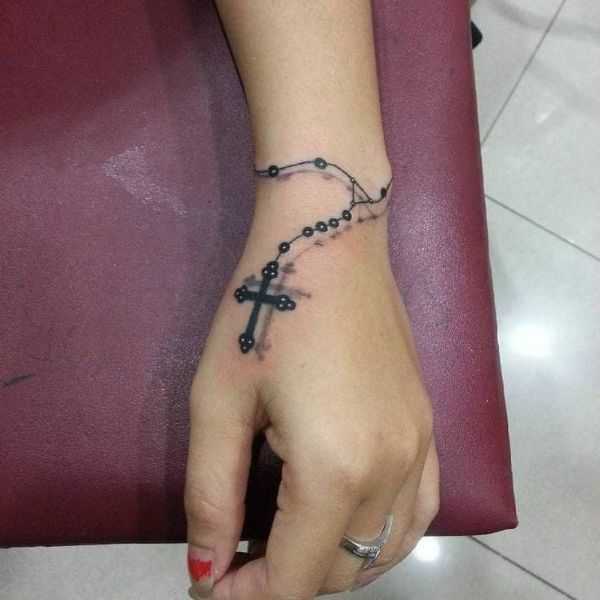
Every tattoo tells a story. For millions of Christians around the world, that story begins with faith. Biblical tattoos are more than just ink on the skin—they are a declaration of faith, a tangible symbol of grace, redemption, and the spiritual journey between humanity and God. At Holistic Ink, we understand that choosing a tattoo with religious significance is not a decision to take lightly. This guide will help you understand its true meaning, choose the right symbol, and approach the process thoughtfully—so that every mark on your skin reflects the values and beliefs it represents.
What Does Biblical Tattoo Mean? Faith, Symbolism & What the Bible Says — Holistic Ink
A Biblical tattoo is more than a decorative design. For many Christians, it serves as a personal expression of faith rooted in Scripture, carrying spiritual symbolism that reflects their relationship with God. To understand its true significance, it is important to explore the meaning behind the symbols and biblical themes it represents.
The Spiritual Meaning Behind Biblical Tattoo
Every Biblical tattoo carries a spiritual meaning that extends far beyond its outward appearance. Its true significance lies in what the wearer carries with them every day.
For many Christians, these tattoo choices also reflect core biblical teachings such as the Holy Spirit, the Holy Trinity, the Kingdom of God, the Covenant, the Messiah, and foundational values including Grace, Mercy, and the Resurrection. This theological depth is what transforms each tattoo into a lasting reminder of faith in everyday life.
The central themes found throughout faith-inspired tattoos include salvation and redemption, God’s guidance and protection, devotion and worship, forgiveness, and the hope of eternal life. Each symbol represents more than a theological concept—it embodies a defining moment, a personal turning point, or a time when someone experienced God’s presence in their life.
That is why Biblical-inspired tattoos have an enduring significance that outlasts any design trend. They are not shaped by seasons or fashion—they stay with the person who wears them.
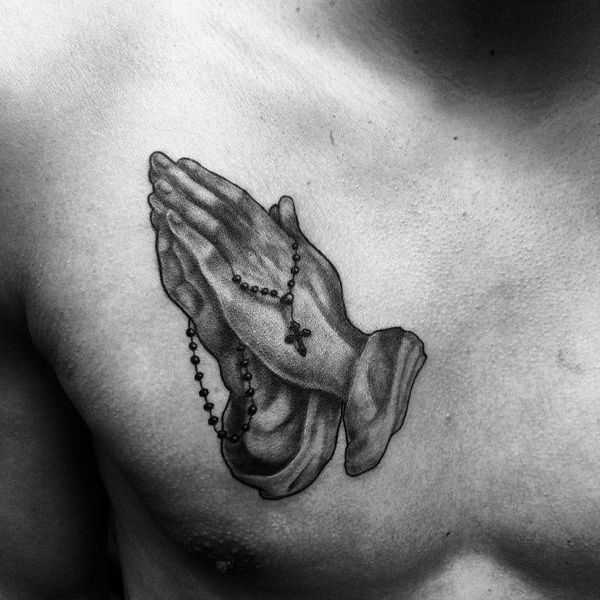
What Does the Bible Say About Tattoos?
This is perhaps the first question most Christians wrestle with when considering a religious tattoo. And the answer requires theological honesty.
Leviticus 19:28 is the verse most often quoted:
“Do not cut your bodies for the dead or put tattoo marks on yourselves. I am the Lord.”
This command was part of the Mosaic Law in the Old Testament. At first glance, it appears to be an absolute prohibition against tattoos.
However, interpreting Scripture requires understanding its historical context. When ancient Israel received this command, they were surrounded by nations that practiced cutting their bodies and marking their skin as part of mourning rituals or pagan worship. The prohibition was directed specifically at these idolatrous practices—not at tattooing as an independent form of artistic expression.
Most Christian theologians distinguish between two categories of Old Testament law: ceremonial laws established under the Mosaic Covenant for ancient Israel, and moral principles that continue throughout the New Testament. Leviticus 19:28 belongs to the first category. Within the New Testament context, where God’s grace fulfills the ceremonial law, most Christian traditions—from Protestant to Catholic—view tattooing as a matter of personal conscience rather than a universal prohibition.
So, can Christians get tattoos? The short answer is yes. What matters most is not the tattoo itself, but the intention behind it. A tattoo chosen out of reverence and faith is fundamentally different from one chosen merely to follow a trend. When the biblical and theological context is properly understood, Christians are free to express their devotion through tattoo art—as long as it honors God rather than glorifying themselves.
Popular Biblical Tattoo Designs & Their Meanings — Holistic Ink
Once you understand the spiritual and theological foundation behind Biblical tattoos, the next question becomes more practical: Which symbol should you choose?
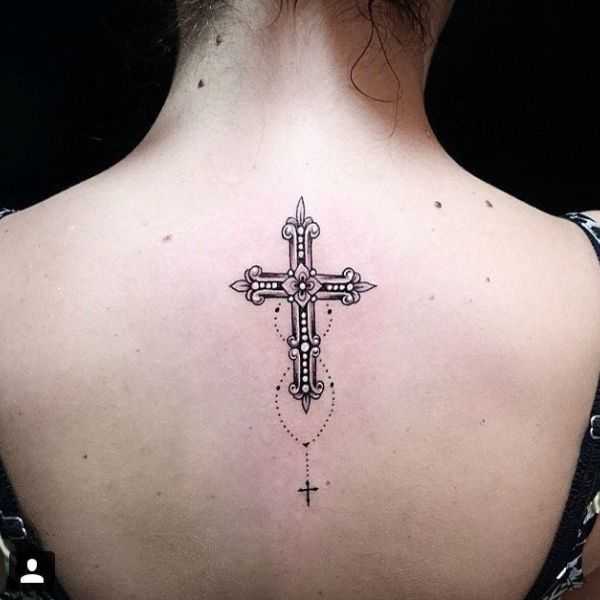
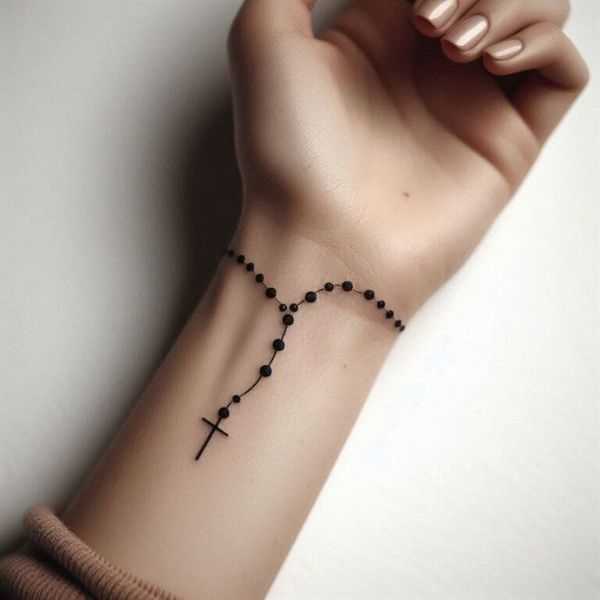
The Cross is the most popular choice—and perhaps the one most often taken for granted because of its familiarity. Yet when designed with intention, the Cross never loses its significance. It represents the very heart of the Christian faith: Christ’s willing sacrifice, humanity’s redemption, and the triumph of life over death. A simple minimalist cross can carry just as much spiritual weight as a highly detailed realistic design. What truly makes the difference is the meaning the wearer attaches to it.
The Lion of Judah holds profound significance throughout both the Old and New Testaments. In Genesis, the lion symbolizes the royal lineage of the tribe of Judah, while in Revelation, the title is given to Jesus Christ. Those who choose this design often wish to express spiritual strength, courage, and God’s sovereignty over their lives. It is also one of the most technically demanding tattoo designs, especially when created in a realistic style.
The Tree of Life appears from the Garden of Eden to the Book of Revelation and consistently symbolizes restoration, life, and hope throughout Scripture. It represents eternal life, divine wisdom, and continual spiritual growth. Because of its intricate branches and roots, this design is especially well suited for larger placements such as the back or upper arm.
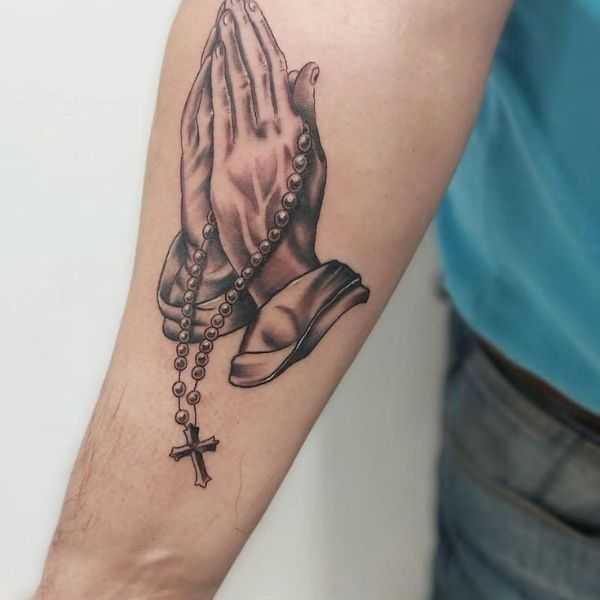
Many Biblical tattoo designs also depict some of Scripture’s most memorable stories. A Garden of Eden tattoo represents humanity’s beginning, a Noah’s Ark tattoo symbolizes hope after hardship, a David and Goliath tattoo reflects the victory of faith over overwhelming odds, while a Last Supper tattoo and a Resurrection tattoo emphasize Christ’s sacrifice and the promise of eternal life.
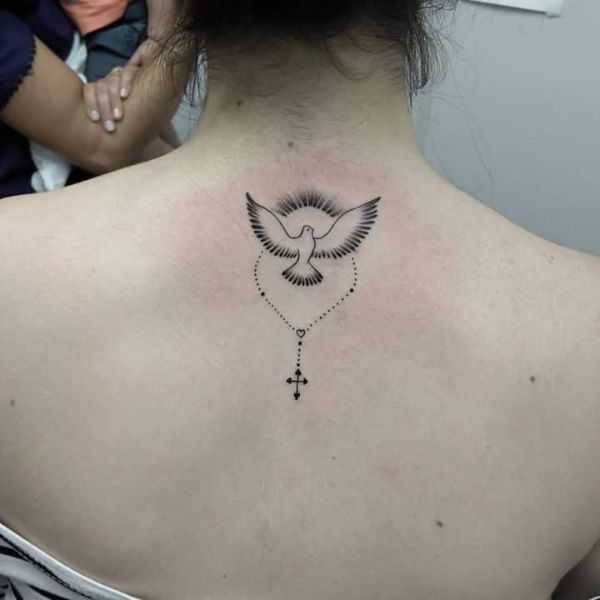
A Dove tattoo represents far more than peace alone. In Scripture, the dove carries profound theological meaning. It appeared as the form of the Holy Spirit descending upon Jesus during His baptism, and it also became Noah’s sign of hope when the floodwaters receded. This symbol is often chosen by people who are experiencing a season of transformation—or who wish to commemorate one they have already overcome.
Scripture tattoos require perhaps the greatest level of thought and commitment. Not because they are technically difficult to create, but because they permanently preserve a specific message that cannot be reinterpreted once it is tattooed. Philippians 4:13—“I can do all things through Christ who strengthens me”—is among the most frequently tattooed Bible verses, especially on the forearm. Many people also choose verses from the Psalms, particularly Psalm 23 and Psalm 46:10, during seasons of hardship, healing, or recovery. Others draw inspiration from Isaiah, Jeremiah, Romans, Joshua, John, or Proverbs, selecting verses that reflect their personal journey of faith and continue to encourage them throughout life.
Alpha and Omega—the first and last letters of the Greek alphabet—are titles Jesus uses to describe Himself in the Book of Revelation. The symbol proclaims His eternal nature: present before every beginning and beyond every ending. It is commonly tattooed as elegant lettering or incorporated into larger compositions alongside symbols such as the Cross or the Crown of Thorns.
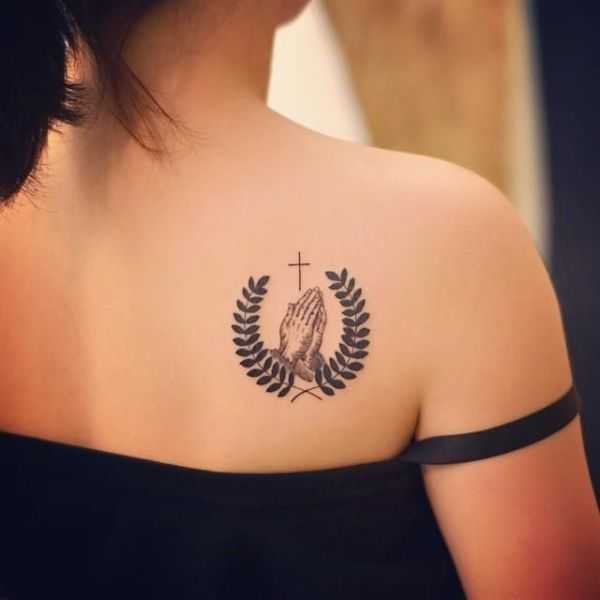
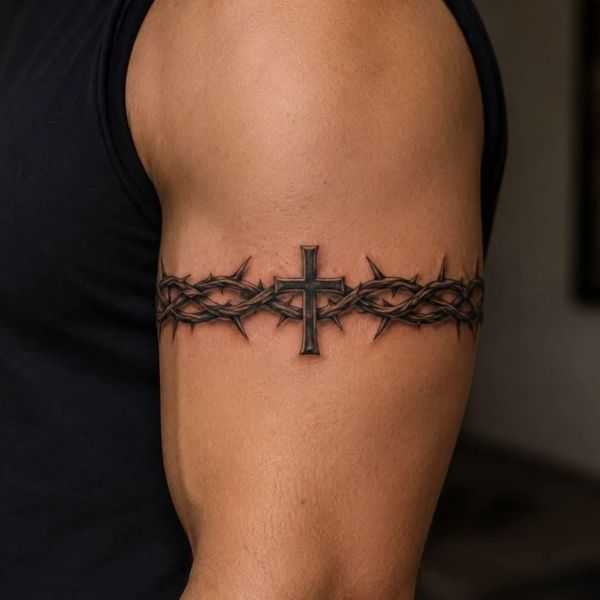
The Crown of Thorns carries a dual meaning: Christ’s suffering and His humility in the face of worldly power. Many believers choose this design as a personal reminder of service, sacrifice, and the true nature of spiritual strength.
Beyond symbols, many people also choose tattoos inspired by biblical figures. A Moses tattoo symbolizes leadership and guidance; a David tattoo represents courage; a Daniel tattoo reflects unwavering faith; while Noah, Joseph, and Abraham tattoos are often chosen to express obedience, hope, and trust in God’s plan.
How to Choose Tattoos in the Bible That Fit Your Faith & Style
For those inspired by tattoos in the Bible, selecting the right design requires balancing biblical symbolism with practical considerations. From tattoo style and placement to long-term durability, each decision helps create a piece that is both meaningful and visually enduring.
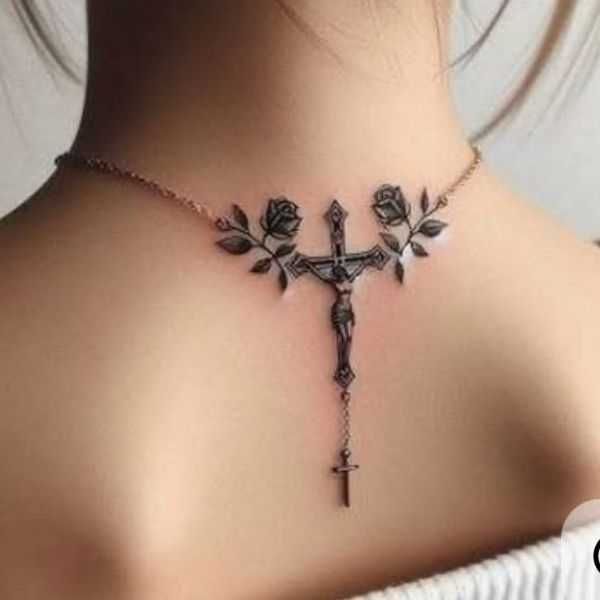
Tattoos in the Bible: Choosing the Right Style & Placement
When choosing tattoos in the Bible as inspiration, tattoo style is more than an aesthetic choice. It directly affects how well your tattoo ages and how clearly it remains readable over time.
Minimalist and fine line styles are ideal for short Bible verses and simple symbols such as the Ichthys fish or a dove. Their greatest strengths are simplicity and elegance. However, because of their delicate lines, they are more likely to fade over time—especially in areas of the body that experience frequent friction.
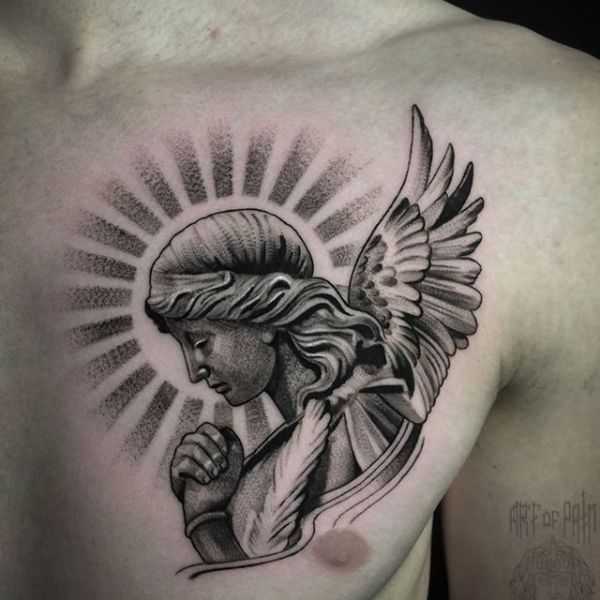
For greater longevity, blackwork tattoos are often the better choice. Many people also choose illustrative tattoos, neo-traditional tattoos, geometric tattoos, or watercolor tattoos to create designs that balance artistic expression with meaningful religious symbolism.
Placement is just as important as style. The forearm and wrist are ideal for Bible verses and smaller symbols because they remain visible as daily reminders of faith. The chest and collarbone offer a more private placement, making them well suited for messages intended primarily for the wearer. The back and shoulders provide a larger canvas for intricate designs such as the Tree of Life or angelic scenes. A full sleeve is an excellent option for those who want to tell an ongoing story of faith through multiple interconnected biblical symbols.
Tips Before Getting Tattoos Inspired by the Bible
Preparing carefully before getting a tattoo does more than protect its appearance—it preserves its meaning. Before sitting down in the tattoo chair, take time to consider the following:
First, choose a Bible verse or symbol that genuinely reflects your own faith, not someone else’s.
Second, understand the biblical and theological context behind your chosen design. A verse taken out of context can convey a meaning very different from what its original author intended.
Third, carefully verify the Bible verse and the translation you plan to use. This is especially important if your tattoo includes Hebrew, Koine Greek, or translations such as the King James Version (KJV) or the New International Version (NIV). A single incorrect Hebrew character can completely change the intended meaning.
Fourth, choose a tattoo artist with experience in lettering and religious symbolic designs. This is not the type of work best suited for someone who is still learning the craft.
Fifth, think carefully about the long-term readability of text-based tattoos. Fine lines and small lettering are more likely to blur over the years if they are not designed properly or cared for correctly.
Sixth, follow the recommended tattoo aftercare instructions carefully. Proper aftercare supports healthy healing, minimizes fading, and helps preserve the clarity and longevity of your lettering.
Before committing to your design, it is also worth scheduling a tattoo consultation with an experienced tattoo artist if you plan to create a custom tattoo that reflects your personal faith and the meaning you want to express.
A Biblical tattoo, when thoughtfully chosen and skillfully executed, can last a lifetime without losing its significance. What makes the difference is the preparation beforehand—and the artist you trust to bring your vision to life.
At Holistic Ink, we do more than create tattoos. We help you tell your story of faith in a way that truly honors what it means to you.
If you have questions or would like professional guidance, contact Holistic Ink for a free consultation. Our experienced team is committed to providing expert advice, professional service, and a smooth, welcoming tattoo experience.