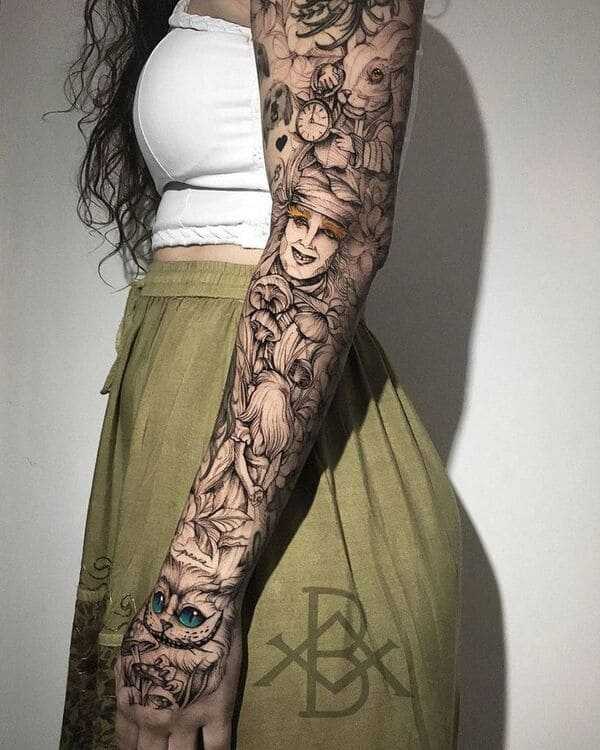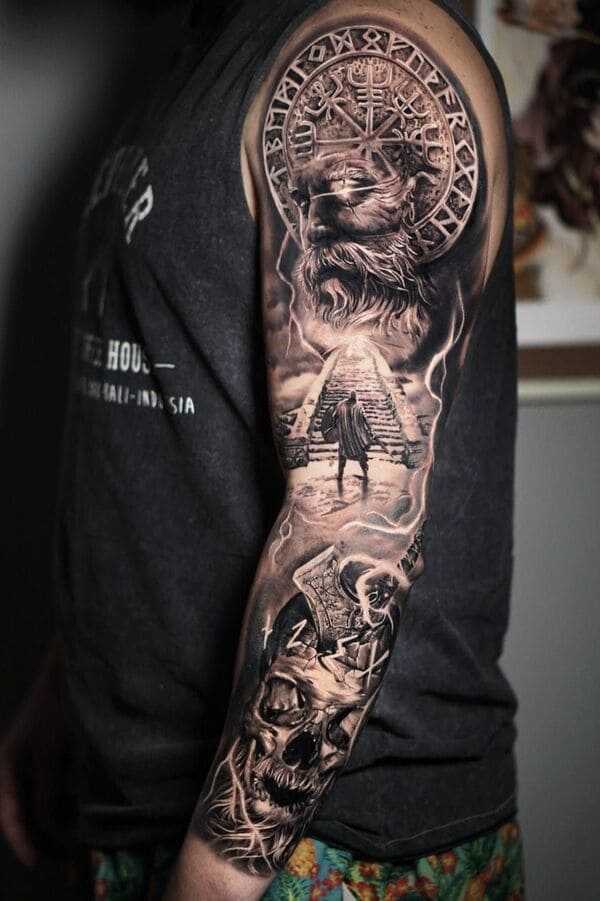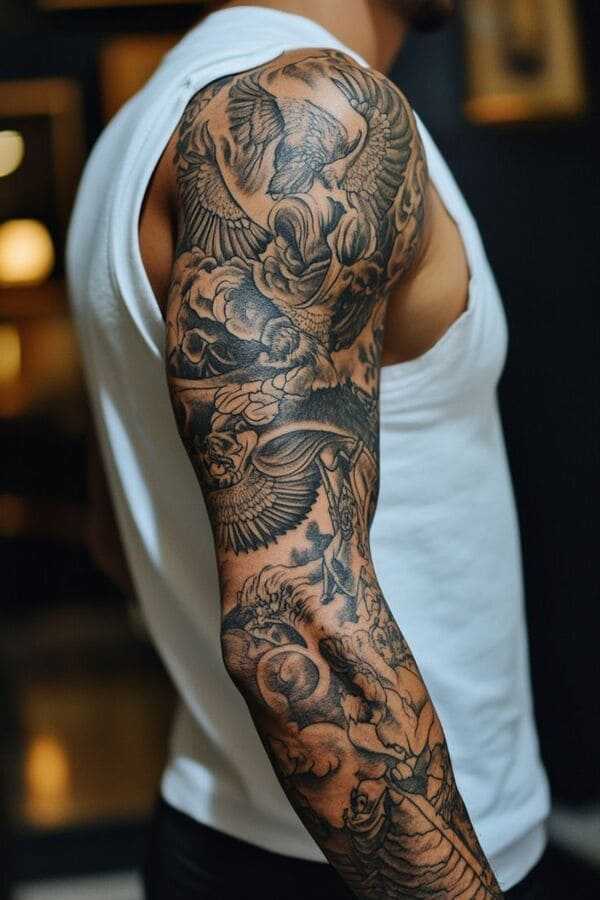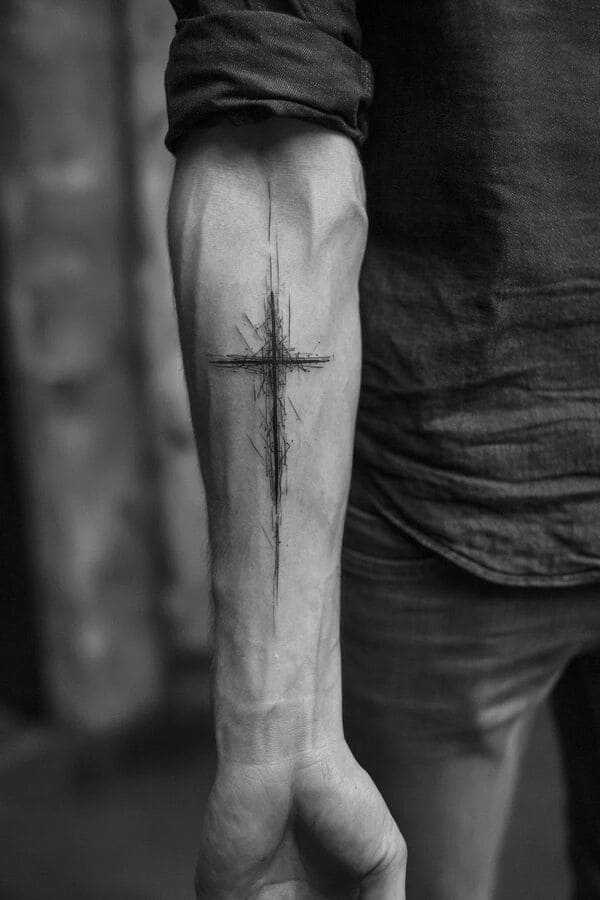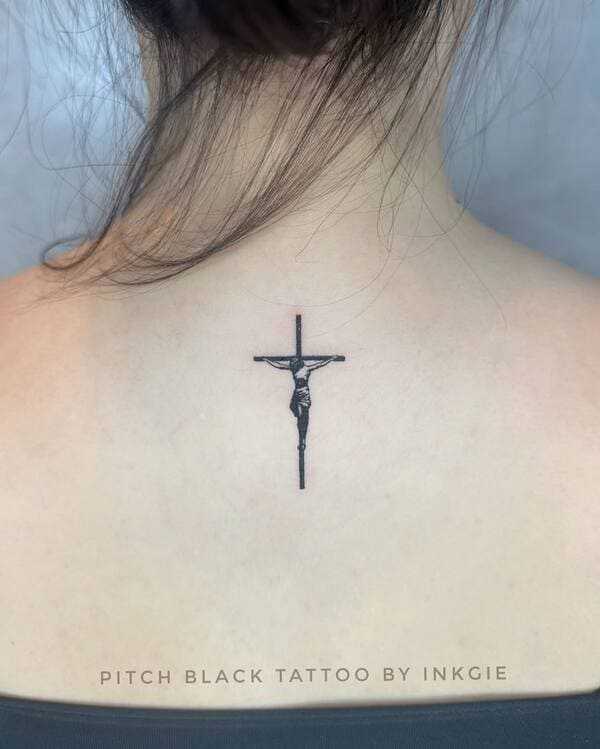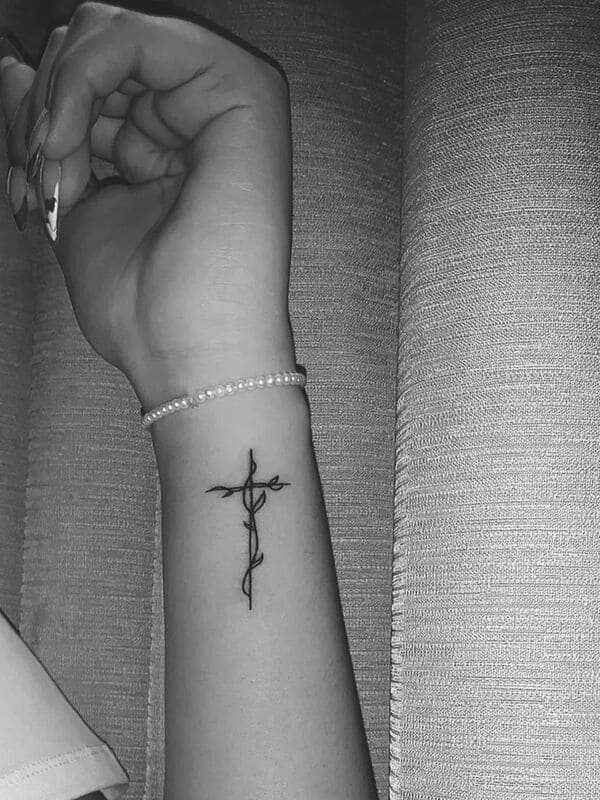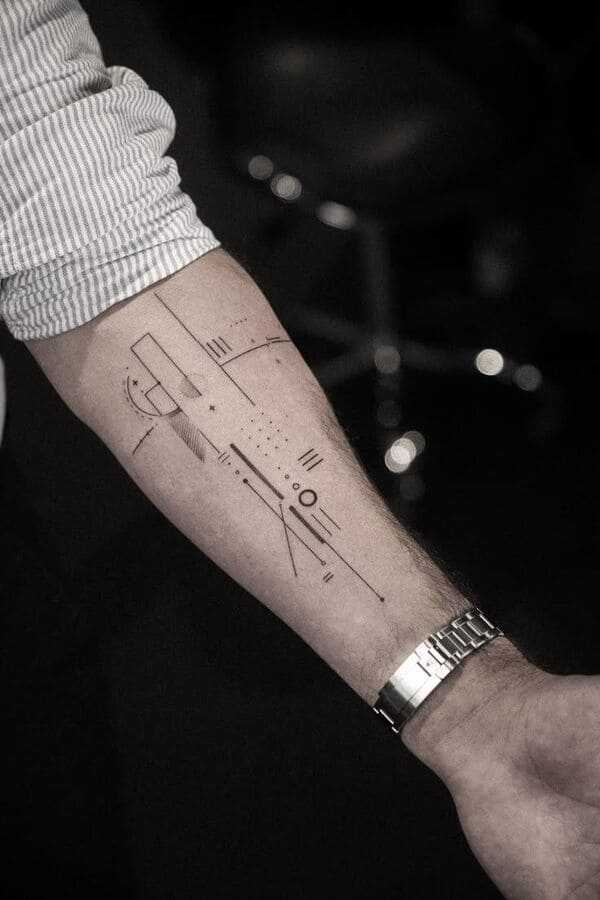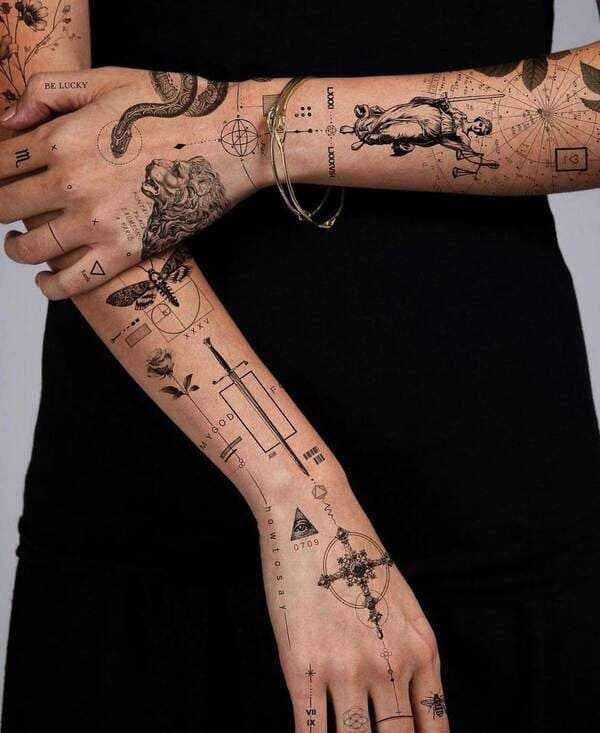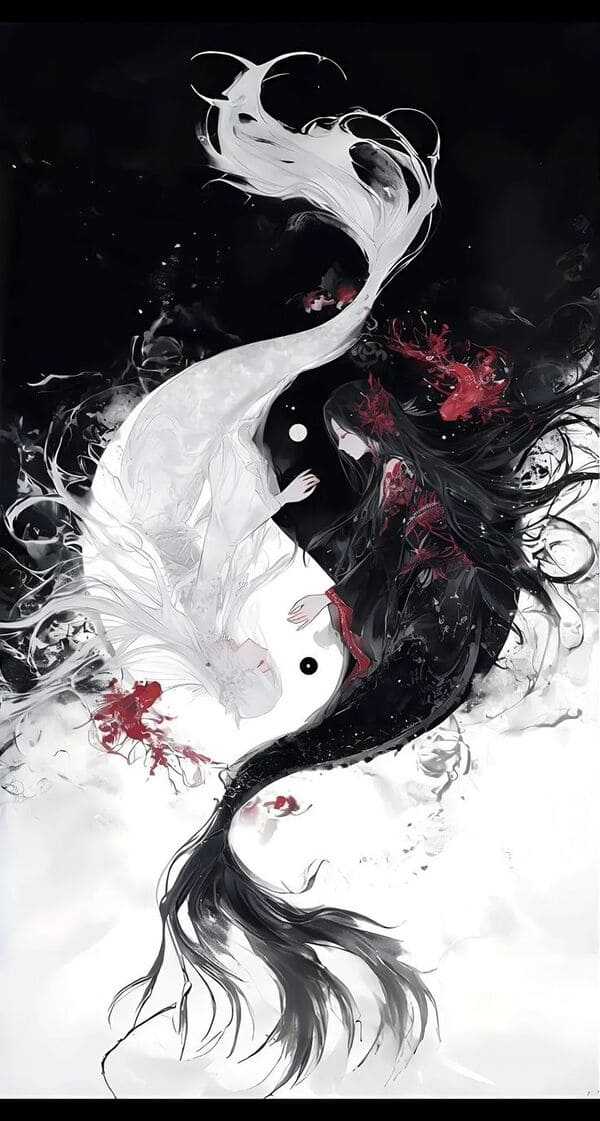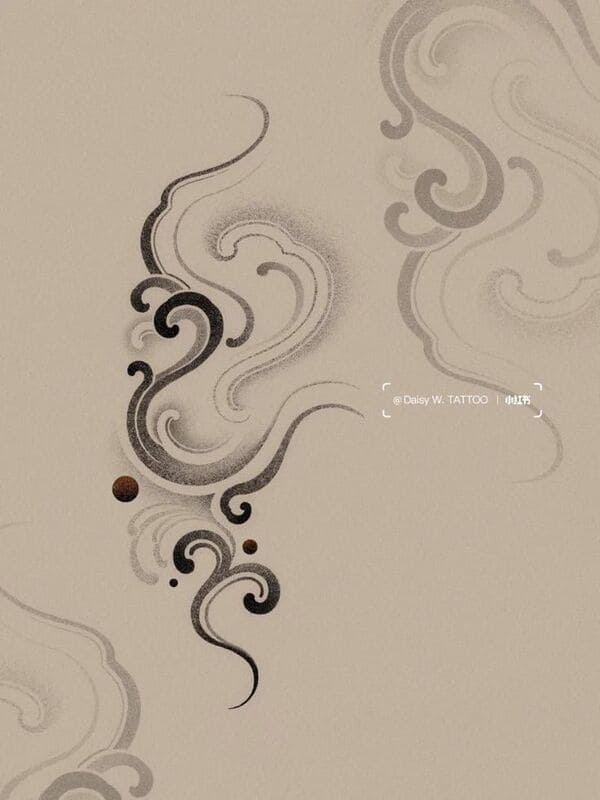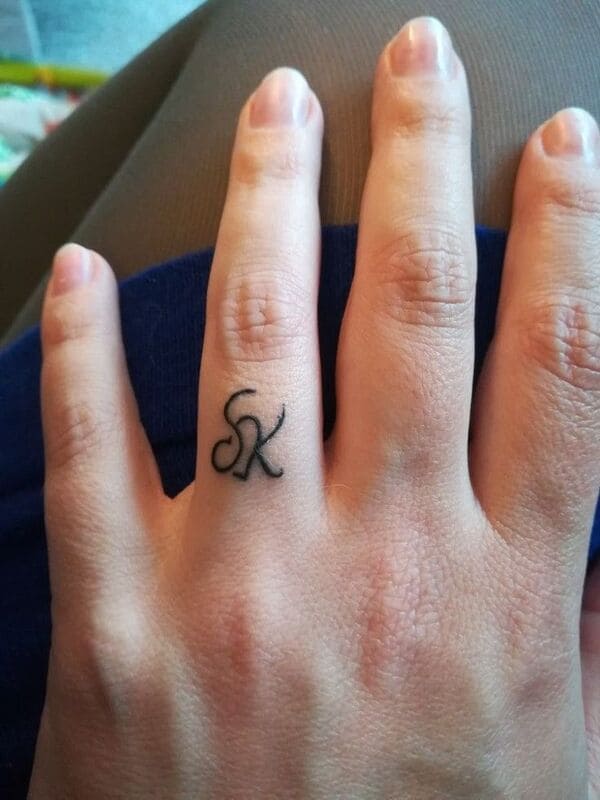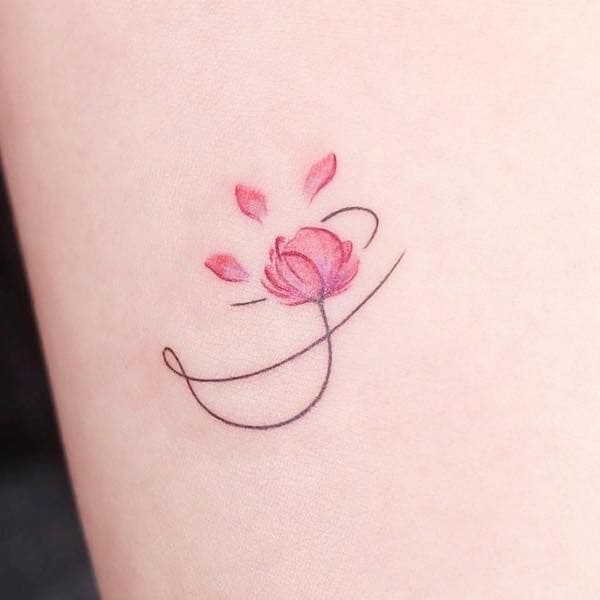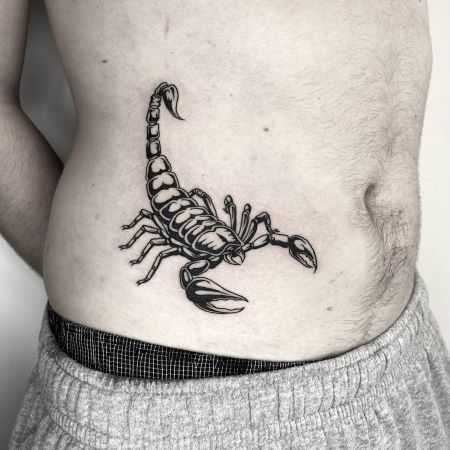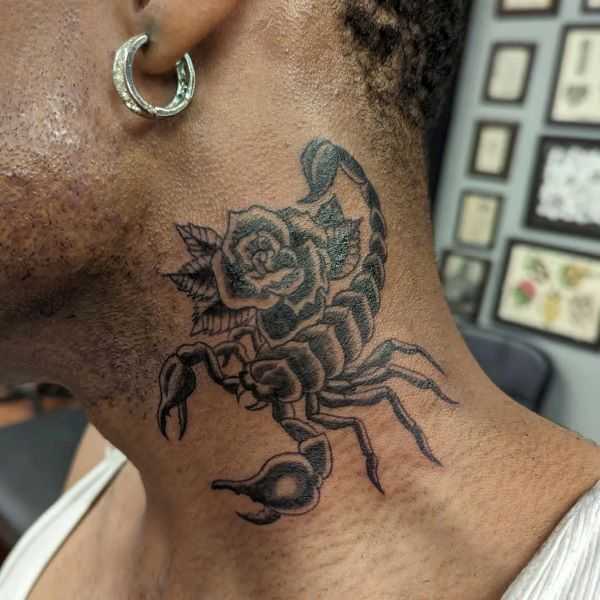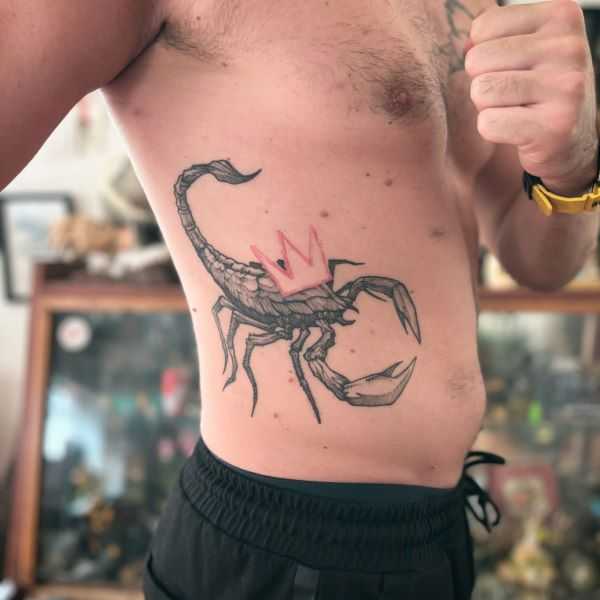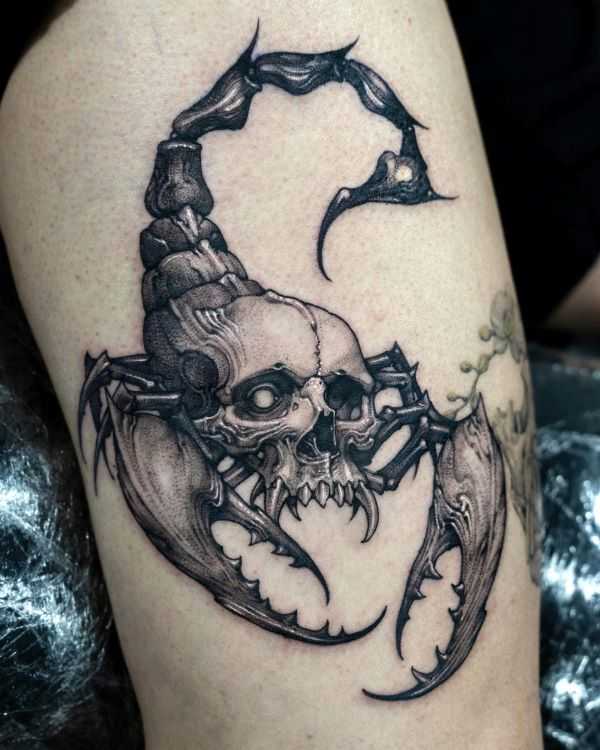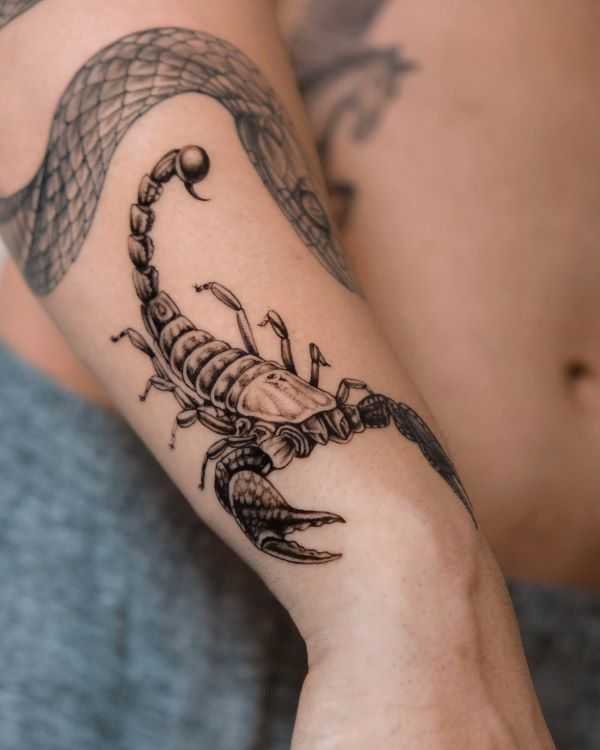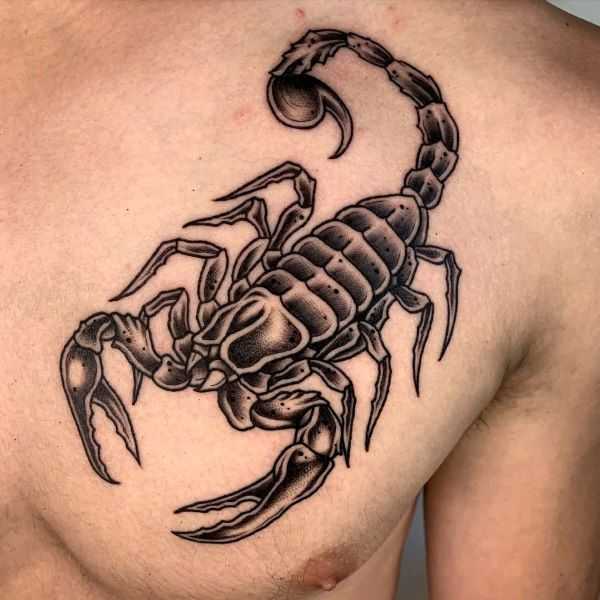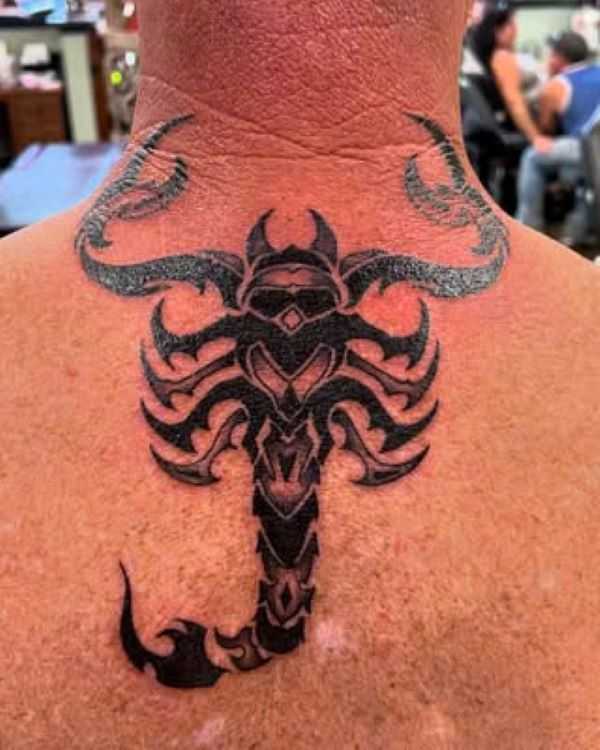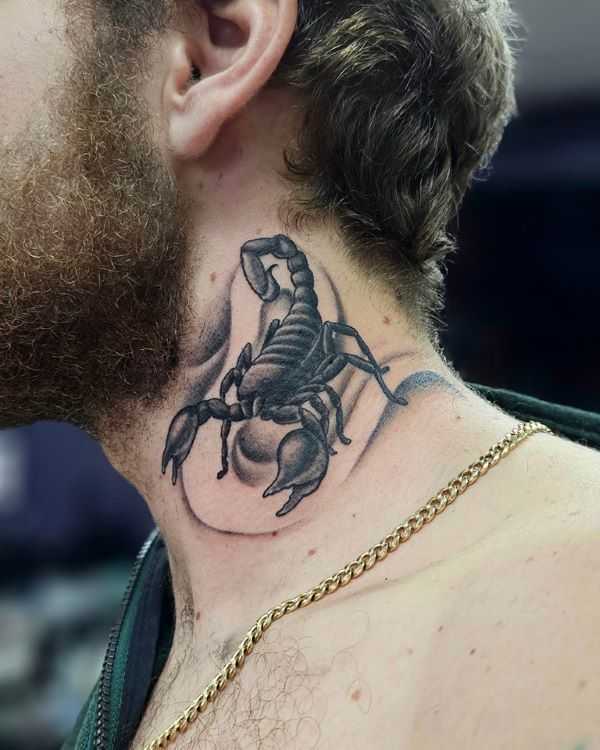
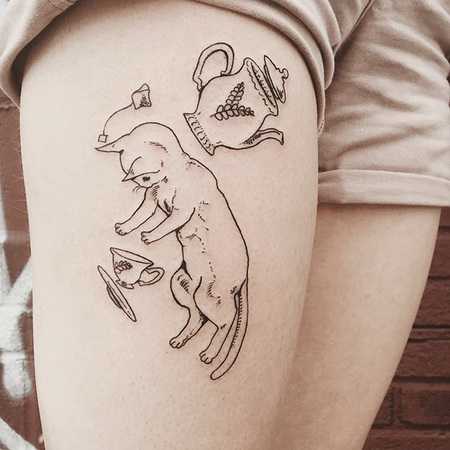
Cat tattoo has long been a popular choice within the tattoo community. Not only do they bring an elegant beauty, but they also carry deep and diverse meanings related to personality, freedom, mystery, and adaptability in life. Whether it’s a mysterious black feline design, a bold wildcat piece, or a feline ink art combined with natural elements, each cat design has the power to tell part of the owner’s story. With endless creativity, you can find a cat ink design that is not only visually stunning but also carries a profound personal message. Join HolisticInk to explore unique cat body art and how it is integrated with other elements in the tattoo world.
Meaning of Cat Tattoo: A Symbol of Freedom and Flexibility
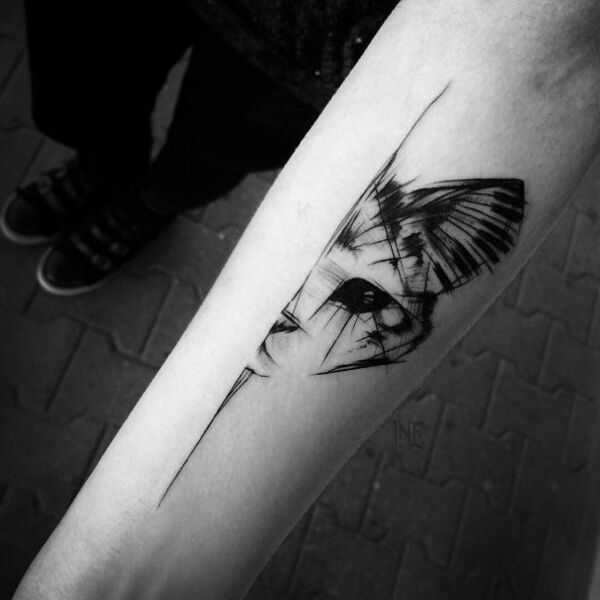
Cat tattoo is not just simple artistic designs; they carry deep and rich messages about personality, freedom of spirit, and adaptability in life. Cats have long been a powerful symbol in the culture and art of many societies around the world. With their graceful, free movements and occasional air of mystery, they have become the ideal choice for those who cherish independence and autonomy in life. Below is the true meaning of this type of tattoo that HolisticInk has compiled:
Cats: A Symbol of Independence
Cats are a symbol of freedom and independence. When observing a cat, one notices its finesse and gentleness, yet there is also an unmistakable strength and determination in each step. For those who adore these animals, a tattoo design about cats is a way to express their own sense of freedom and refusal to be constrained. Cats are not influenced by external factors, but instead live life on their own terms. This makes them a popular choice for people who pursue a life of independence and do not want to be bound by convention.
The freedom of cats is not only reflected in their movements but also in their ability to interact with their surroundings with incredible flexibility. By choosing tattoos about cats, you are also embracing this freedom—a freedom that is not controlled by anyone or anything. This is why cat’s ink designs are often chosen by those who wish to express their independence in thought and action.
Cats and Flexibility
One of the most notable traits of cats is their incredible flexibility. They can move quickly, leap from great heights without difficulty, and always find a way to overcome obstacles with finesse. The image of a cat gracefully leaping or moving fluidly represents the ability to adapt and overcome life’s challenges. This not only reflects the nature of the cat but also carries a message of persistence and creativity.
Flexibility in cats is not just physical but also manifests as the ability to adjust and adapt to new circumstances. When you choose a cat tattoo, you are expressing your own flexibility, showing that you can quickly adapt to change and always find solutions to the challenges you face. Similarly, a dog tattoo can symbolize loyalty and companionship, representing the deep bonds we form with others and our unwavering commitment. This is why they are not just a body decoration but also a way to convey a strong life philosophy.
The Mystery and Enigmatic Nature of Cats
In addition to their freedom and flexibility, cats are also symbols of mystery. In many cultures, cats are believed to have the ability to communicate with the spiritual world or even to ward off evil spirits. Dark cats, in particular, are often linked to mystery and associated with myths and legends. In tattoo art, cats with bright eyes, adorned with collars, or black cats have become popular designs, enchanting with their mystical and alluring beauty.
Theremore, they can also send a message of balance and harmony in life. Cats are creatures that are highly skilled at taking care of themselves—from grooming to resting and protecting themselves. People who sport cat’s ink designs are often seen as those who know how to care for themselves, maintaining balance between work and life while always protecting and respecting their privacy.
Cats and Their Connection with Natural Elements
Cat’s ink designs also have a strong connection to natural elements, particularly to wild animals. Cats represent the link between humans and the animal world, helping us recognize the importance of environmental protection and respect for all forms of life. In many cultures, cats are believed to be a bridge between the human world and the mystical creatures that exist beyond.
A feline tattoo with details like plants, the moon, or other natural elements can create a powerful message about the connection to the universe, to nature, and to all living things around us. This shows that while cats may appear independent and solitary, they are deeply connected to the world around them and hold an important place in our lives.
Cat tattoo is not just artistic symbols, but a powerful message about freedom, flexibility, mystery, and a connection to nature. They represent an independent lifestyle, the ability to adapt to change, and the courage to overcome challenges in life. If you love these animals and want to carry a piece of them with you, this is the perfect choice to express yourself and the values you hold dear.
Why Black Cat Tattoo Ideas Have Become a Favorite Choice Among Tattoo Enthusiasts
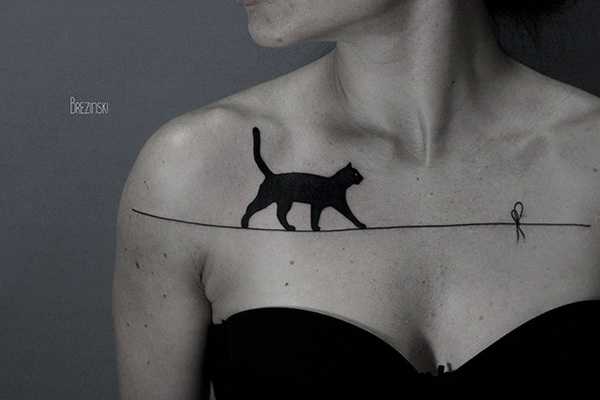
Black cat tattoo ideas have long been a captivating choice for those who appreciate tattoo art. Not only are they visually striking, but it also carries deep meanings, particularly as they are often linked with mythical stories and unique cultural beliefs. Because of this, black cats have become a popular and beloved tattoo design among the tattoo community.
A Symbol of Mystery and Power
For centuries, shadow cats have been seen as symbols of mystery, the supernatural, and power. In Western cultures, dark-coloured cats are often associated with mysticism, witchcraft, and even bad luck. However, in many other cultures, the black cat is revered and considered a symbol of protection and spiritual defense. Black feline are believed to have the ability to “ward off” evil spirits and protect their owners from misfortune, especially in Eastern spiritual traditions.
Due to their connection with spiritual power and protection, black feline tattoos are often chosen as a symbol of strength and independence. These tattoos not only reflect a person’s personality but also convey a message of spiritual power and the ability to defend oneself against negativity.
Black Cats in Culture and Beliefs
The meaning of black cats varies across different cultures. In Western cultures, they are often linked to bad luck and misfortune, while in Japan, dark skin cats are considered a symbol of good luck and protection. In ancient Egyptian culture, the black cat was worshiped and considered a representation of the goddess Bastet – the goddess of protection and love.
The diversity of myths and beliefs surrounding noir cats has made an alluring option for tattoo enthusiasts looking for a symbol with deep meaning. For those who follow spiritual paths, a black feline tattoo can bring spiritual protection and prosperity.
Black Cat Tattoos and Boldness
Dark-coloured cats are often associated with mystery, strength, and boldness. As a result, black cat tattoos are chosen by people who like to stand out and aren’t afraid to showcase their strong personalities. These tattoos can be created in many styles, ranging from minimalist designs to more intricate and complex compositions, creating a distinctive and unique tattoo.
Particularly, black cats can be combined with other elements such as the moon, stars, or gothic patterns to create a visually striking piece of art that is both mystical and captivating. This is why black cat ink designs are so popular in the tattoo community, especially among those who appreciate creativity and bold artistic expression.
The Connection Between Shadow Skin Cats and Good Luck
Like other tattoos, black cats are also considered a symbol of good luck in many cultures. In Japan, they are seen as beloved family members, bringing peace and prosperity to their owners. Additionally, in folk beliefs, they are thought to attract positive energy, bringing wealth and fortune into one’s life.
For those who have black feline tattoos, it is not only an artistic image but also a powerful symbol of protection, good luck, and prosperity. Every time someone looks at their tattoo, they can feel the invisible protection and positive energy that it brings into their lives.
With its profound meanings and strong connections to spiritual elements, culture, and beliefs, black cat tattoo ideas have become a favorite choice for many tattoo enthusiasts. It is a powerful symbol that not only reflects personality but also conveys messages of protection, power, and luck. Therefore, if you are looking for a tattoo that is both beautiful and full of deep meaning, black cat ink designs are definitely a choice not to be overlooked.
Cats and Spiritual Power: Unveiling the Hidden Messages Behind Cat Tattoos
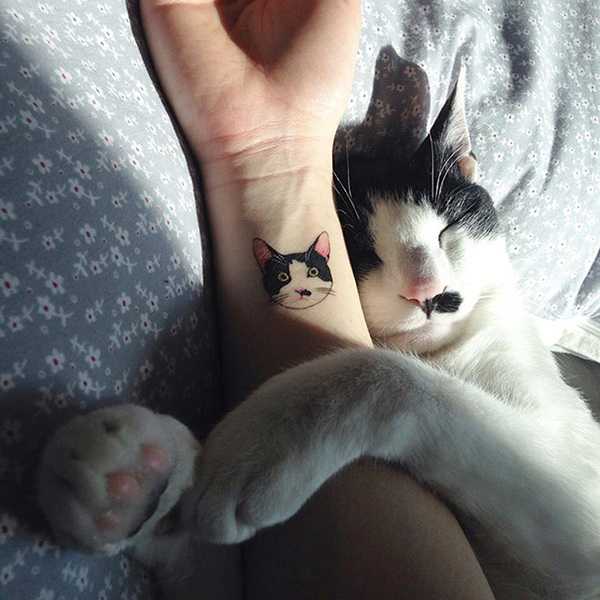
Cat ink designs, particularly black cats, have always been powerful symbols steeped in spirituality and mysticism. For a long time, cats have not only been charming creatures but also spiritual beings closely connected to the supernatural world. Those who choose to tattoo cats often seek more than just artistic beauty; they also wish to express the profound spiritual values these animals represent. With the ability to carry rich meanings, they are a powerful tool to connect with spiritual messages, offering an invisible protection and bringing peace into one’s life.
In many cultures, cats are believed to have the ability to communicate with the spirit world, acting as a bridge between the physical realm and the invisible world. People who get tattoos about cats often hope to attract positive energy and protection from negative forces. In particular, black cats are associated with mystical elements, symbolizing shelter, the warding off of evil spirits, and protection from spiritual dangers. In Eastern cultures, black cats are believed to offer spiritual protection, while in Western culture, they represent a connection to invisible forces, helping those who wear the tattoo feel safe and secure.
Those tattoos about cats are not only a fusion of art and spirituality, but they also represent a deep respect for the mysterious forces of the universe. The image of a cat with sharp eyes and sensitive ears can symbolize awareness that goes beyond the physical world, enabling one to perceive signals and signs that others may not notice. For this reason, a cat ink design is often seen as a reminder that the world is not limited to what we see; there are invisible forces that we must respect and protect.
Additionally, they can represent an individual’s spiritual journey, expressing a personal exploration and understanding of life’s mysteries. Specifically, cats, with their freedom and independent nature, symbolize the ability to overcome challenges, accept the unexplained, and live harmoniously with oneself.
Cat Tattoos in Different Cultures and How They Are Represented
Cat tattoo is not only prominent in Western cultures but also have a strong presence in Eastern cultures, ancient Egyptian civilization, and even in various religions and beliefs. Each culture brings a different perspective on cats, and through this, cat ink designs have been expressed in many distinctive forms, each carrying its own unique symbolism and meaning.
Cats in Ancient Egyptian Culture
In Ancient Egyptian culture, felines were highly revered, symbolizing protection and power. Statues and paintings of the goddess Bastet – the goddess of protection, love, and fertility – often depicted a cat or a woman with the head of a cat. The ancient Egyptians believed that cats had the ability to protect them from evil spirits and ward off dark forces. Because of this, feline body art in Egyptian culture can symbolize protection, making the wearer feel safe and prosperous. Egyptian cat designs are often drawn in a classic style, with sharp details and clear geometric shapes.
Cats in Eastern Cultures
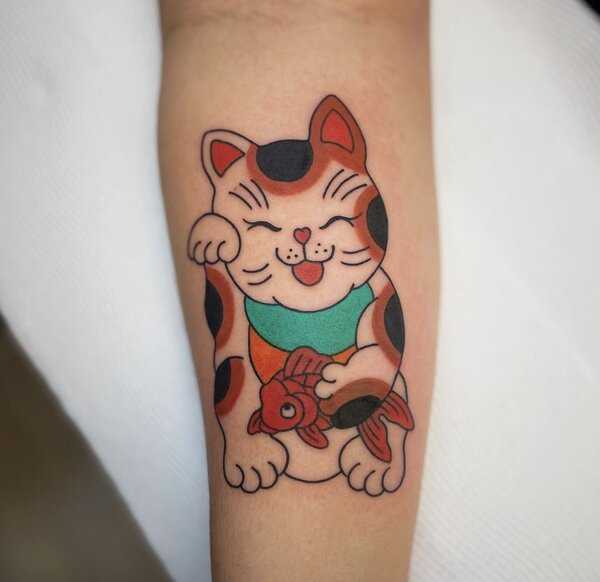
In Eastern cultures, particularly in Japan, felines bring a positive message and are seen as symbols of good fortune and prosperity. The Maneki Neko, or “beckoning cat,” is a very popular image in Japanese culture, regarded as a friendly figure that brings wealth and good luck to its owner. The Maneki Neko is often depicted with one raised paw and a coin, symbolizing wealth and prosperity. Maneki Neko ink art is a popular choice for those who want to attract fortune and success into their lives.
In Chinese culture, felines also represent good luck and wealth, but they also have connections to spiritual elements. Chinese cat designs often incorporate details such as lotus flowers or the characters for “Good Luck,” “Wealth,” and “Longevity,” expressing wishes for a long, prosperous, and peaceful life.
Felines in Western Culture and Mysticism
In Western culture, black cats are linked to mystery and are considered to have a special relationship with supernatural forces. Black feline tattoos often carry a sense of mystery, strength, and sometimes even an eerie aura. In many Western legends, ebony cats are associated with witches, believed to be creatures capable of seeing hidden truths and protecting their owners from evil spirits. Those who choose black feline tattoos often wish to assert their spiritual strength and ability to confront the mysteries in life.
Along with black cats, felines in Western culture are also strongly associated with independence and freedom. This is why cat designs, particularly those featuring wild cats or cats drawn in tribal style, are popular as symbols of freedom, untamed nature, and living by instinct.
How Cat Ink Art Is Represented: From Traditional to Modern Styles
Feline ink art can be represented in many different styles, depending on personal preferences and their combination with cultural elements. From traditional styles with simple, cute cat images to more complex and bold designs combined with geometric elements, black cat designs, or gothic styles, they offer endless creativity for tattoo enthusiasts.
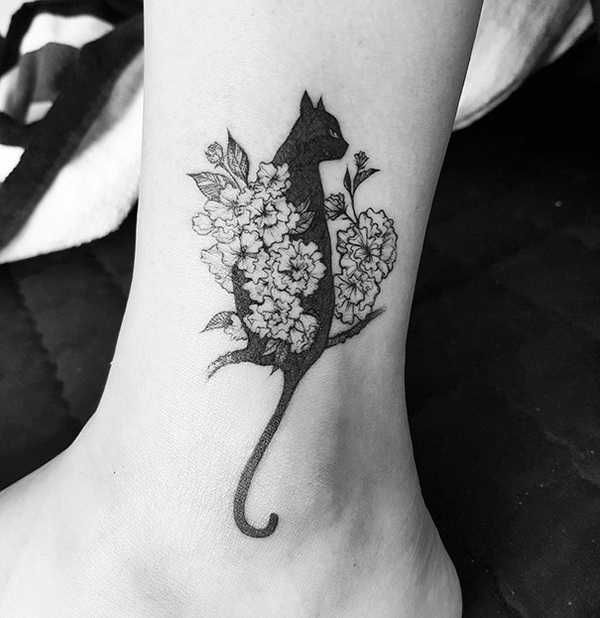
Many people also choose feline designs with delicate details, such as cats drawn alongside flowers or designs combining felines with mystical elements like the moon, stars, or eerie patterns. These designs not only create visual appeal but also carry profound messages about protection, good fortune, and power.
Cat tattoo has a strong presence across various cultures, carrying rich meanings about protection, luck, mysticism, and independence. From ancient Egyptian culture to Japan, China, and Western cultures, they are expressed with deep significance, helping their owners connect with spiritual and mental elements. Surely, each cat design is not only a work of art but also a powerful message about spiritual values and the latent power within each individual.
From Black Cat Tattoos to Wild Cats: Meaningful Variations of Cat Tattoos
Black cat tattoo not only bring artistic beauty but also carry deep messages about freedom, protection, and mysticism. From traditional black feline tattoos to modern variations such as wild cats or stylized cats, each design holds a unique meaning, reflecting the style and personality of the wearer.
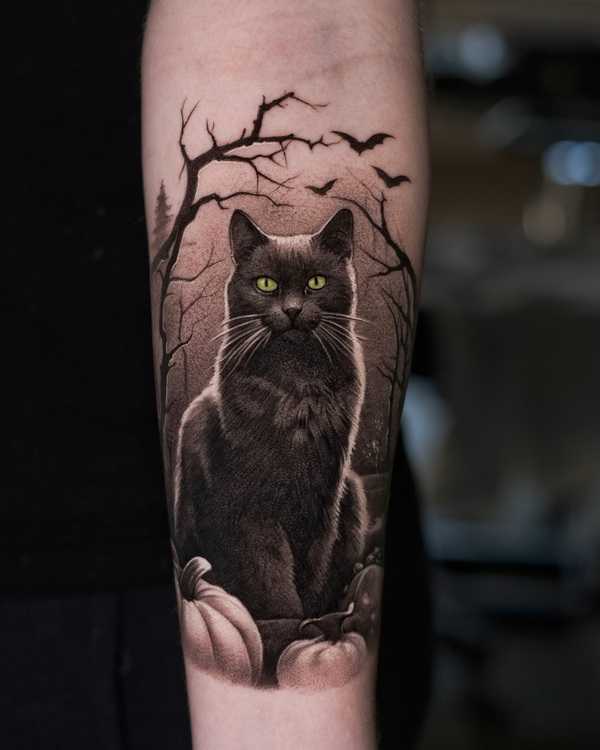
JoseContrerasArt
Black Feline Tattoos – A Symbol of Mystery and Protection
Black cats have long been associated with mysticism and spirituality, especially in Western culture, where they are often seen as symbols of luck, yet full of allure and mystery. A black feline tattoo represents the connection between the wearer and supernatural forces. They are not only offer protection but also help ward off evil spirits and bring positive energy. For those who are drawn to mysticism, a black cat design is an excellent choice to express uniqueness and spiritual strength.
Wild Cat Tattoos – A Symbol of Freedom and Strength
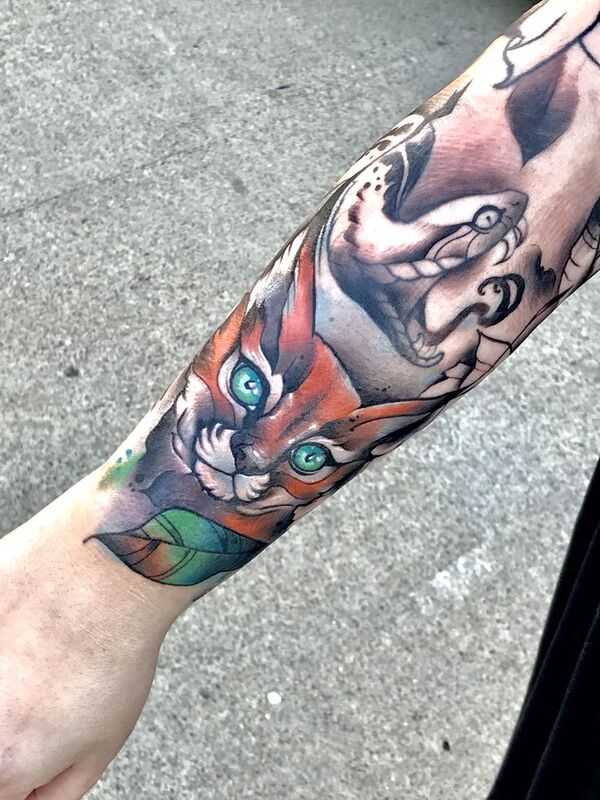
In addition to black cats, wild feline ink designs are also a favorite among those who wish to express freedom and independence in their lives. Wild cats symbolize a life of freedom, unbound by constraints, and always adapting to the surrounding environment. Wild animal tattoos reflect a lifestyle of boldness, strength, and fearlessness in the face of challenges. Particularly, wild felines can also represent strength in overcoming difficulties, as they always find ways to survive in harsh environments.
For body art enthusiasts who love wild cat motifs, they often choose tattoos that express agility, courage, and the ability to protect themselves. These designs especially appeal to individuals who want to show their inner strength and ability to adapt to all circumstances. A wild feline tattoo is not only a work of art but also a declaration of resilience and freedom in life.
Stylized and Modern Feline Ink Designs
Beyond black felines and wild cats, there are many creative and modern variations of feline tattoos, ranging from geometric designs and minimalist cat motifs to ink pieces that blend natural elements such as flowers, leaves, or even abstract details. These designs not only bring freshness but also reflect the strong personality and creative spirit of the wearer. Each design can be stylized in its own way, leaving a unique mark on the person who wears it.
Furthermore, modern variations of cat designs, such as those combining cats with celestial elements like the moon, stars, or mythical elements, are also quite popular. These tattoos not only highlight the beauty of felines but also convey messages about the connection between humans and the universe. Every modern cat ink piece carries artistic values and endless creativity, making them an essential part of today’s tattoo world.
Black cat tattoo is not just works of art but also a way to express profound spiritual values, from protection to freedom, strength, and adaptability. Depending on your preferences and the meaning you wish to convey, each variation of a black feline tattoo can tell a unique story, expressing a part of your personality and life philosophy.
Top 10 Cat Ink Designs That Tattoo Enthusiasts Can’t Miss
Feline ink designs are not only diverse in style but also come in countless stunning designs, ranging from simple tattoos to intricate masterpieces that reflect personal identity. If you’re a tattoo enthusiast who loves feline motifs and is looking for fresh ink ideas, here are the top 10 cat-themed body art pieces that you can’t miss:
- Traditional Black Feline: A powerful symbol of mystery and good luck, the traditional black cat ink design always attracts those who love the enigmatic.
- Maneki Neko Feline: A symbol of good fortune and wealth, the waving cat body art is not only visually appealing but also carries a message of prosperity.
- Realistic Wild Cat: The wild feline tattoo brings freedom and strength, ideal for those who appreciate natural beauty and independence.
- Geometric Cat Design: A geometric style brings a modern aesthetic, showcasing the creativity and uniqueness of the wearer.
- Feline with Lotus Flower: Combining a cat with a lotus flower creates a meaningful piece of body art symbolizing purity and peace.
- Watercolor Feline: Soft, artistic hand-painted colors bring the cat ink design to life in a vibrant and delicate way.
- Cat and the Moon: A symbol of mystery and dreaminess, the cat and moon body art offers a captivating and visually stunning look.
- Tribal Cat Ink: Featuring bold tribal styles, the tribal feline design represents a strong personality and a spirit of freedom.
- Cute Kitten Body Art: Adorable, gentle kitten tattoos are the perfect choice for those who love cute and charming designs.
- Cat Nose Ink: A cat nose tattoo provides a sweet and appealing look, perfect for those who enjoy subtle and refined styles.
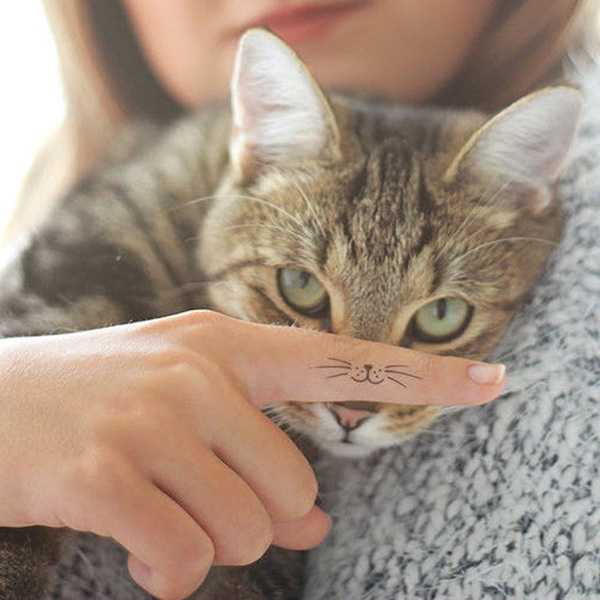
These ink designs are not only beautiful but also carry profound messages of freedom, protection, and good luck. Whether you want a small, simple design or a complex, detailed masterpiece, a cat-inspired tattoo is always a wonderful choice to express your personality and unique style.
Cat Tattoos and How to Combine Them with Other Elements
Cat tattoo is a fantastic choice for expressing individuality and personal taste. When combined with other elements, they can create remarkable pieces of art that are not only unique but also bring depth and meaning. Elements such as flowers, the moon, stars, or other natural patterns can highlight the connection between the natural world and the spiritual realm, adding richness both in meaning and aesthetics. Let’s explore how cat ink art can be integrated with other elements to create distinctive and meaningful designs.
Feline Ink Art and Natural Elements
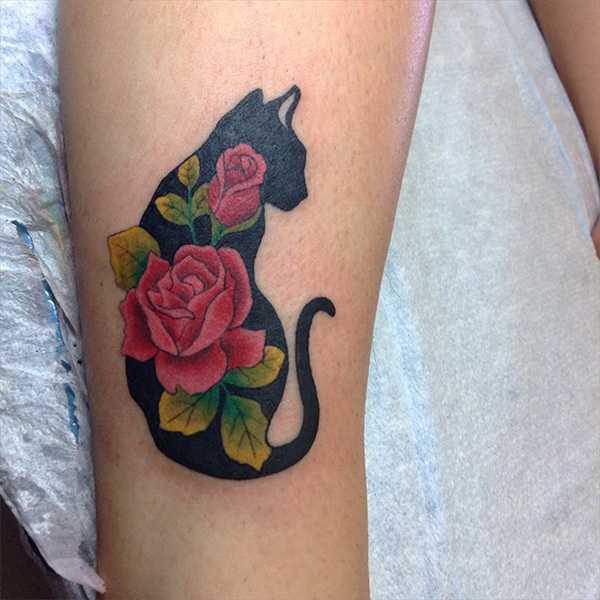
When cat ink designs are combined with natural elements such as flowers, plants, leaves, or scenic nature backgrounds, they create a harmonious and vibrant image. Cats, with their flexible and free nature, can easily blend with these elements to express the connection between animals and nature, much like the symbolism behind a dog paw tattoo. For example, a feline tattoo placed beside lotus flowers or roses can symbolize purity, protection, and growth. Plants, leaves, or other natural motifs can create a harmonious space where the feline is not just an animal but also an integral part of the natural world, symbolizing freedom and the strength of survival.
Felines Combined with the Moon and Mystical Elements
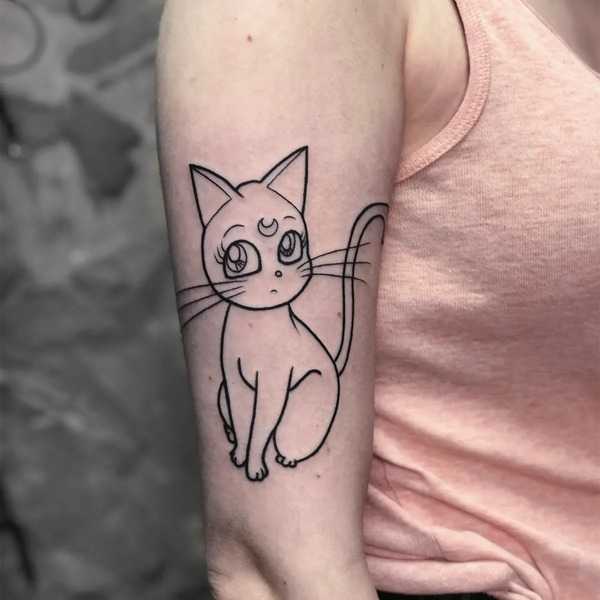
The moon is an especially popular element in feline tattoo designs, particularly when it comes to black feline tattoos. The moon is deeply connected to mythology, mysticism, and the spiritual realm. When combined with cats, the moon can accentuate the connection between the feline and supernatural elements, offering spiritual protection and reflecting personal growth in the cosmic environment. A cat and moon ink piece is not just a combination of two natural elements but also a reminder of the existence of invisible forces in the universe.
Additionally, feline tattoos combined with other mystical elements like stars, magical symbols, or abstract patterns are also very common. These designs help express the bond between felines and mythical forces while creating an enigmatic, captivating atmosphere.
Cats and Cultural Elements
Felines are not only found in the natural world but also serve as powerful symbols in many cultures. When cat body art is paired with distinctive cultural elements, they can convey profound messages about beliefs and traditions. For example, the Maneki Neko cat, combined with a gold coin or other elements from Japanese culture, brings good luck and prosperity. Similarly, black cat tattoos combined with Western symbols like crosses or flames can symbolize protection, purification, and the ability to ward off evil.
Combining felines with other cultural symbols not only creates visually stunning body art but also carries deep spiritual, traditional, and historical values. These designs reflect personality and help the wearer feel strongly connected to the cultural heritage they revere.
Felines and Abstract Art Elements
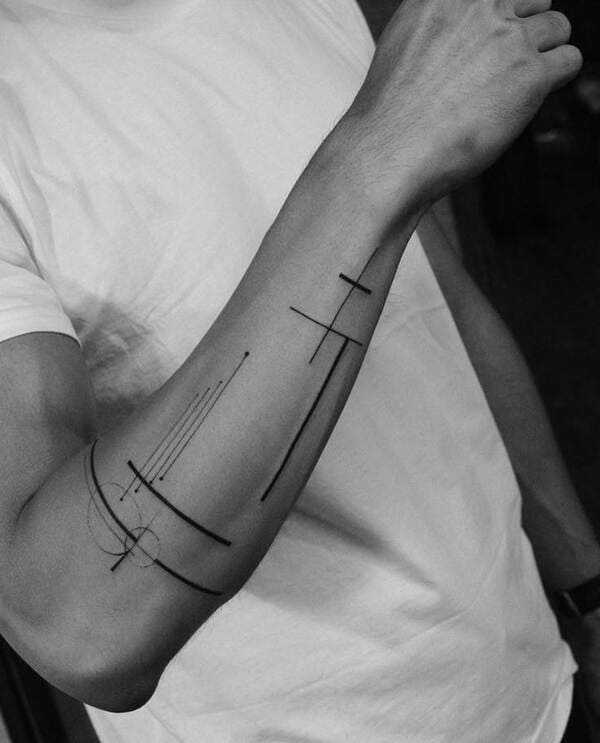
Feline body art in abstract and artistic styles is a creative choice for those who love modern art and breaking conventions. These ink designs often don’t follow specific patterns but may combine geometric shapes, flowing lines, or free-form designs. When cats are integrated with abstract elements, it not only showcases creativity but also offers a striking, unconventional visual appeal. These elements express the individuality of the wearer, transforming the body art into a limitless piece of art.

Cat tattoo can be combined with countless other elements to create pieces that are not only visually stunning but also deeply meaningful. From integrating natural motifs, the moon, and mystical elements to cultural symbols and abstract art, each combination tells its own unique story. These combinations not only make cat tattoos special but also convey profound spiritual values, from protection to freedom, mystery, and endless creativity. A feline design, when combined with these elements, becomes a rich and multidimensional expression of both aesthetics and inner values. So, if you want to express freedom, mystery combined with femininity and loveliness, come to HolisticInk – where all your tattoo ideas can come true.
From the mysterious black cat tattoo to free-spirited wild cats, or designs incorporating elements like flowers, the moon, and symbolic patterns, each cat body art piece offers a unique meaning and style. Whether you’re looking for a gentle, cute design or a powerful artistic masterpiece, a feline tattoo is always a perfect choice to express your personality and personal story. Let your feline body art be not only a part of your body but also a symbol that connects you to spiritual values, mysticism, and natural strength.