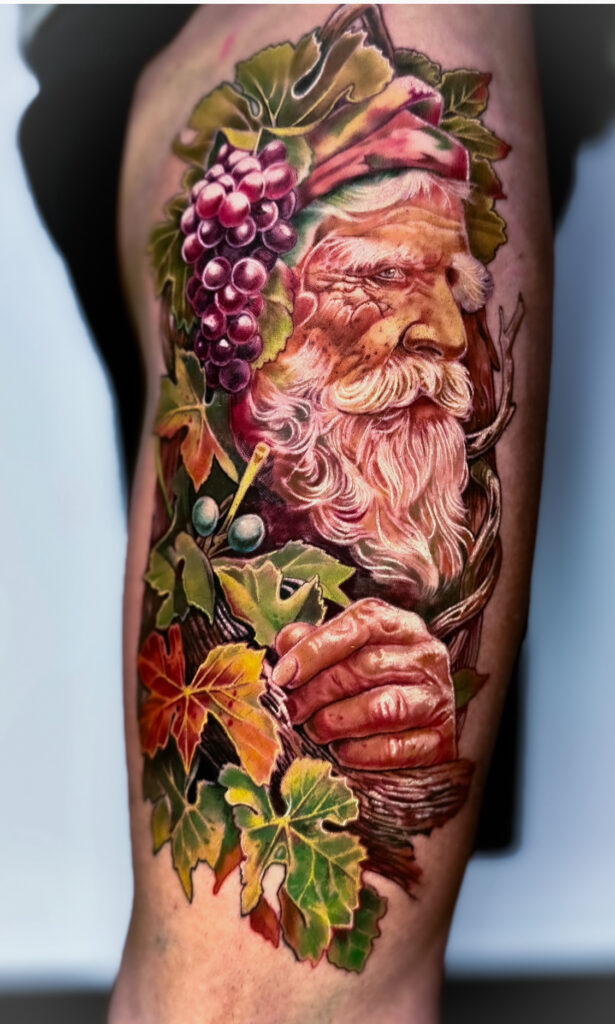
A flash tattoo is a ready-made design that an artist draws ahead of time, then inks as drawn or with a small tweak. That makes the process quick, the price easier to see up front, and the whole thing a good fit for walk-ins. This guide from Holistic Ink in Boston walks through 10 classic designs and what each one means, then helps you choose a style, a spot on your body and a plan for healing.
Flash Tattoo Designs and Their Meanings by Holistic Ink
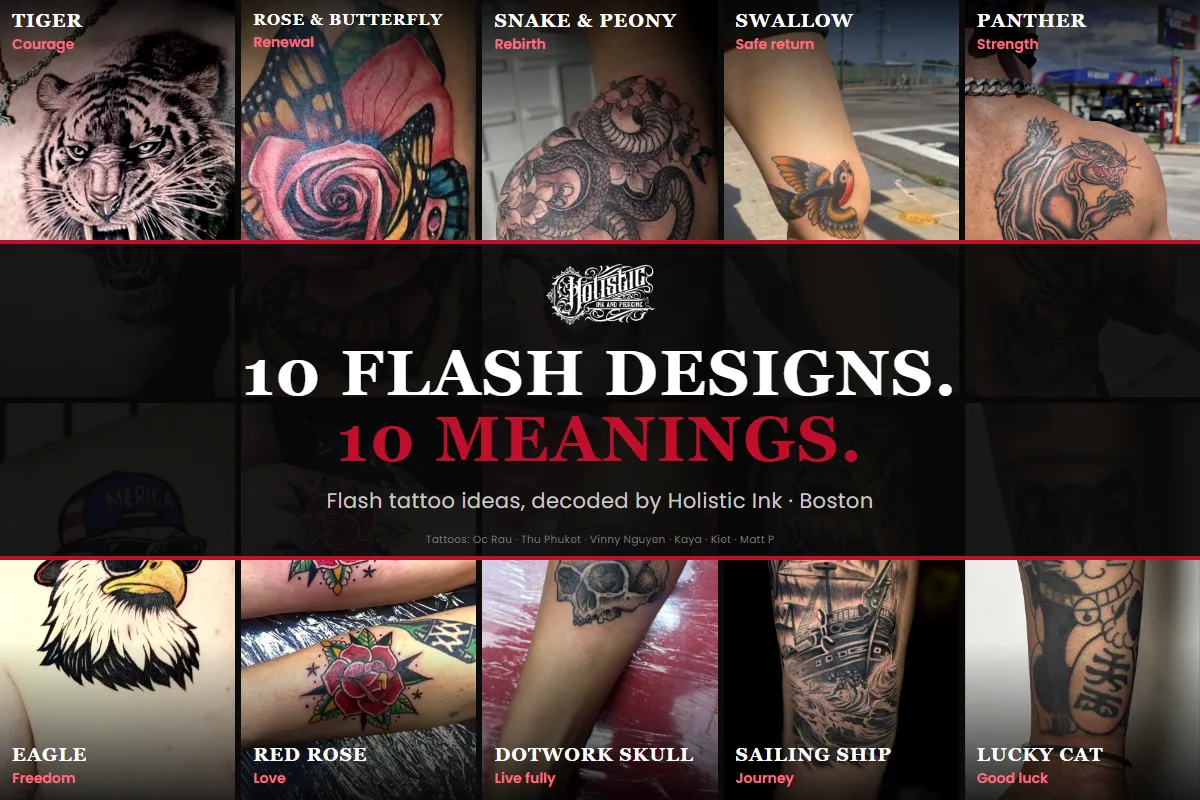
The word flash goes back to the painted sheets that old tattoo shops hung on their walls, so a client could point at a design and say, “That one.” Traditional pieces stayed popular because bold outlines and simple shapes hold up well as skin changes over the years. What a design means matters more than the trend it rides on, since you’ll be wearing it for a long time. At Holistic Ink we don’t keep a flash sheet of our own, so the 10 pieces below are finished work from our artists and clients, shown as examples of how each idea can look on skin.
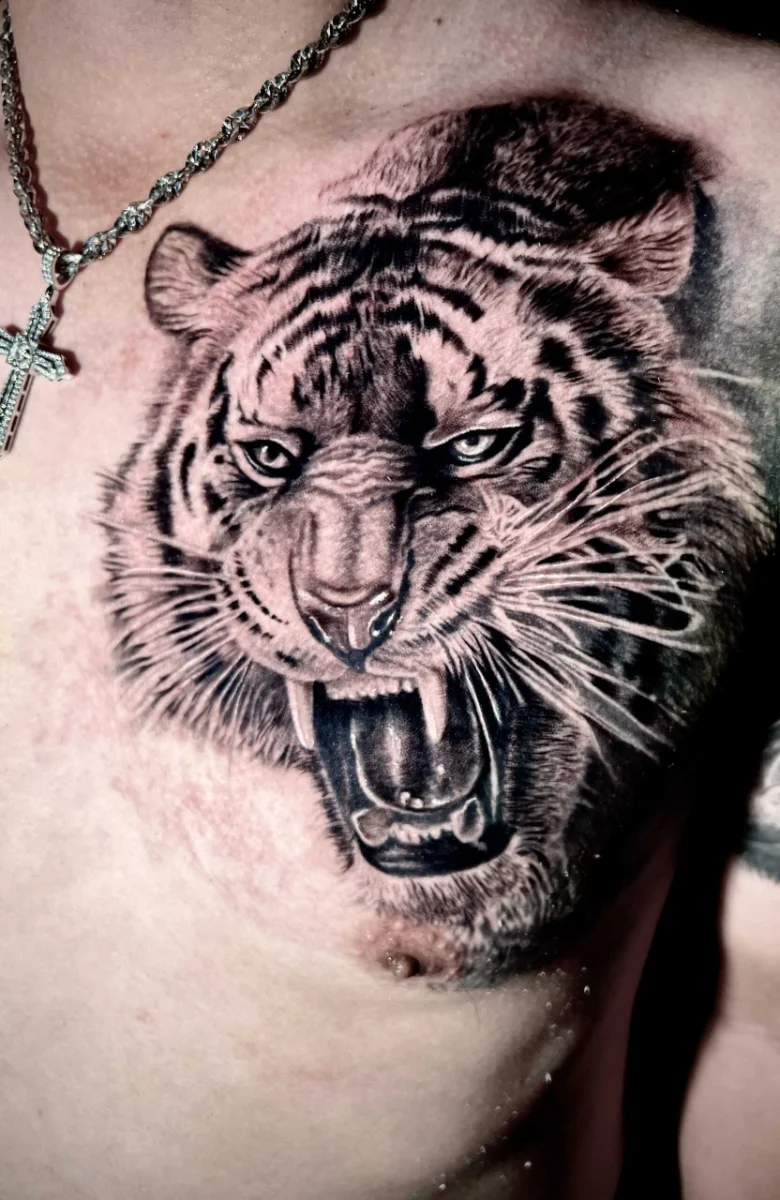
Black and Grey Realism Tiger
This tiger sits on the chest, with a roaring mouth and a paw reaching out of the frame. Soft grey shading builds the fur and stripes, running from deep black to pale highlights. Tigers have long been tied to strength and courage, and many people choose one to mark a time they got through something hard. It’s a good pick if you like a lifelike look and have a bigger area to work with. Our artist Oc Rau drew this one, and a large, well-shaded piece like it needs room to show its depth.
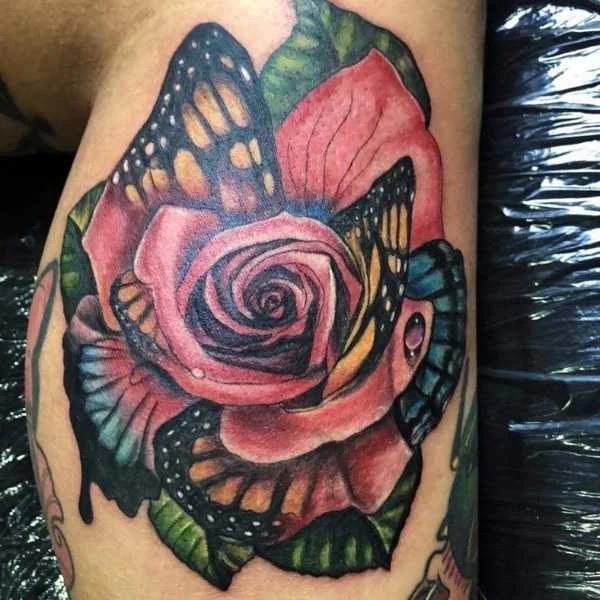
Color Realism Rose and Butterfly
A large pink rose fills this shoulder, and an orange butterfly rests across its petals. The colors blend smoothly from one shade into the next, which gives the flower a soft, almost painted feel. The rose is tied to beauty and love, while the butterfly points to change and starting a new chapter. Together they suit someone marking a fresh start. Thu Phuket created this piece. Color work like this does best when you protect it from the sun once it has healed.
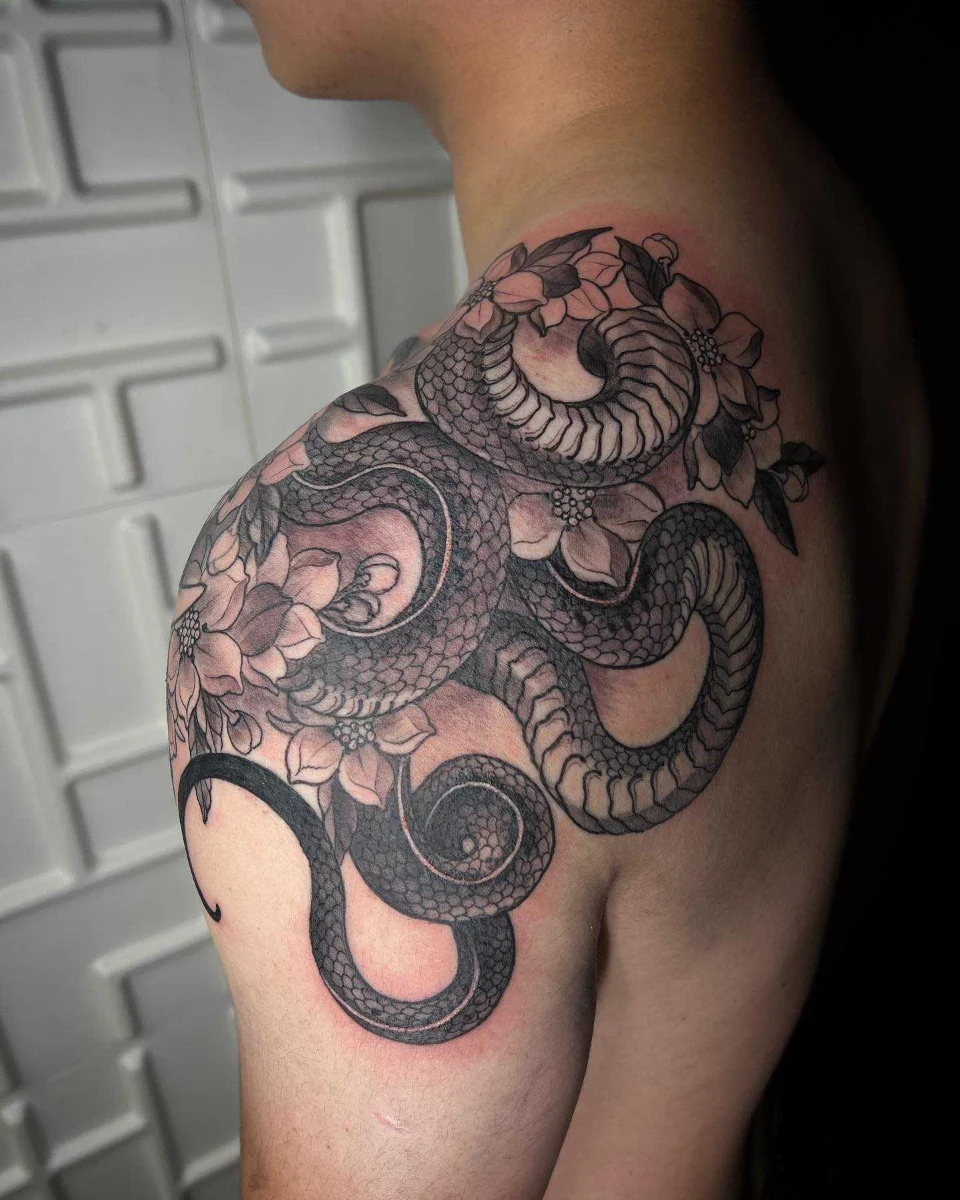
Japanese Irezumi Snake and Peony
On this shoulder, a black snake curls around a cluster of peonies, kept easy to read by a heavy outline. In Japanese art the snake often points to rebirth and watchfulness, since it sheds its skin and moves quietly. The peony adds courage and a touch of luck. Put together, they say you’ve changed and you’re still alert. Vinny Nguyen drew this one, and the design flows well with the curve of the shoulder. It’s a good starting point for a larger Irezumi piece later.
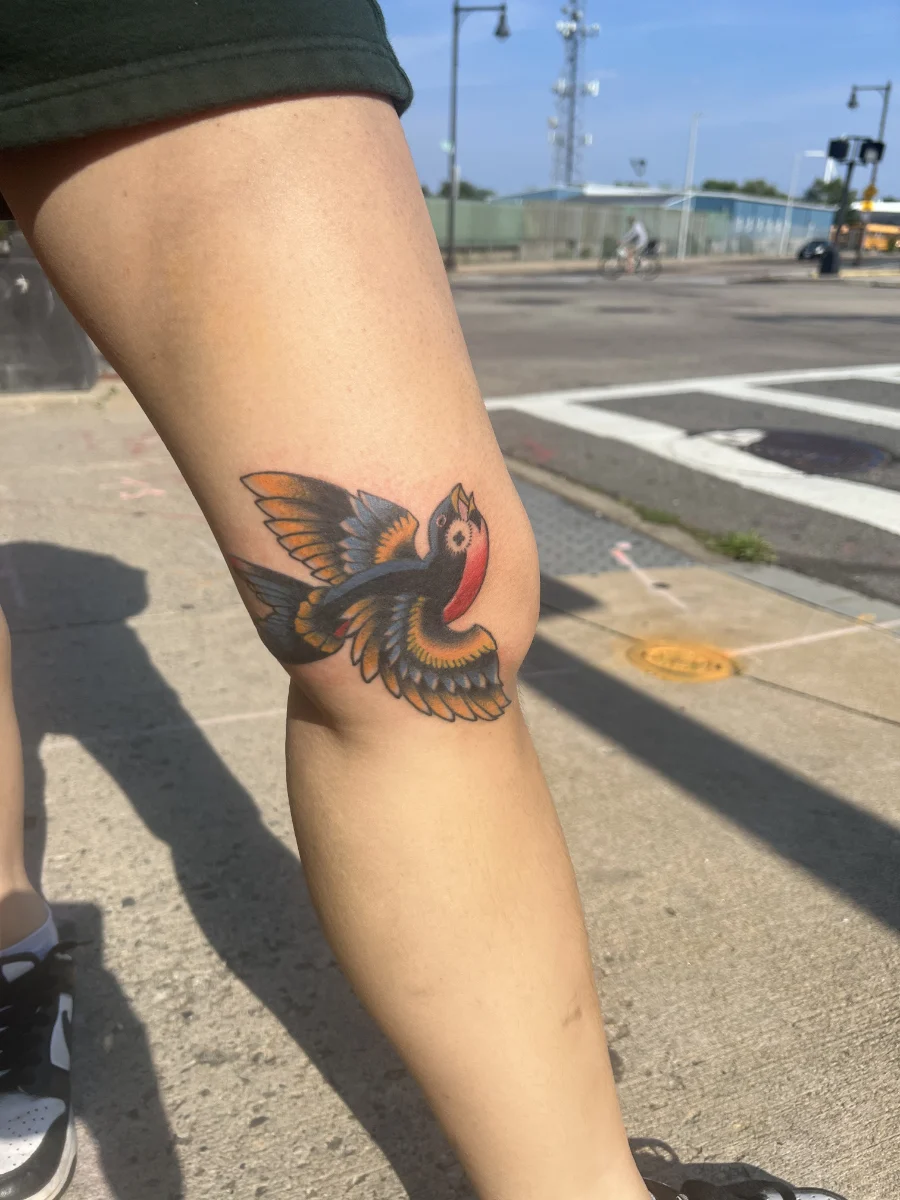
Classic Traditional Swallow
The swallow is one of the best-known designs in old-school tattooing. This one has open wings, a red, yellow and blue palette and a thick black outline. Sailors used it to mark a long trip across open water, and the bird’s habit of finding its way home gave it a second meaning, a safe return. That makes it a thoughtful gift to yourself after a long trip or a big move. Kaya did this piece on the lower leg. It’s small enough for a first tattoo, and the bold outline helps it stay clear over time.
Old School Panther
A black panther crawls across the upper back here, drawn with a heavy outline and solid, packed shading. The cat is a classic of the old-school repertoire, and it usually reads as strength and protection. That dark mass gives the piece weight and stands out from a distance. Kaya drew this one. It’s a great pick for anyone who wants a design with attitude and doesn’t mind a larger area. A few small accents of color can keep the black from swallowing the shape.
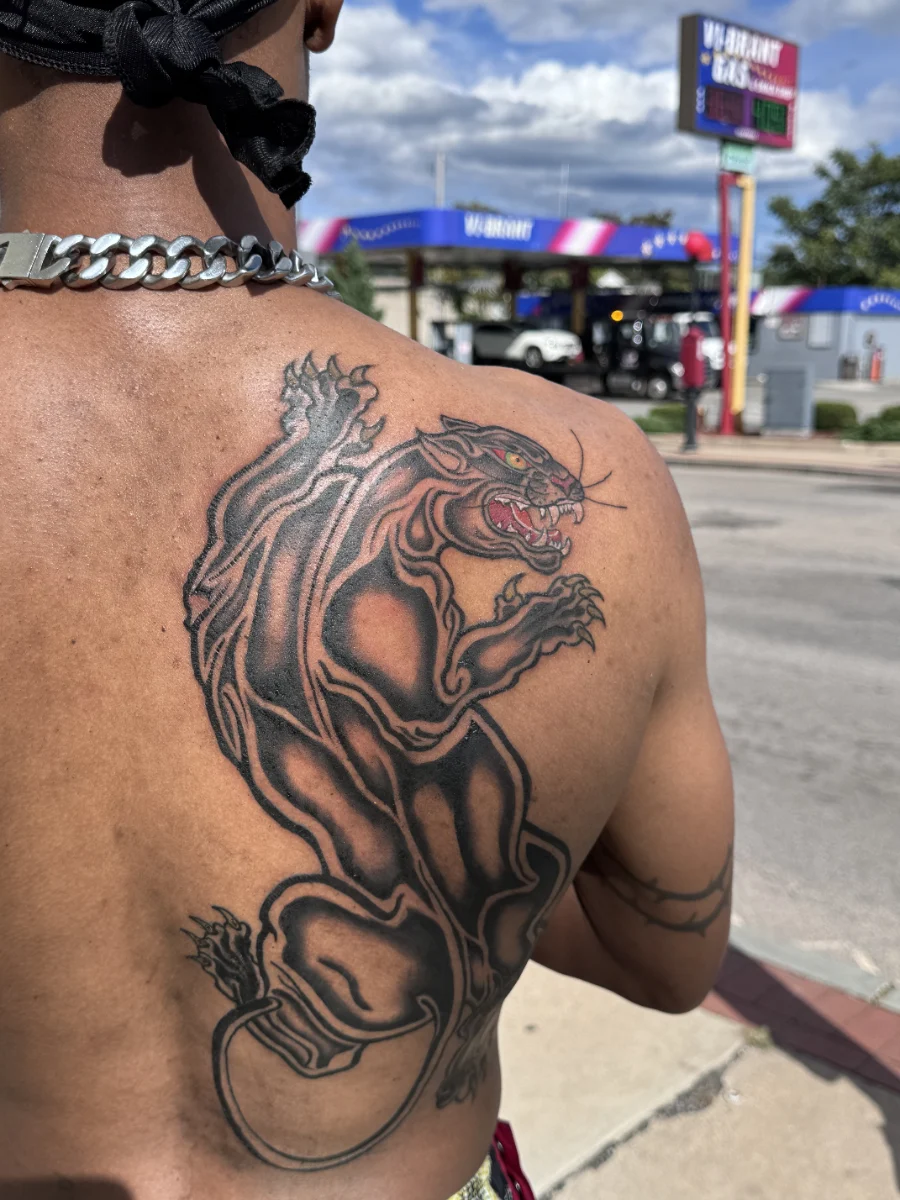
Neo-Traditional Eagle With Sunglasses
This eagle wears a cap and a pair of sunglasses, and the word MERICA sits right beside it. Kiet gave the bird a thick outline and a playful face, which keeps the classic eagle feeling while adding humor. The eagle itself points to freedom and pride, and the sunglasses make it clear the wearer doesn’t take life too seriously. It sits well on the shoulder blade, where the round shape has room. If you want a design that makes people smile, this is the one.
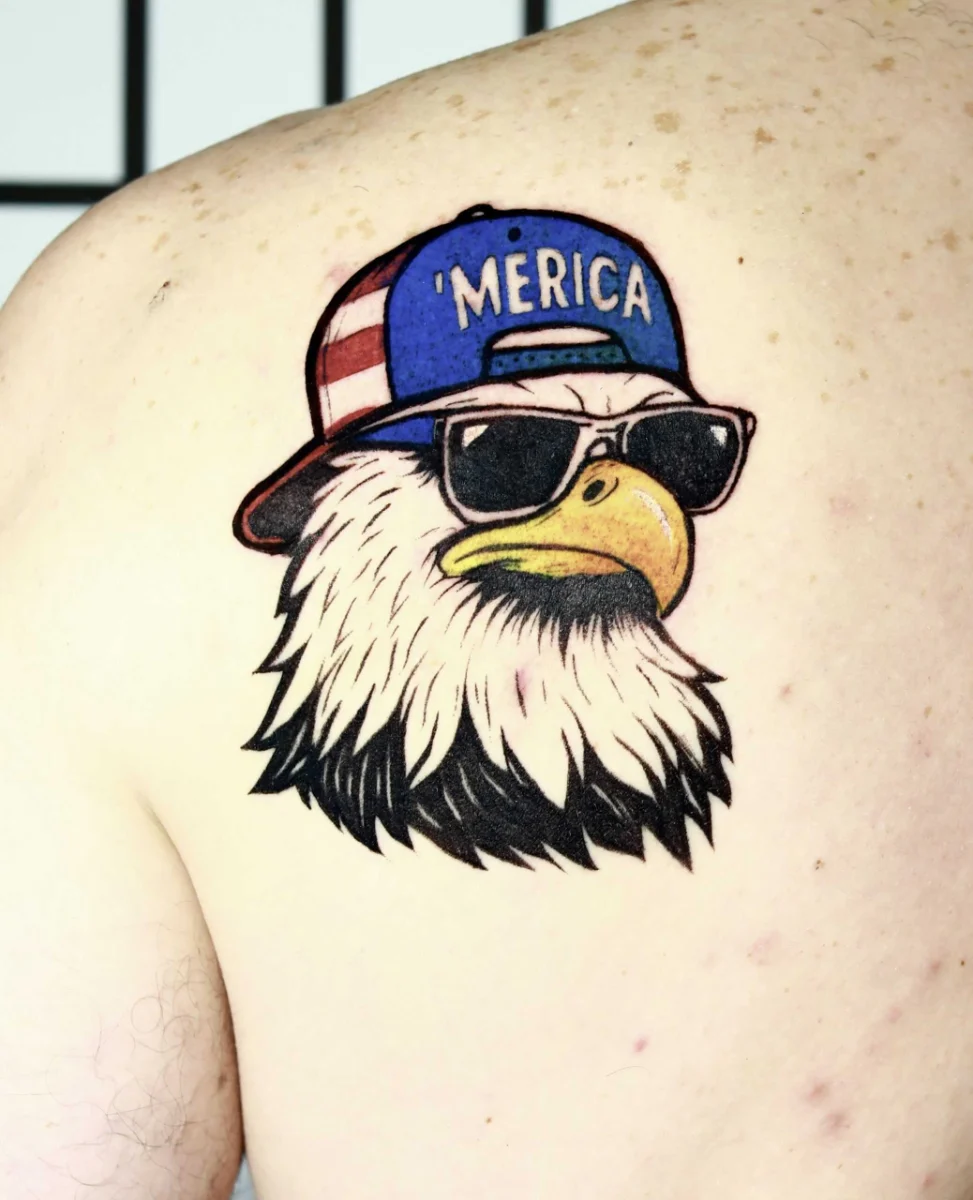
Traditional Red Rose With Stars
A pair of red roses with green leaves and a few small stars sit on both forearms, almost like a mirror image. The red rose is a staple of the traditional style and means love and passion, while the stars add a bit of luck. A matched pair like this can work as a set that two people share, or just a balanced look on both arms. Thu Phuket drew these. The simple palette and thick line help them stay readable for years.
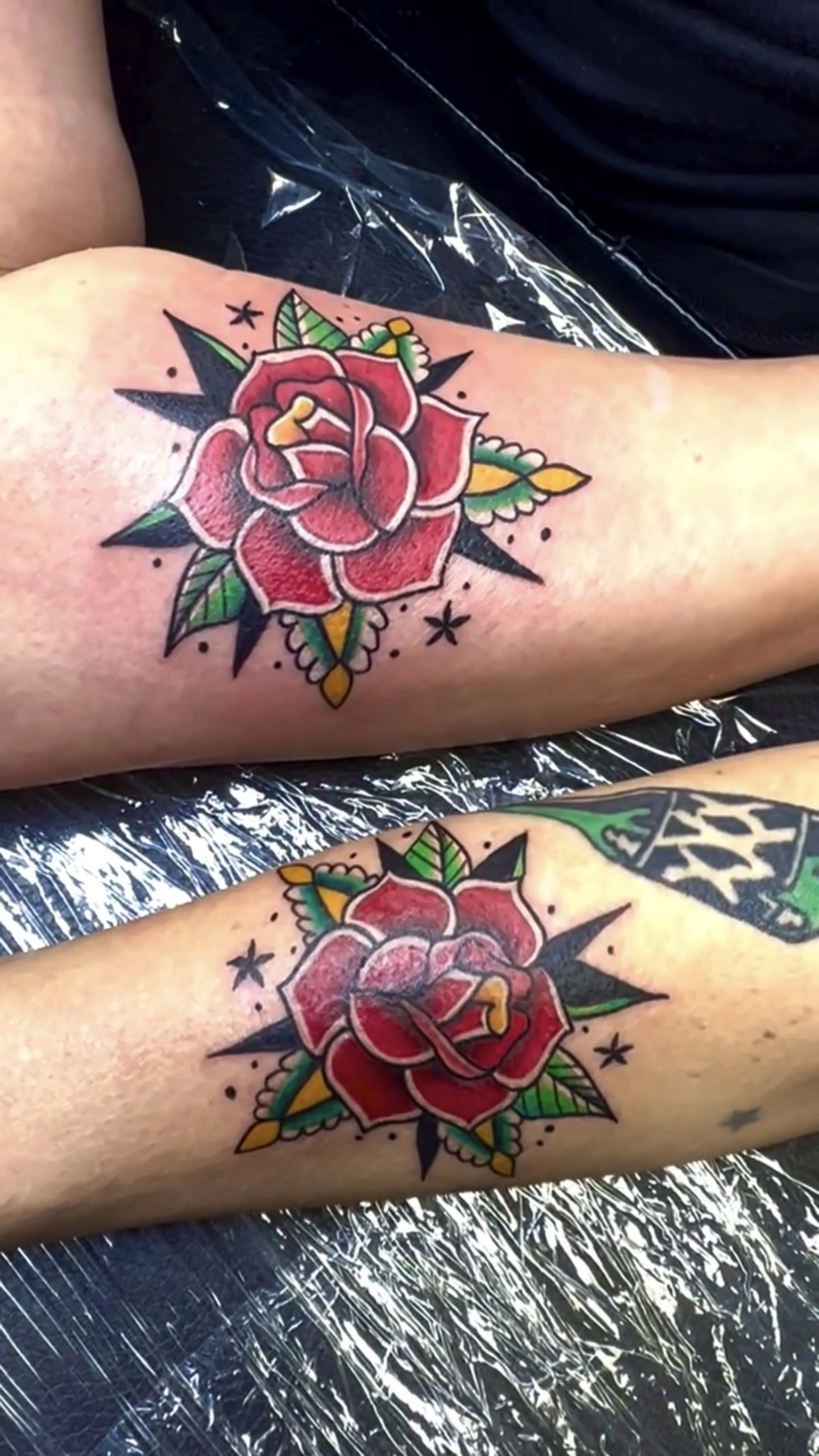
Dotwork Skull
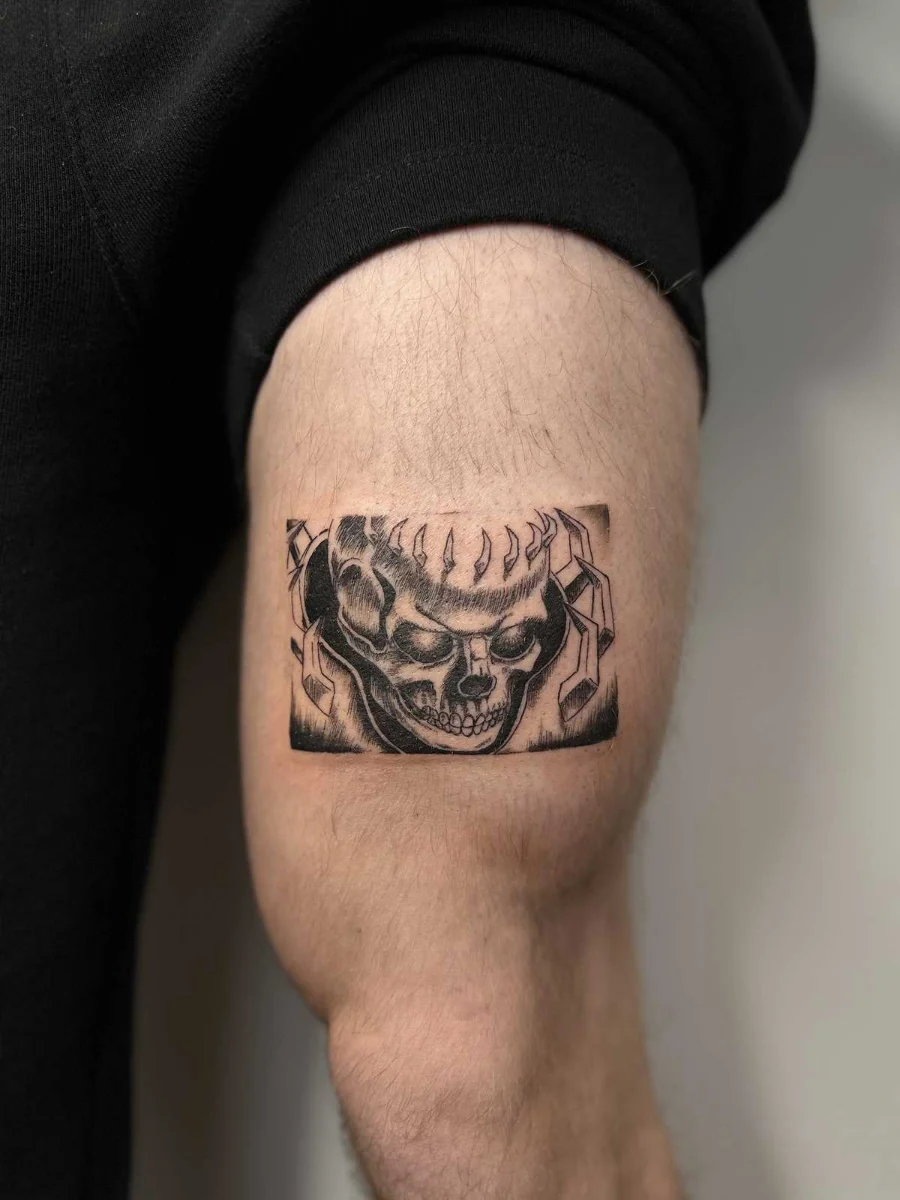
A small skull built from tiny dots sits on the forearm, in soft grey and black. Skulls have been used for centuries as a reminder that life is short, so many people take one to mean living fully rather than something grim. Kaya made this piece with fine dots instead of a heavy outline, which gives it a quieter feel. Its small size fits a forearm or a wrist with room to spare. It’s ideal for anyone who likes darker imagery but wants a calm, tidy look.
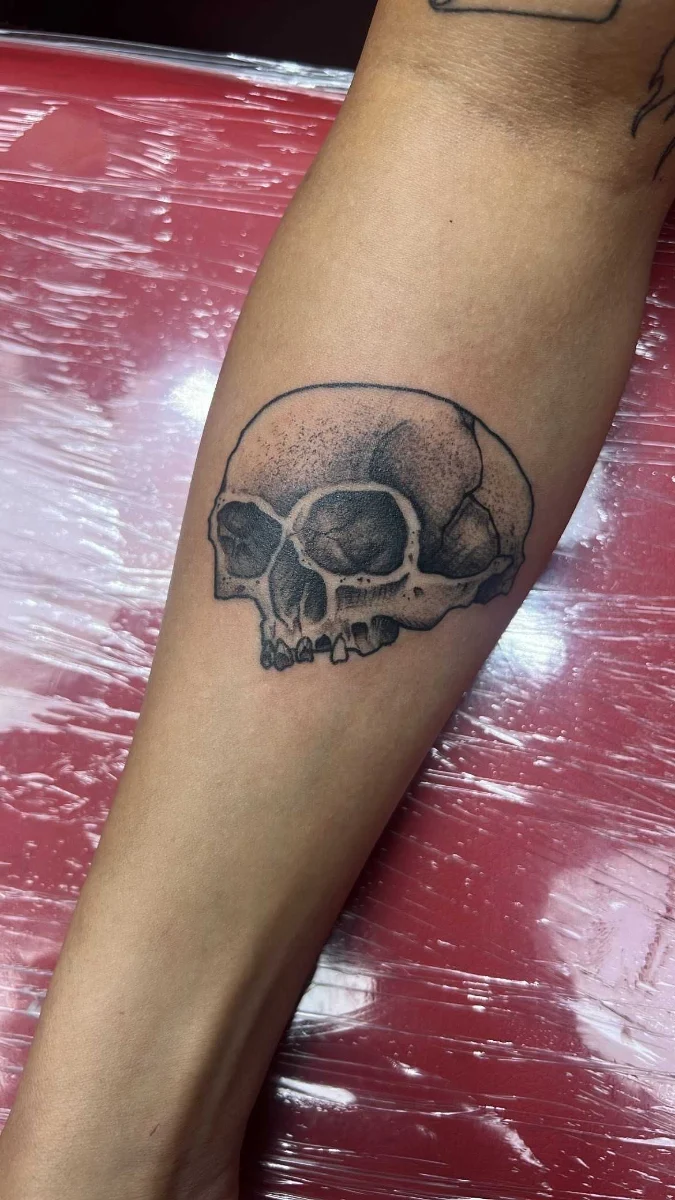
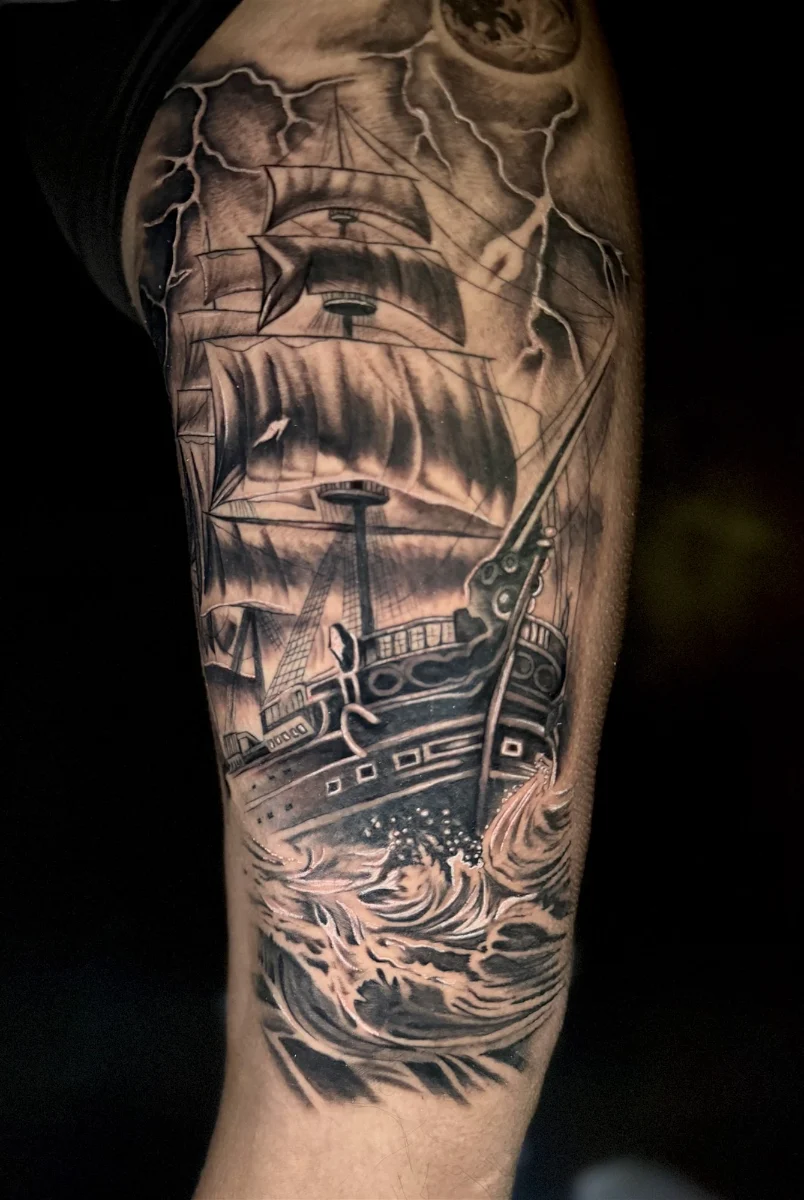
Black and Grey Sailing Ship
A sailing ship rides the waves under heavy storm clouds on this thigh, with deep shadows that give the sails some weight. Ships mean a long trip and a safe return home, which is why sailors treasured them. A client shared this photo in a Google review, and it shows how a classic idea can look softer when it’s done in grey tones. A thigh gives the design room to show off its rigging and waves. It’s a fitting choice for anyone marking a move or a major change.
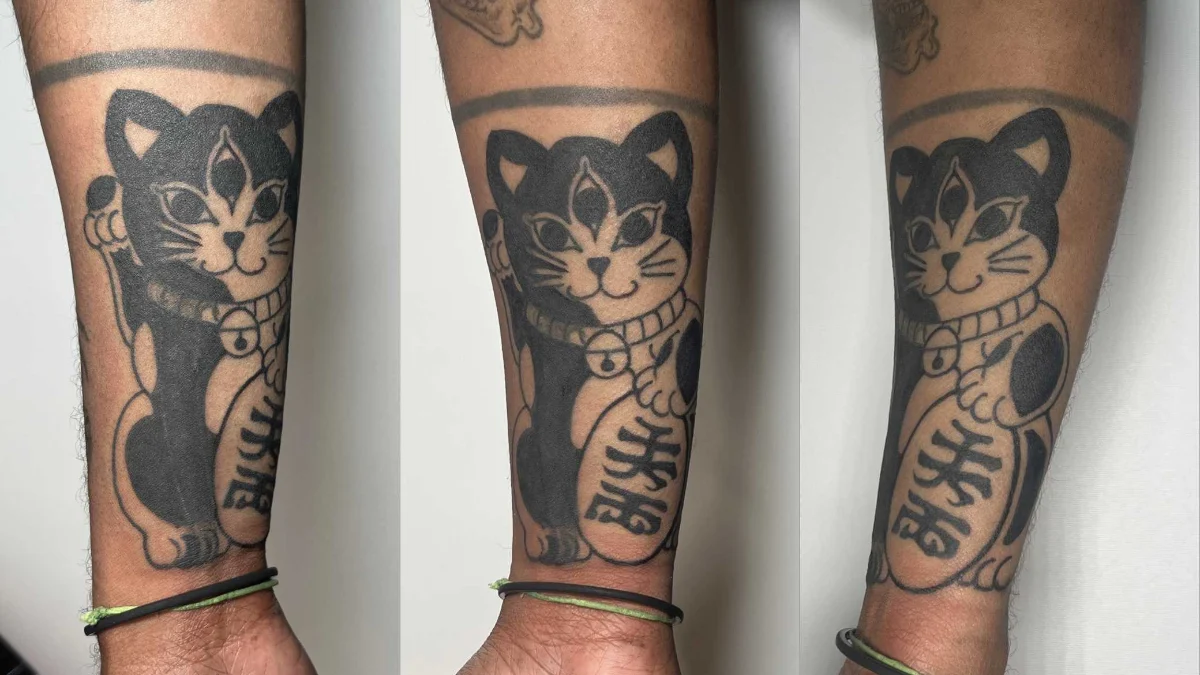
Lucky Cat With Kanji
A black lucky cat raises one paw on the forearm, with Kanji written beneath its feet, and this image shows the same design from 3 angles. The beckoning cat is a Japanese symbol of good luck and welcome fortune, and the Kanji can name a wish, a word or a person’s meaning. Kaya drew it clean and bold so the writing stays readable. It’s a good fit for anyone who wants a small, cheerful design with a personal touch, and the forearm shows it off nicely.
Choosing a Style for Your Flash Piece With Holistic Ink
Any design can be inked in more than one style, and the style changes how it looks, how it ages and how long it takes. Our artists at Holistic Ink focus on 3: Black and Grey Realism, Color Realism and Japanese Irezumi. The table below shows how each one treats the same kind of idea, so you can see which one fits your plans.
| Style | How it looks | Best size and placement | How it ages | Best for |
|---|---|---|---|---|
| Black and Grey Realism | Soft shading, little or no outline | Medium to large; chest, thigh, upper arm | Holds depth with good sun care | A lifelike look in a single tone |
| Color Realism | Smooth color blends, natural shades | Medium to large; shoulder, forearm, calf | Needs steady sun care to keep blends | Vivid subjects with real depth |
| Japanese Irezumi | Bold outline with flowing backgrounds | Large; back, sleeve, shoulder | Holds well on big, connected designs | Pieces that follow the shape of the body |
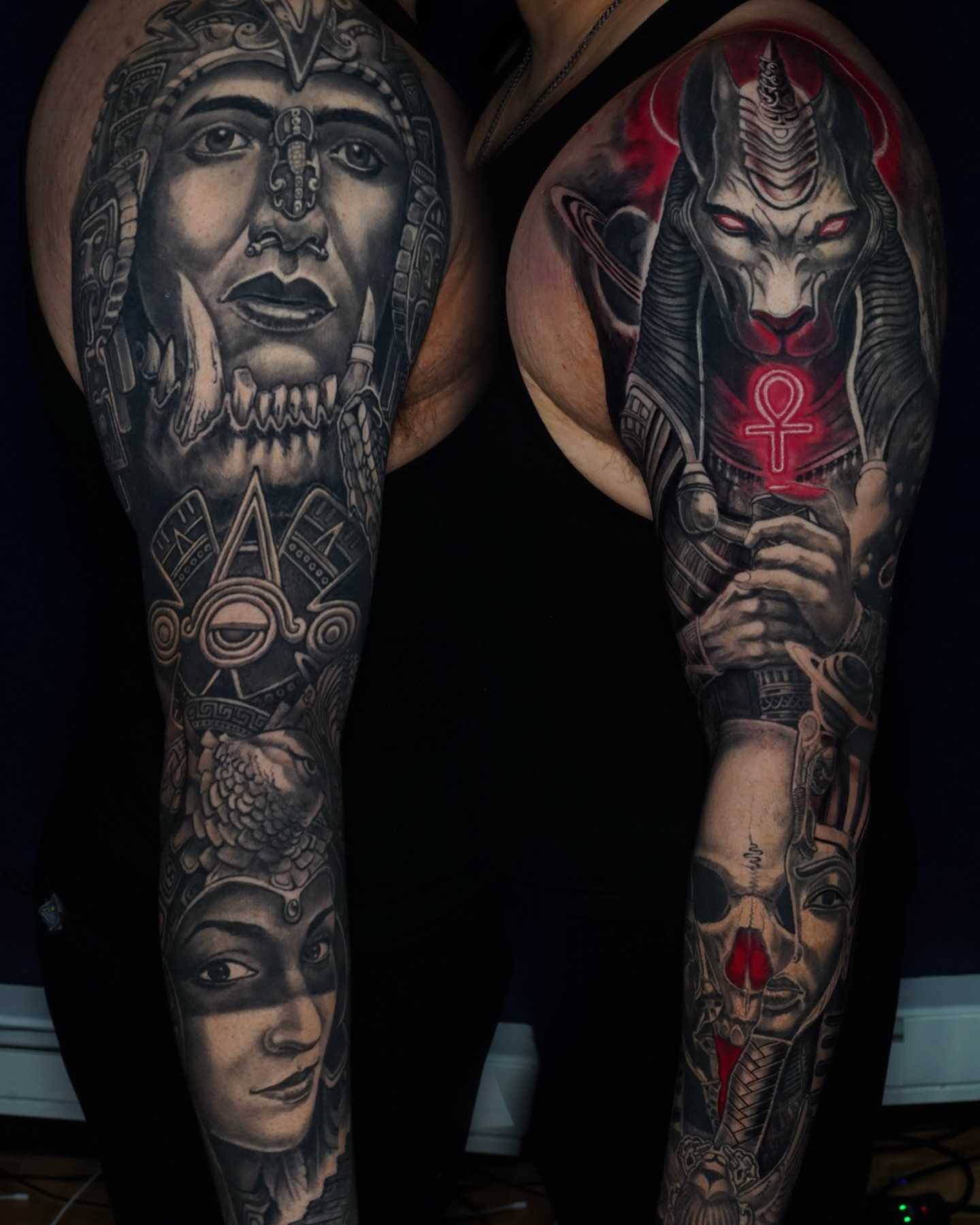
Black and grey realism trades the thick outline for gradual shading. Vinny Nguyen’s Egyptian sleeve below shows how much volume that shading can build across a big surface. It needs enough size to show its detail, so very small pieces rarely work.
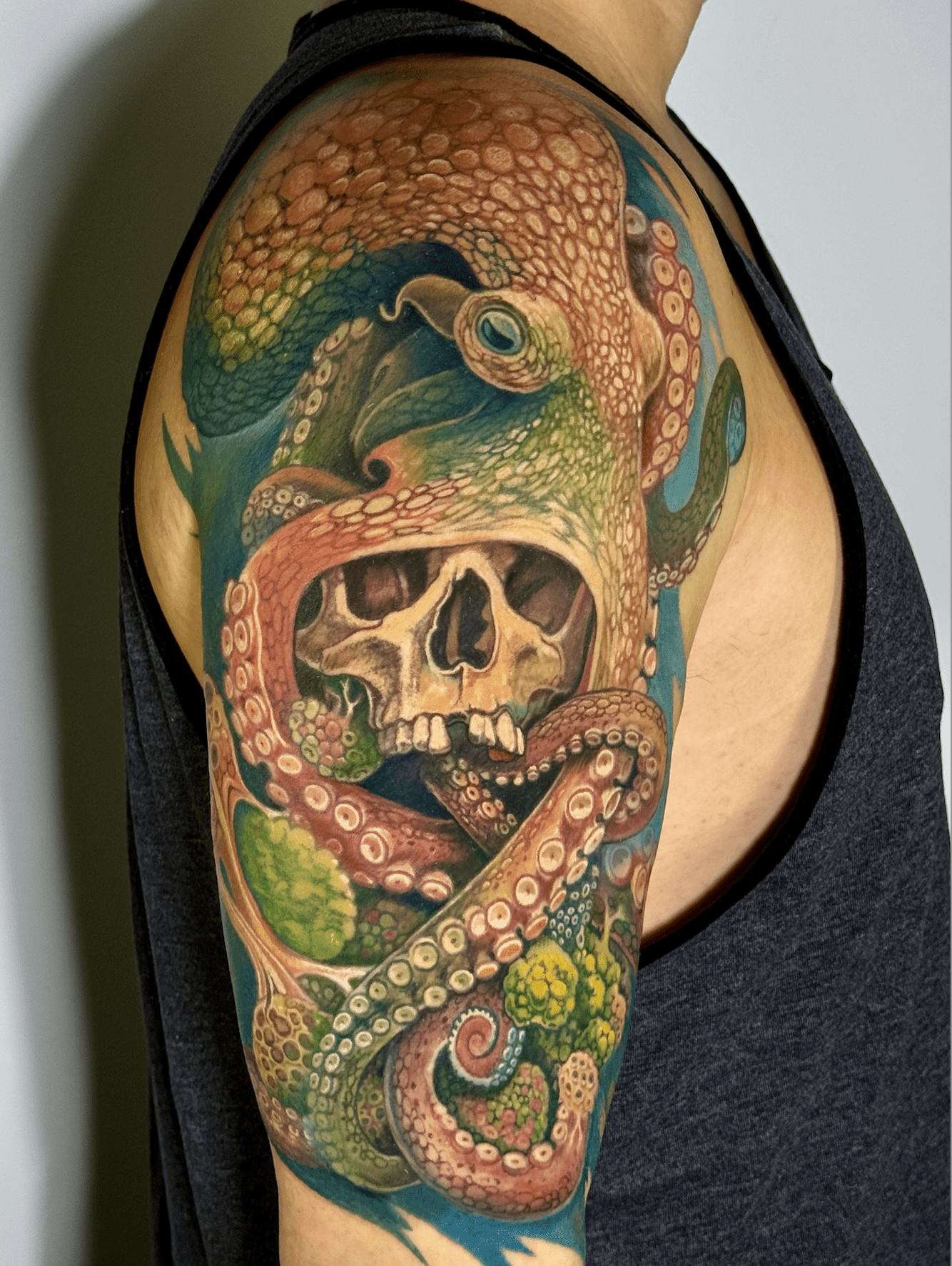
Color realism keeps the same bold subjects but uses true-to-life color. The octopus and skull on this shoulder get rich blues and oranges, and the soft blends make it read like a living creature. That range is wider than a simple palette, though it asks for more care in the sun.
Japanese work shares the bold outline that traditional fans love, and it adds a flowing background of clouds, waves or flowers. The hannya sleeve below shows how that background ties everything into one shape. If you like bold lines but want something bigger, it’s a natural next step.
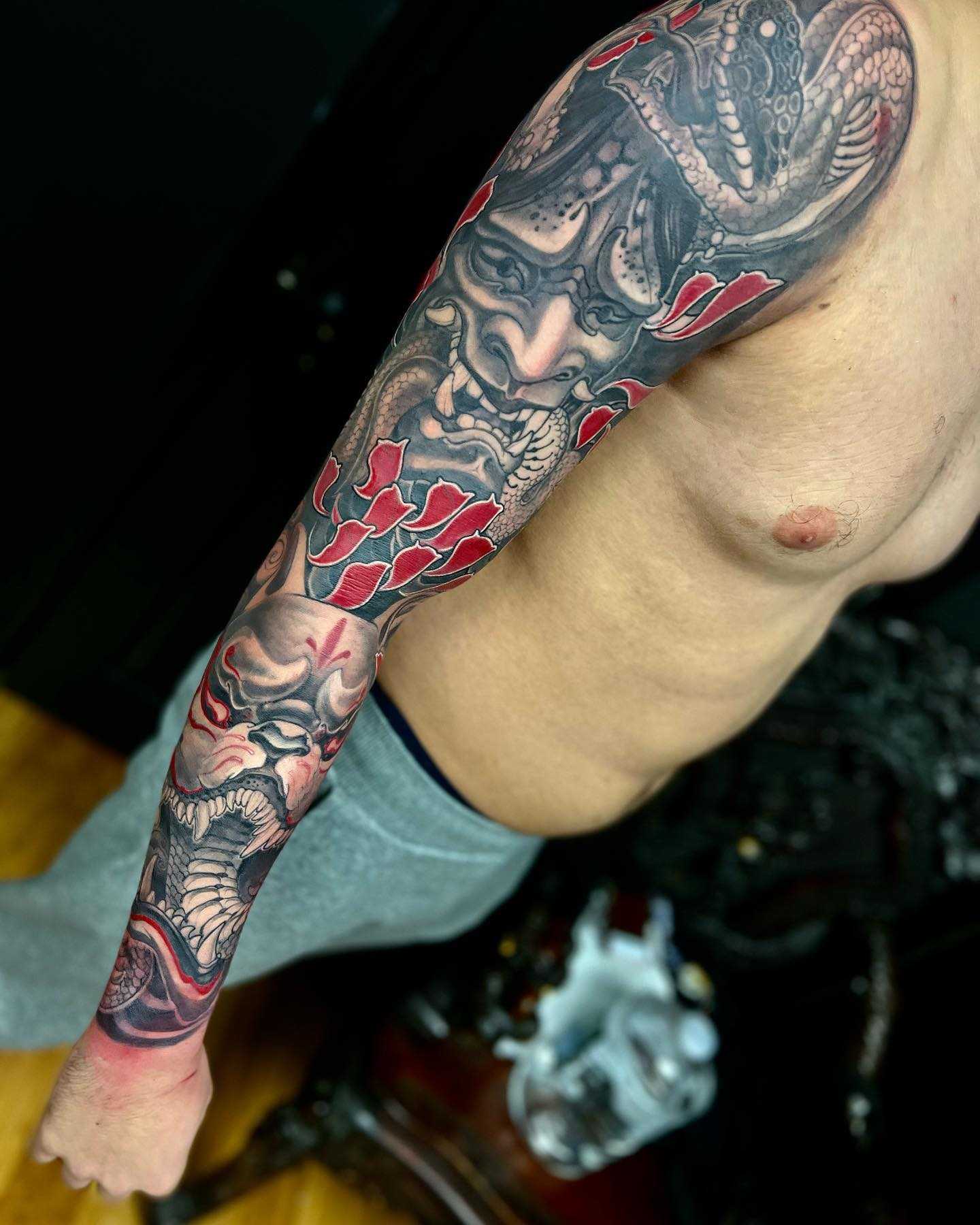
A classic bold design is still a solid choice when you want a small piece, a quick walk-in session or a price that’s easy to see up front. Tell your artist which way you’re leaning, and they can show you how each style would treat the same idea.
Mistakes to Avoid and What Shapes the Price
Most problems with a ready-made design come from rushing the choice. These are the mistakes our artists see most often. Read through them before you walk in:
- Don’t pick a design just because it’s trending, since it should suit the spot you have in mind.
- Don’t shrink a design so far that its details blur together over time.
- Ask to see the stencil on your skin before the needle starts, even on a walk-in day.
- Look at healed photos of your artist’s work, along with fresh ones.
- Don’t assume 2 similar designs come from the same level of skill.
Price depends on several things, not a flat rate. Size comes first, then how much detail the design has, how many colors it uses, where it sits on your body and how long it takes. A small design with simple lines takes less time than a large shaded one, so bold, compact pieces often cost less. We don’t list numbers here because only an artist can price a piece after seeing the design and the spot, so ask at a consultation.
Bold outlines tend to age well, and a thick line stays readable longer than a very fine one. Even so, skin changes, and colors like yellow and red can soften in the sun. A touch-up can bring them back, and daily sunscreen on a healed tattoo does more for the look than any other step.
Best Placement for Your Design
Not every spot suits every design. Tall, narrow pieces follow the forearm or the calf, while wide ones like a ship or an eagle need room on the shoulder or the thigh. The table lists common areas, a general pain level and the designs that tend to fit.
| Area | Pain level | Design that fits | Style that suits |
|---|---|---|---|
| Forearm | Low to moderate | Swallow, rose, skull, lucky cat | Traditional, dotwork |
| Shoulder | Low to moderate | Eagle, snake and peony, rose | Neo-traditional, Irezumi |
| Calf | Moderate | Panther, tiger, ship | Traditional, black and grey |
| Thigh | Moderate | Ship, large skull, roses | Black and grey, color realism |
| Ribs | High | Tall, narrow designs | Fine line |
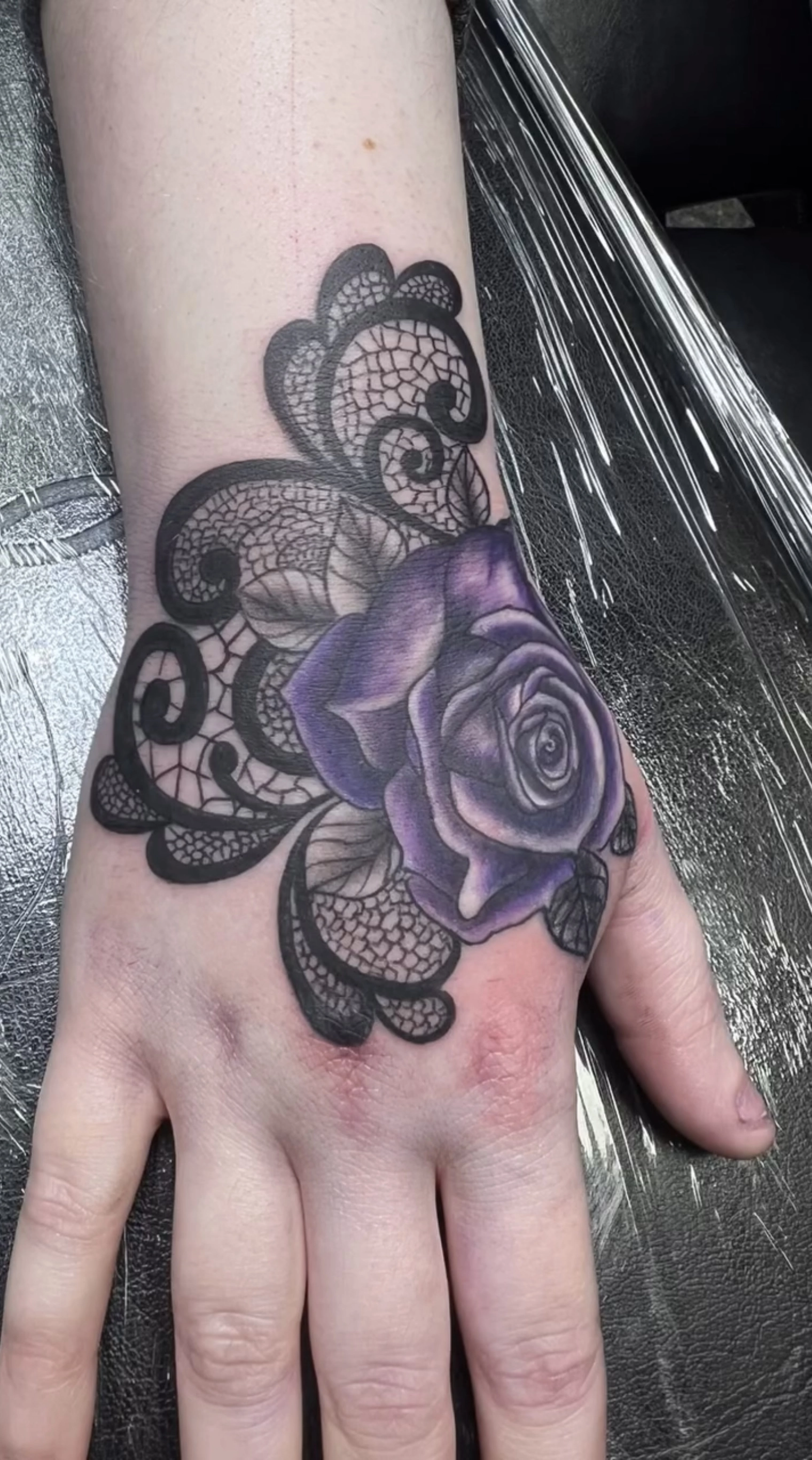
| Back of hand | High | Small flower or lace | Fine line, traditional |
Pain varies by person, so treat that column as a rough guide. The forearm is a favorite first spot since the skin is flat and you can watch it heal. The thigh gives a larger and more forgiving canvas, and it’s easy to cover for work or show at the beach.
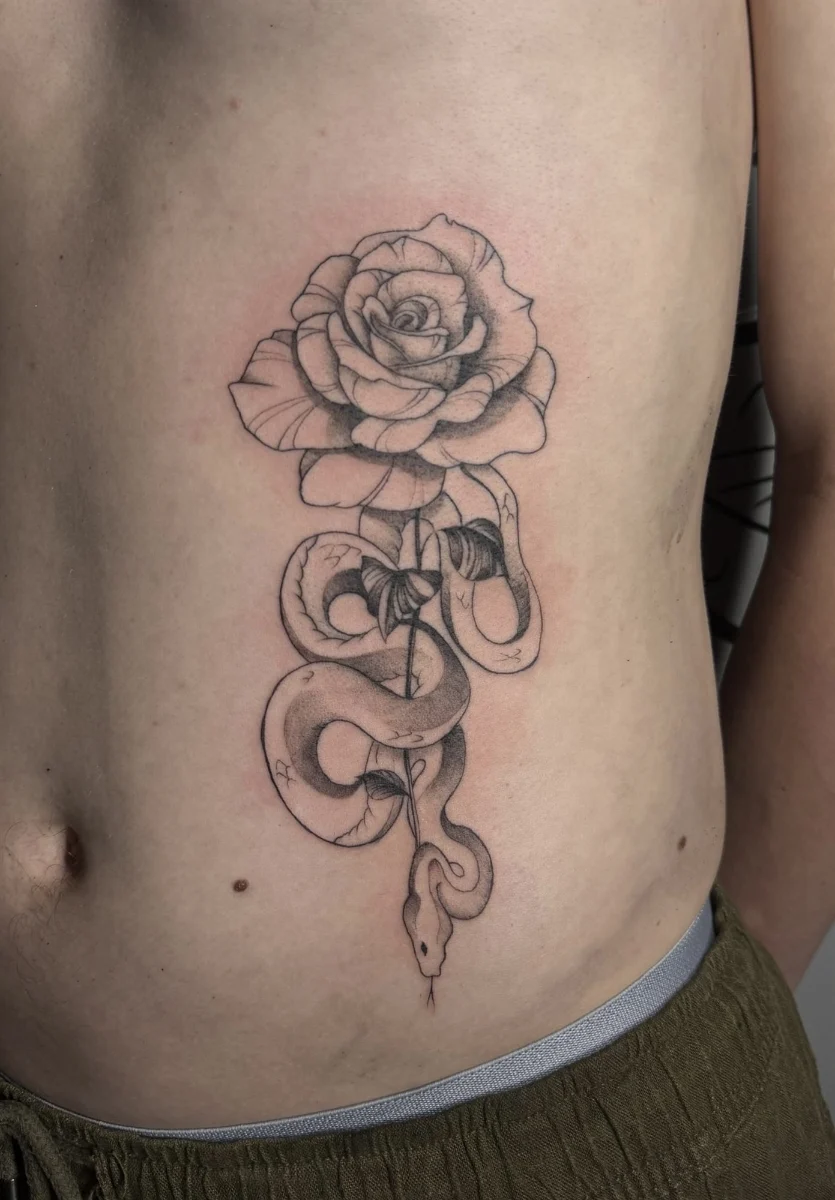
Ribs hurt more, but they give a tall, narrow design a long space to follow. The back of the hand is a bold choice that’s hard to hide, so think about your job and your daily life first. Tell your artist how you’ll wear the tattoo day to day, since a spot that rubs against a bag strap or a waistband heals differently.
From Consultation to Aftercare
The path from idea to healed tattoo has 5 stages, and the infographic below tracks the healing part of it, with a look at what happens under the skin. Knowing the order makes the process easier, especially for a first tattoo at Holistic Ink or anywhere else.
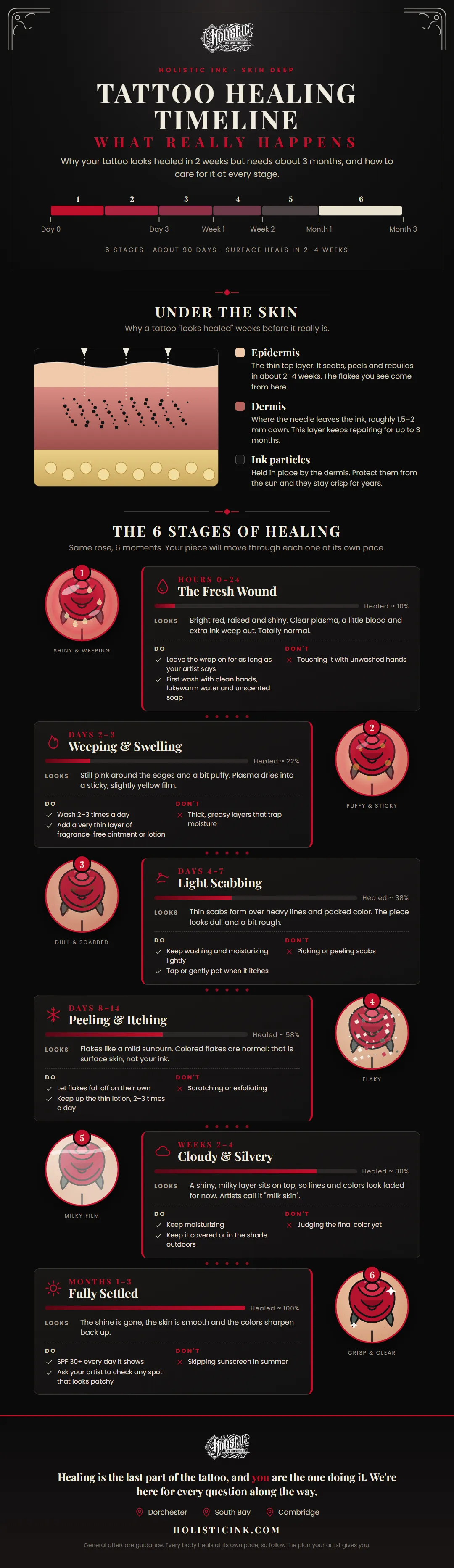
It starts with a consultation. You bring ideas, reference photos and the spot you have in mind, and your artist helps you decide whether to ink a design exactly as drawn or adjust it for your body. You don’t need every detail settled, since half the point of the visit is to refine it together. You should leave with a clear plan and no surprises.
Next comes the stencil, a transfer of the design placed on your skin. You stand up, move around and check it in a mirror, because a design that looks right on paper can sit differently on a curved arm. Ask for changes now, since moving it after the needle starts isn’t an option.
In the session, lines go in first, then shading or color. Expect some discomfort, so eat beforehand, stay hydrated and tell your artist when you need a break. Wear clothes that leave the area open without rubbing.
Aftercare begins right away, and the first 2 weeks matter most. Keep this list handy while your skin heals:
- Wash and dry the tattoo the way your artist showed you.
- Put on a thin layer of moisturizer, not a thick coat.
- Wear loose clothing over the area.
- Stay out of the sun, pools, hot tubs and the ocean.
- Don’t pick or scratch the flaking skin, since that can pull ink out.
- When it itches, tap it lightly instead of scratching.
Once the tattoo has healed, aftercare is easy. Wear sunscreen whenever it’s exposed, keep it moisturized, and book a touch-up when a color fades. Your artist at Holistic Ink is happy to check how a piece has settled, so keep the contact handy in case something looks off.
Frequently Asked Questions
What does the word flash mean in tattooing?
It means a design drawn ahead of time and ready to ink, usually on a sheet or in a book, so you can choose it without waiting for custom artwork. This has nothing to do with the metallic stick-on temporary kind sold in stores, which comes off in days. Studio work goes under the skin and stays.
Why are flash designs usually cheaper than custom work?
The artwork already exists, so the artist doesn’t spend hours drawing it for you. Set sizes also cut the time in the chair. Price still depends on size, detail and placement, so ask your artist for a quote at the consultation.
Are flash designs permanent or temporary?
A design inked by a studio artist is permanent, the same as any other tattoo. Only the stick-on kind is temporary, and it’s a different product. If you aren’t sure you want something for life, take time at the consultation and ask your artist about the options.
How long does a flash design take to heal?
The top layer of skin usually settles within a few weeks, but the deeper layers keep healing for longer, so the tattoo can look cloudy or shiny in between. Healing differs from person to person and depends on size and placement. Follow your artist’s aftercare notes and ask what to expect for your piece.
Pick Your Design and Start the Conversation
From the swallow to the lucky cat, each of these classics carries a meaning you can make your own. Choose the one that speaks to you, then think about where it will live on your body and how it will age. When you’re ready, book a consultation at Holistic Ink in Boston, and bring your reference photos. Our artists at Dorchester, Southbay and Cambridge will help you turn an idea into a piece that holds up for years.
Ready for a bigger piece?
Our artists are known for large-scale work in 3 styles. Start with the one that fits your idea:
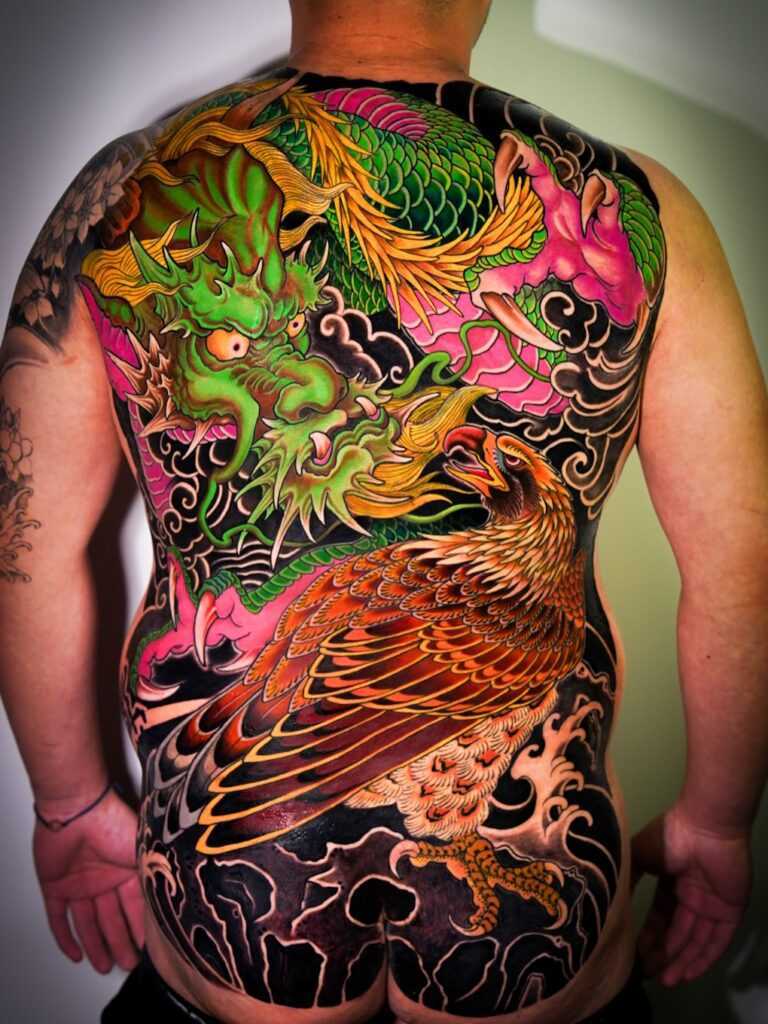 Best matchJapanese IrezumiDragons, koi, deities and full backpieces with traditional flow.
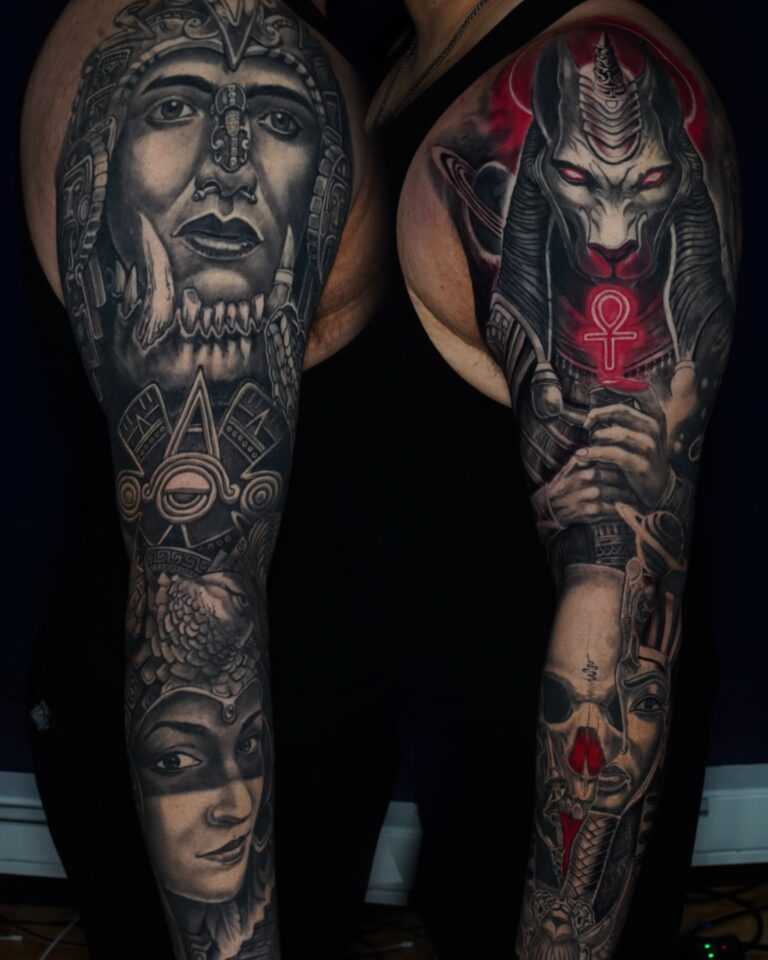 Black & Grey RealismPortraits, animals and sacred art in soft, deep shading.
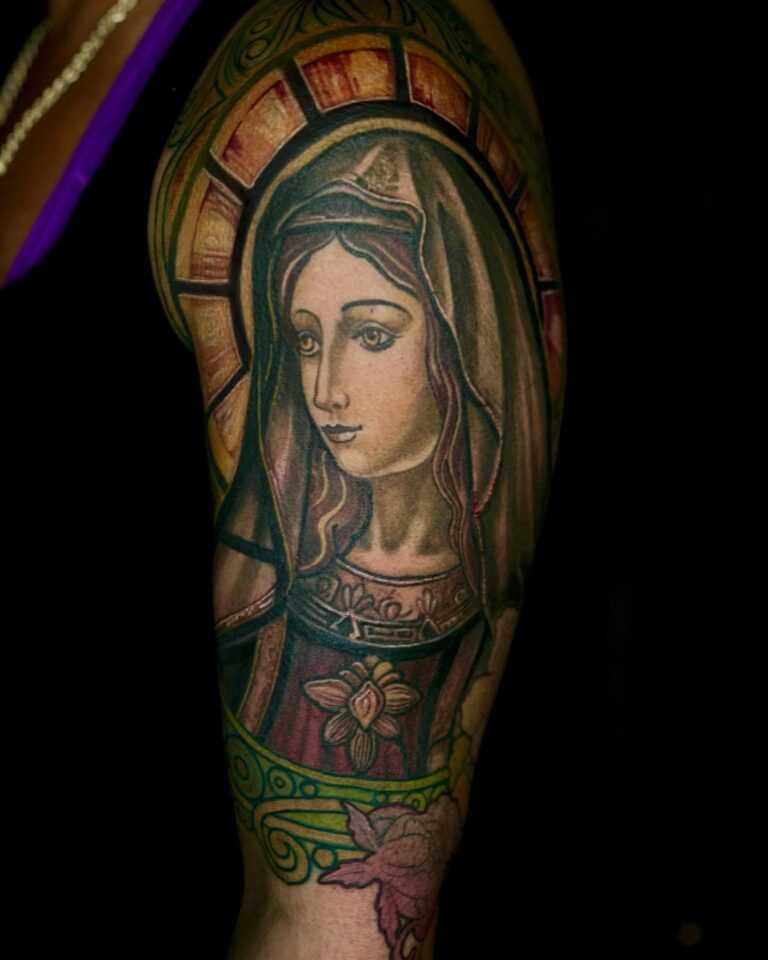 Color RealismSaturated, lifelike color for sleeves and large scenes.Signature project · Japanese IrezumiDragon Backpiece: 66 Hours, 3 Artists, Best of ShowPlacementFull backTime66 hours over 3 daysArtists3 artists, including Vinny NguyenSee the full project →
Bring your reference and placement. We plan large work session by session with you.
We also tattoo American traditional, fine line, script and small tattoos. Browse all styles →