Some decisions in life take years to make, and choosing a back tattoo is often one of them. It is not simply because of the pain, but because the meaning behind the design is too significant to rush. This placement is often reserved for the most important story a person wants to carry throughout life. At Holistic Ink, we understand that. This guide explores its symbolism, popular design choices, and key technical considerations so you can walk into your consultation with confidence instead of uncertainty.
Discover Back Tattoo Meaning And Symbolism With Holistic Ink
A back tattoo stands out not only for its size and visual impact but also for the deeply personal message it carries. From the placement itself to every individual element, each detail helps tell a story about the wearer’s beliefs, life journey, and identity. Before exploring the meanings behind popular symbols, it is important to understand why the back is considered one of the most meaningful placements in tattooing and how its expansive space allows a design to reach its full potential.
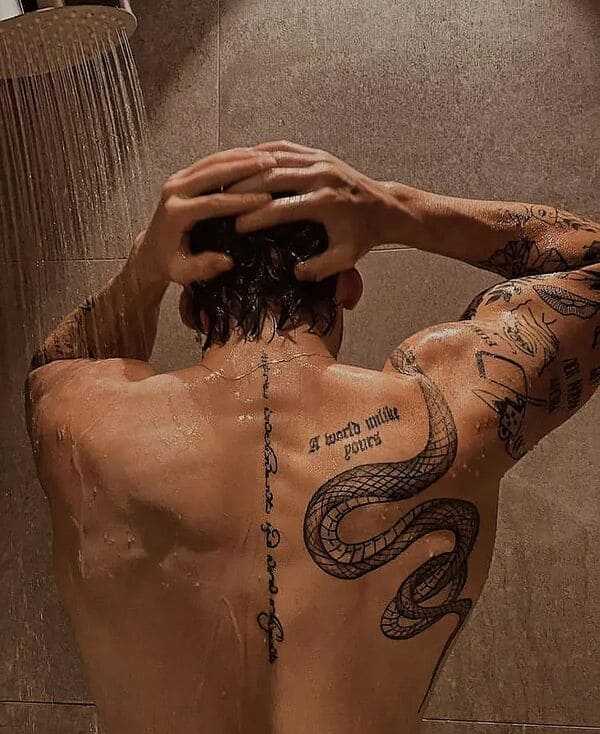
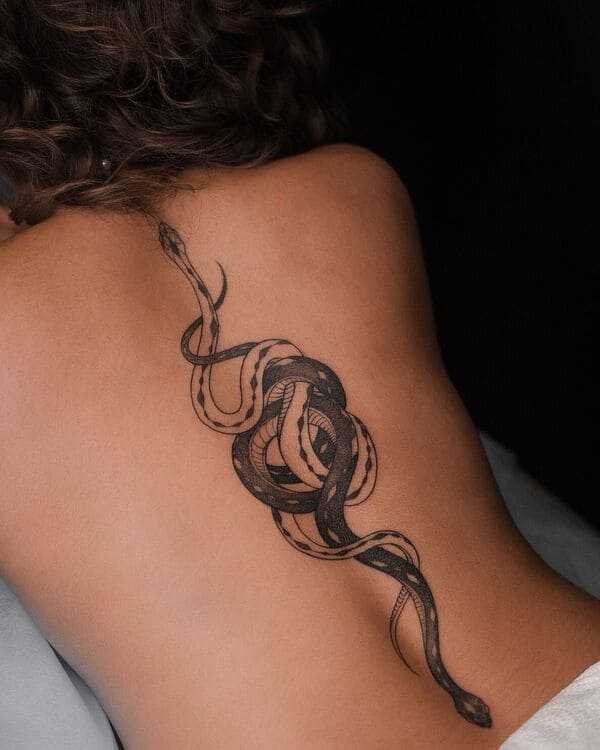
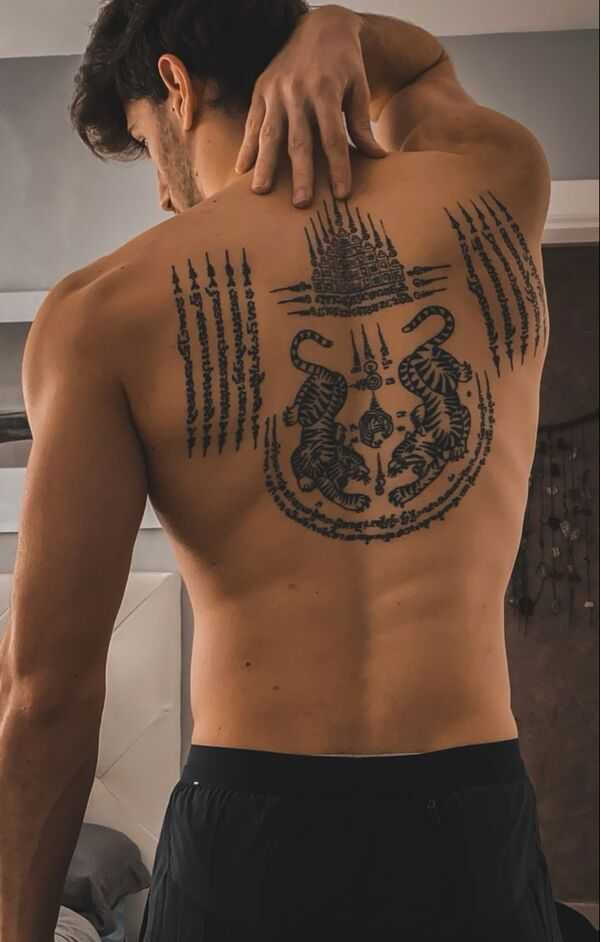
Discover back tattoo meaning | Ideas Tatoo
Why A Back Tattoo Works Best On The Body’s Largest Canvas
Most people who choose a back tattoo do not begin with appearance alone. They begin with a simple question. What is meaningful enough to carry for a lifetime? That is why this placement, even though it is usually hidden from view, often holds the most personal and profound stories.
In both traditional and modern tattooing, the back carries its own symbolic meaning. Across many cultures, it represents the burdens people carry through life, including heritage, memories, and quiet inner strength. A tattoo that follows the spine is often chosen to express resilience. The spine represents physical support, while it also symbolizes emotional strength and determination. This is not a coincidence. It is a deliberate form of body language chosen by the wearer.
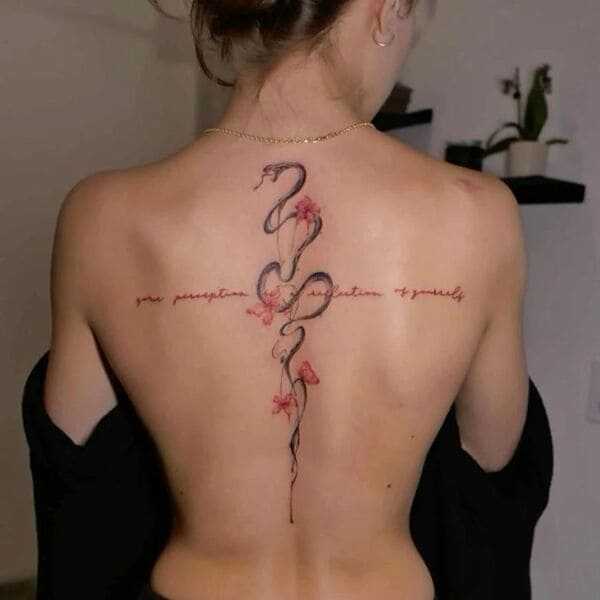
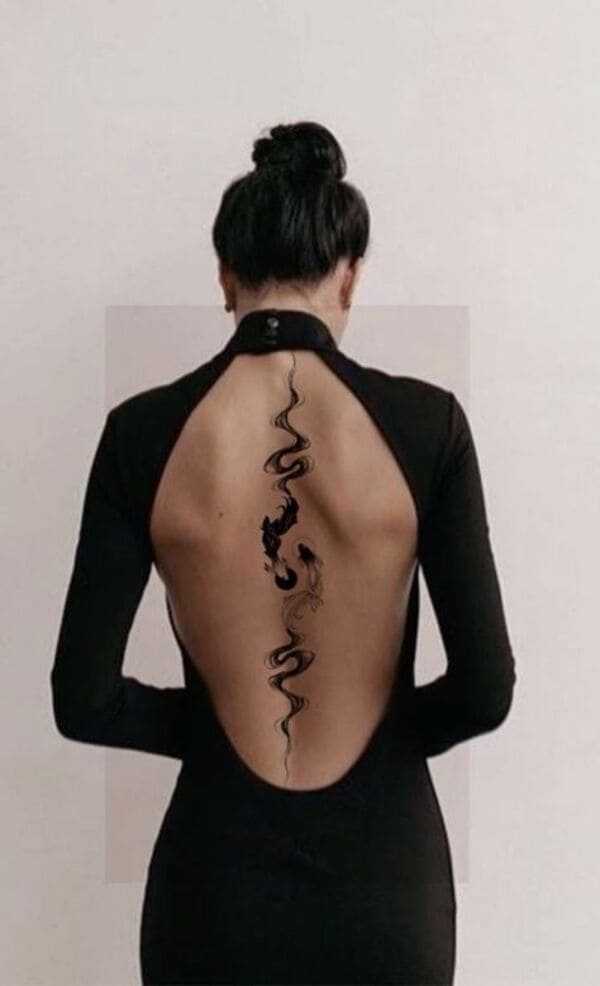
Back tattoo works best on the body’s | Doston Steven
What truly sets the back apart from the wrist, forearm, or neck is the amount of space it provides. The upper back, lower back, spine, and full back can each serve as an individual canvas or come together as one unified composition. The natural curves of the spine and shoulder blades create a built in framework that allows the artist to achieve balance and proportion without forcing the design. The body’s natural shape becomes part of the artwork itself.
Another important advantage is control over visibility. This type of tattoo is not constantly on display. The wearer decides when and with whom to share it. Every reveal becomes an intentional choice rather than an accidental moment. That sense of control adds another layer of meaning to the piece.
The back also offers room for future expansion. A small design on the upper back can later grow into a full-back composition or even become part of a larger bodysuit if it is planned carefully from the beginning. For that reason, many people choose to start with a central symbol that can gradually expand instead of covering the entire area in a single session.
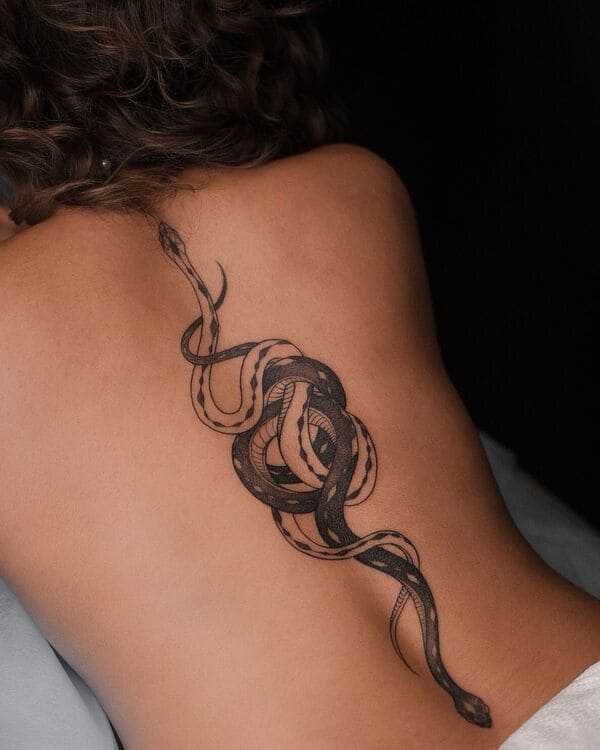
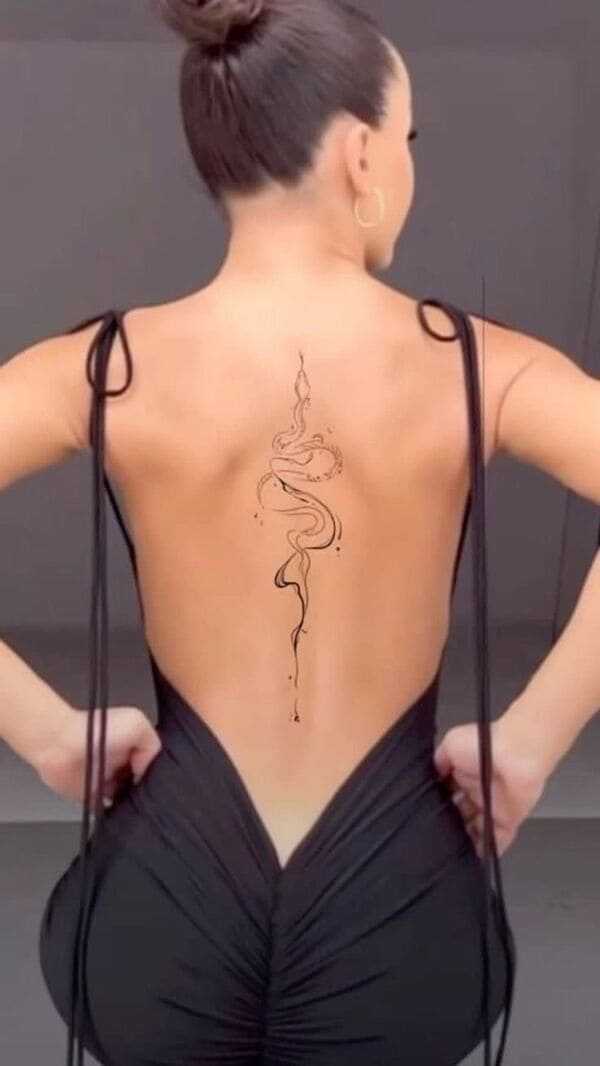
A back tattoo works best on the body’s largest canvas | Ilona Brazhnik Tatoo
Popular Back Tattoo Symbols And The Messages They Represent
The generous space of the back allows symbols to be displayed in their complete form without being cropped or reduced to the point where their meaning is lost. Each symbol carries its own significance, and understanding that meaning is the first step toward choosing a design that truly reflects your story.
The dragon represents strength, wisdom, and protection in East Asian culture. On the back, it is often designed to flow along the spine or wrap across the entire back, making it one of the most iconic compositions in traditional Japanese tattooing. The phoenix symbolizes rebirth and transformation. It is especially meaningful for people who have overcome loss, illness, or major turning points in life and want to commemorate the moment they began again.
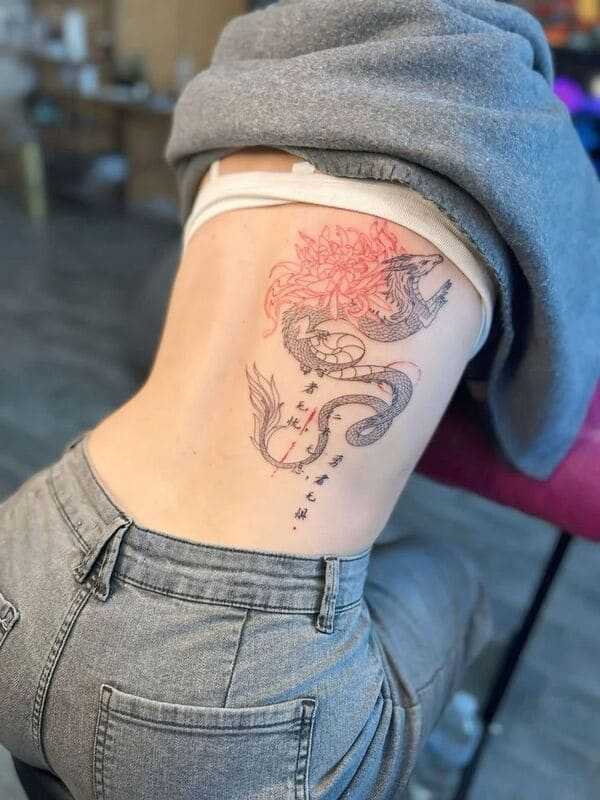
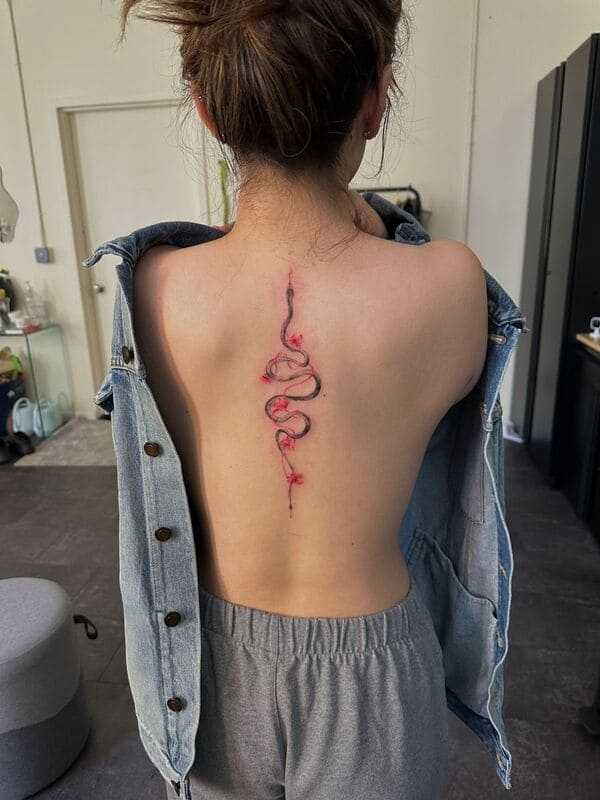
Popular back tattoo symbols and the messages | flowie
Angel wings represent freedom, spiritual faith, and divine protection. Their wide placement across the shoulder blades takes full advantage of the body’s natural proportions in a way that few other tattoo placements can. The lion symbolizes courage and the desire to protect loved ones. It remains a popular choice for back tattoos for men who want to express responsible strength rather than aggression. The wolf represents loyalty to family, survival instincts, and a deep connection with nature.
The lotus flower rises from muddy water without losing its purity, making it a symbol of resilience, enlightenment, and personal growth through adversity. A mandala, with its symmetrical geometric structure, represents inner balance and harmony with the universe. This design is especially meaningful for people drawn to meditation or spiritual practice, and the center of the back provides an ideal location where a complete mandala can expand naturally in every direction.
In Japanese tradition, the koi fish swimming upstream symbolizes perseverance, determination, and transformation. The Tree of Life represents the connection between the past, present, and future by linking ancestors, the individual, and future generations. A compass symbolizes direction, purpose, and the ability to find yourself after losing your way. Every one of these symbols can be interpreted through different artistic styles, including realism, blackwork, and geometric tattooing, allowing the design to reflect each person’s unique story.
Beyond these familiar choices, many people also find inspiration in Celtic symbolism, Norse symbolism, Polynesian tattoo traditions, and Buddhist symbolism. Each culture has its own symbolic language rooted in history, beliefs, and philosophy. Learning the origins of these symbols before choosing a design helps preserve both their cultural significance and their personal meaning.
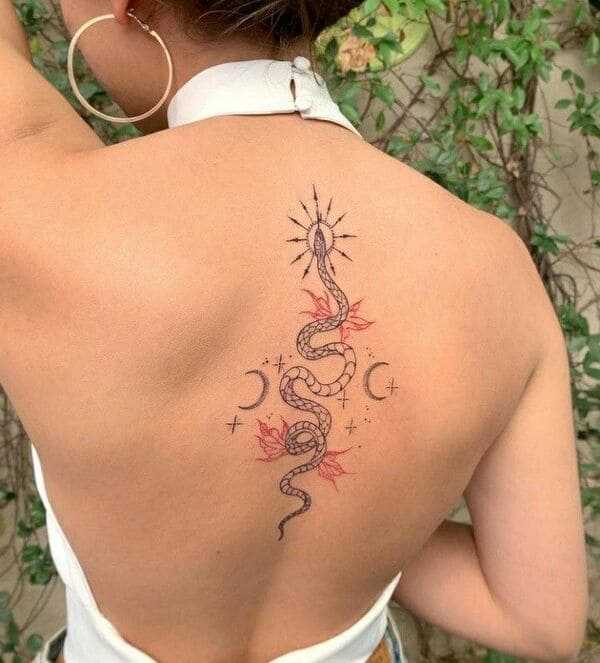
Popular back tattoo symbols and their meanings | Itakeyou Wedding
How To Choose A Tattoo For Your Back That Reflects Your Story
Choosing a tattoo should not begin with images. It should begin with one important question. What personal story do you want this tattoo to preserve? This is always the first step our team focuses on during every consultation because once you have the answer, every other decision becomes much clearer.
The next step is choosing the symbol before selecting the final artwork. Many people do the opposite. They find an attractive tattoo online and want to copy it. However, a symbol that reflects your own journey will always hold greater long term value than a design chosen only for its appearance. Once the symbolism is clear, the artist can create artwork that grows naturally from its meaning instead of forcing your personal story into an existing design.
A high quality tattoo always begins with a professional tattoo consultation rather than an impulse decision. During the consultation, the artist develops a custom tattoo, prepares a tattoo sketch, creates a stencil, and carefully considers your body anatomy to build a composition that fits your natural proportions. This process creates a more balanced design, reduces the need for future adjustments, and preserves the original vision behind the tattoo.
Full back tattoo | Mairehuhtala
The tattoo style is the next important consideration. Fine line tattoos work well for smaller and more personal designs. Japanese tattooing is ideal for powerful symbolic compositions with epic storytelling. Neo traditional offers a balance between classic and modern aesthetics. Other popular choices include ornamental, dotwork, illustrative, and biomechanical styles for people who want a distinctive artistic identity.
The exact placement on the back also shapes the story your tattoo tells. Back tattoos for women often feature vertical compositions along the spine or elegant designs that extend across the shoulder blades using delicate linework. Popular choices include lotus flowers, angel wings, mandalas, and ornamental patterns with intricate decorative details. Back tattoos for men more commonly cover larger areas and use bolder visual styles. These are not strict rules but simply common preferences. The most important goal is choosing a design that genuinely reflects your personality and personal journey.
If this is your first tattoo, it is often better to choose a design that leaves room for future expansion instead of covering the entire back from the beginning. This approach works especially well for anyone getting a first tattoo, planning a large tattoo, or expecting to expand the artwork over time.
Finally, think about the future of your design. If you may want to add new elements years from now, the original composition should be built around a clear central structure with intentional open space. That planning allows future additions to blend naturally with the existing artwork instead of disrupting the overall composition.
Back tattoos for women | Parssatalebian
Preserve The Beauty And Meaning Of Your Back Tattoo
A back tattoo keeps its value only when both the design and the aftercare receive the attention they deserve. Choosing a timeless style is important, but following the proper aftercare routine is just as essential for preserving the artwork’s beauty, sharpness, and personal meaning for many years.
Choose A Timeless Tattoo Design
A lasting tattoo is not defined only by how it looks on the day it is finished. It should continue to hold its character and structure ten or even twenty years later as your skin and body naturally change with age.
Size is the first factor to consider. Details that are too small, especially lines thinner than one millimeter, are more likely to blur over time, particularly in areas exposed to frequent movement or sunlight. A design with larger details that can maintain clear definition over the years is often a more practical choice, even if it appears less delicate at first.
A balanced composition also plays a major role in long term visual appeal. Designs built around a clear central structure and a natural visual flow are less likely to lose harmony as the skin ages. Artwork that follows the natural curves of the spine and shoulder blades continues to look balanced even as the body changes. Careful attention to visual balance, a strong focal point, effective use of negative space, and appropriate line weight all help preserve depth and aesthetic quality over time.
Back tattoo female | shi chelsea
Choosing between black and grey tattoos and color tattoos is another important consideration. Black and grey tattoos generally age better because black ink contains larger pigment particles that are more resistant to ultraviolet light. However, a color tattoo created with high quality ink and proper technique can also remain vibrant for many years when it receives consistent care. Today, geometric and blackwork styles are widely recognized for maintaining crisp details over time, while watercolor tattoos usually require more frequent touch ups to keep their original appearance.
Care For Your Tattoo Properly
The healing process for a large tattoo usually takes between three and six weeks, depending on the size of the design and your skin’s condition. During the first week, the priority is keeping the tattoo clean while avoiding unnecessary friction. Wash the area gently twice a day with fragrance free soap, then pat it dry with a clean paper towel instead of rubbing it with a fabric towel, since rough fibers can damage the new layer of healing skin.
Healing is also affected by your skin type, ink saturation, and the length of each tattoo session. Dry skin, oily skin, and skin with existing scar tissue all heal differently. Understanding these factors helps set realistic expectations and allows you to work closely with your artist throughout the recovery process.
Back tattoos for men | Mood Hello Monday
Starting on the second day, apply a tattoo moisturizer after every wash. Avoid products that contain alcohol or artificial fragrances because they can irritate the skin and slow healing. Apply only enough ointment or moisturizer to keep the skin comfortable. The tattoo should feel hydrated without becoming overly greasy because the skin still needs to breathe.
Sunlight is one of the biggest threats to tattoo ink. Prolonged ultraviolet exposure reduces color retention and can speed up ink migration over time. Protecting your tattoo from the sun remains one of the most effective ways to preserve its quality for years.
Sleeping position is another detail that many people overlook. During the first two weeks, sleeping on your back while wearing or resting on soft cotton fabric is usually the best option. Sleeping on your stomach places pressure and friction directly on the fresh tattoo, which can cause discomfort and affect the final healing result.
Do not scratch or pick at scabs, no matter how itchy they become. This is one of the most common causes of uneven color loss because pigment can be pulled away before the new skin has fully secured it. Wear loose, soft clothing throughout the healing period to reduce unnecessary friction.
Once the skin has fully settled, usually between six months and one year after the tattoo is completed, schedule a touch up if needed. At that stage, the artist can refresh faded areas or refine any lines that have softened. A well timed touch up can extend the tattoo’s visual quality for many more years.
Keep these essential aftercare tips in mind throughout the healing process.
Wash the tattoo gently with fragrance free soap twice a day during the first week.
Apply a specialized tattoo moisturizer after every wash using only a thin layer.
Avoid swimming and soaking the tattoo for at least three weeks.
Keep the tattoo out of direct sunlight until it has completely healed.
Never scratch or remove scabs while the skin is healing.
Wear loose, soft clothing to minimize friction.
Apply SPF 50 sunscreen whenever the healed tattoo is exposed to the sun.
Schedule a touch up after six months to one year if any adjustments are needed.
Care for your back tattoo properly | taya
If you notice unusual symptoms such as prolonged swelling or discharge, contact your tattoo artist or a healthcare professional as soon as possible for guidance. Using an appropriate tattoo ointment, staying well hydrated, and paying close attention during the peeling stage all help reduce the risk of infection and support a smooth healing process.
A back tattoo is far more than an aesthetic choice. It is a commitment to yourself that your story deserves to be told, preserved, and carried with you every day, even when no one else can see it. From choosing the right symbol and defining the right style to following every step of the aftercare process, each decision contributes to a meaningful piece of art with lasting value.
If you would like more information or professional guidance, contact Holistic Ink for a free consultation. Our experienced team is ready to provide expert advice, professional service, and prompt support.
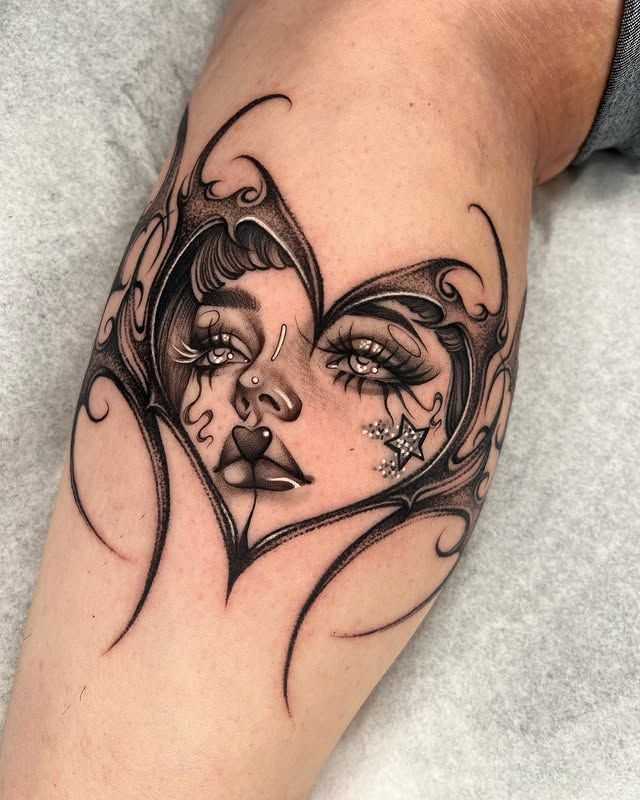
Popular Heart Tattoo Symbols and Their Meanings | zp3ktra.ink
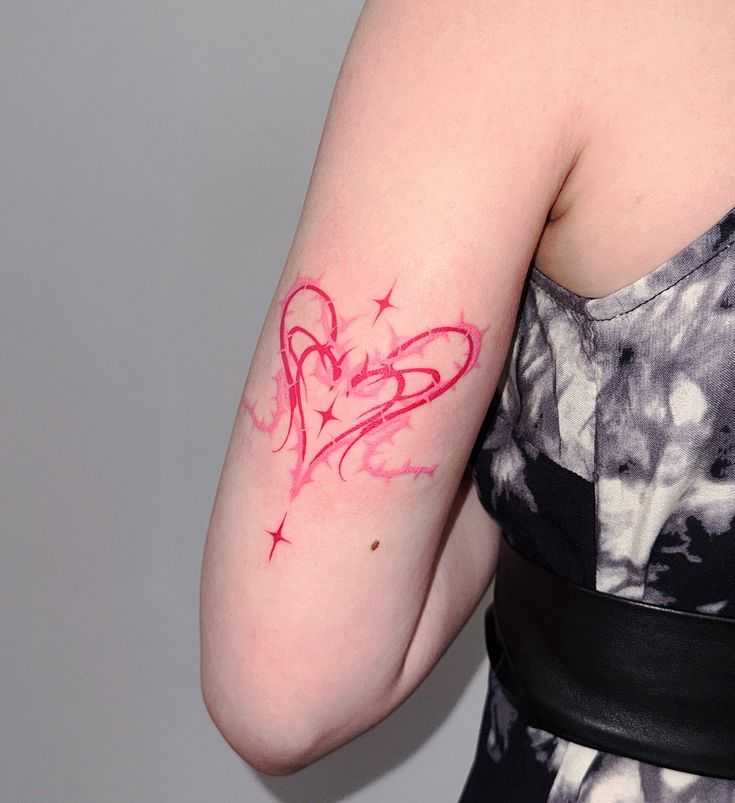
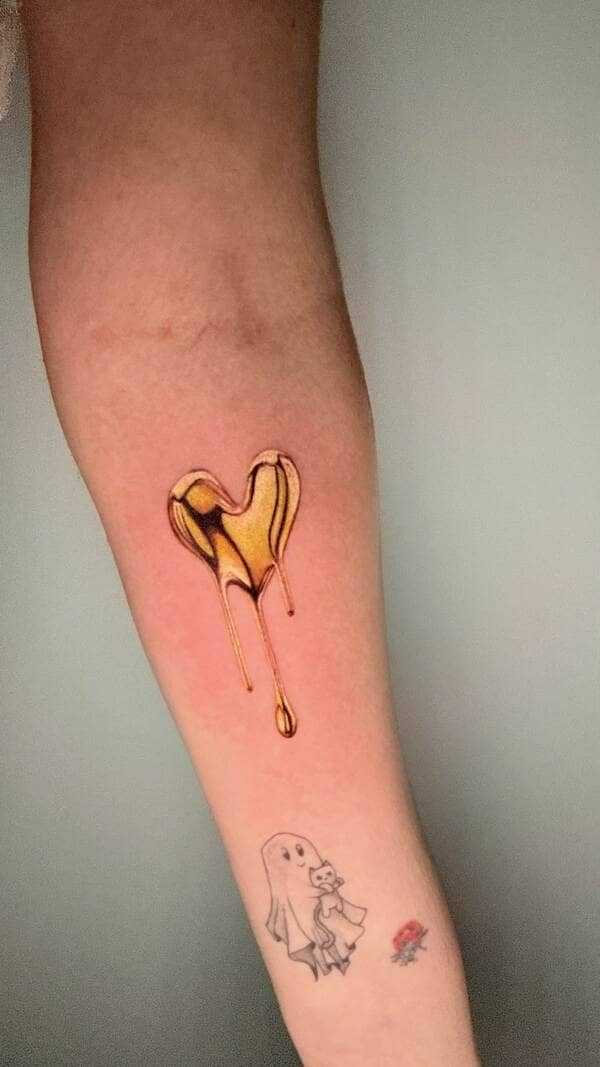
A heart tattoo is more than a timeless symbol—it represents love, resilience, remembrance, and the stories that shape who you are. Whether you’re honoring someone special, celebrating a personal milestone, or expressing your identity, every design carries a unique meaning. In this guide, Holistic Ink explores the symbolism behind heart tattoos, popular styles, ideal placements, and expert tips to help you choose a design that truly reflects your story.
Popular Heart Tattoo Symbols and Their Meanings
Not all heart symbols read the same. Each variation carries its own emotional register, cultural background, and visual language. Understanding the difference helps you choose a design that says exactly what you mean — nothing more, nothing less.
Popular Heart Tattoo Symbols and Their Meanings | zp3ktra.ink
Anatomical
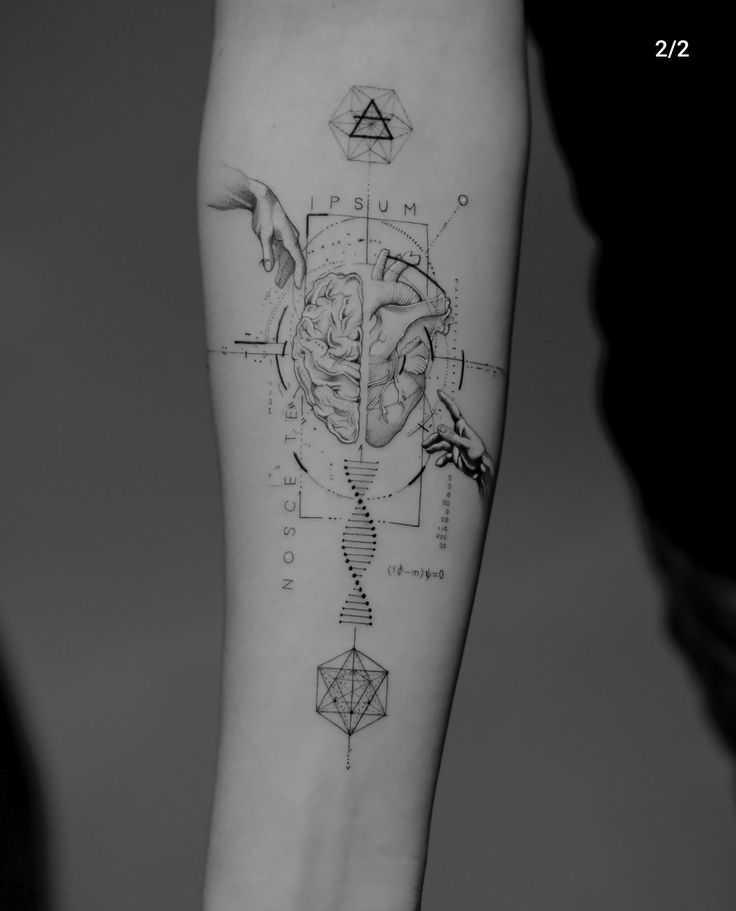
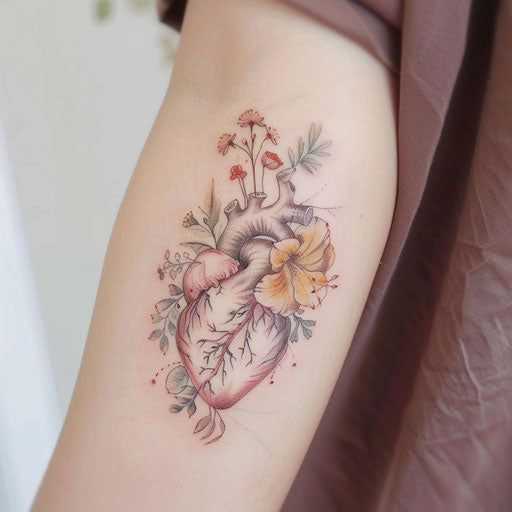
The anatomical heart tattoo depicts the organ as it actually exists inside the body — chambers, valves, arteries, and all. It moves away from romantic idealization and toward something rawer: the literal seat of life.
Some wear this design for different reasons. Some are drawn to its honesty — the idea that love is not soft or perfect, but complex, muscular, and sometimes fragile. Others choose it to honor survival after open-heart surgery, a serious medical journey, or recovery from a life-threatening illness. Medical professionals sometimes wear it as a mark of their field.
Semantically, this design sits at the intersection of realism tattoo and symbolic tattoo. It pairs well with botanical elements like roses or thorns, or with text — a name, a date, a single word that anchors it to a specific person or moment. The tattoo piece does not try to be pretty. That restraint is exactly where its power comes from.
Sacred
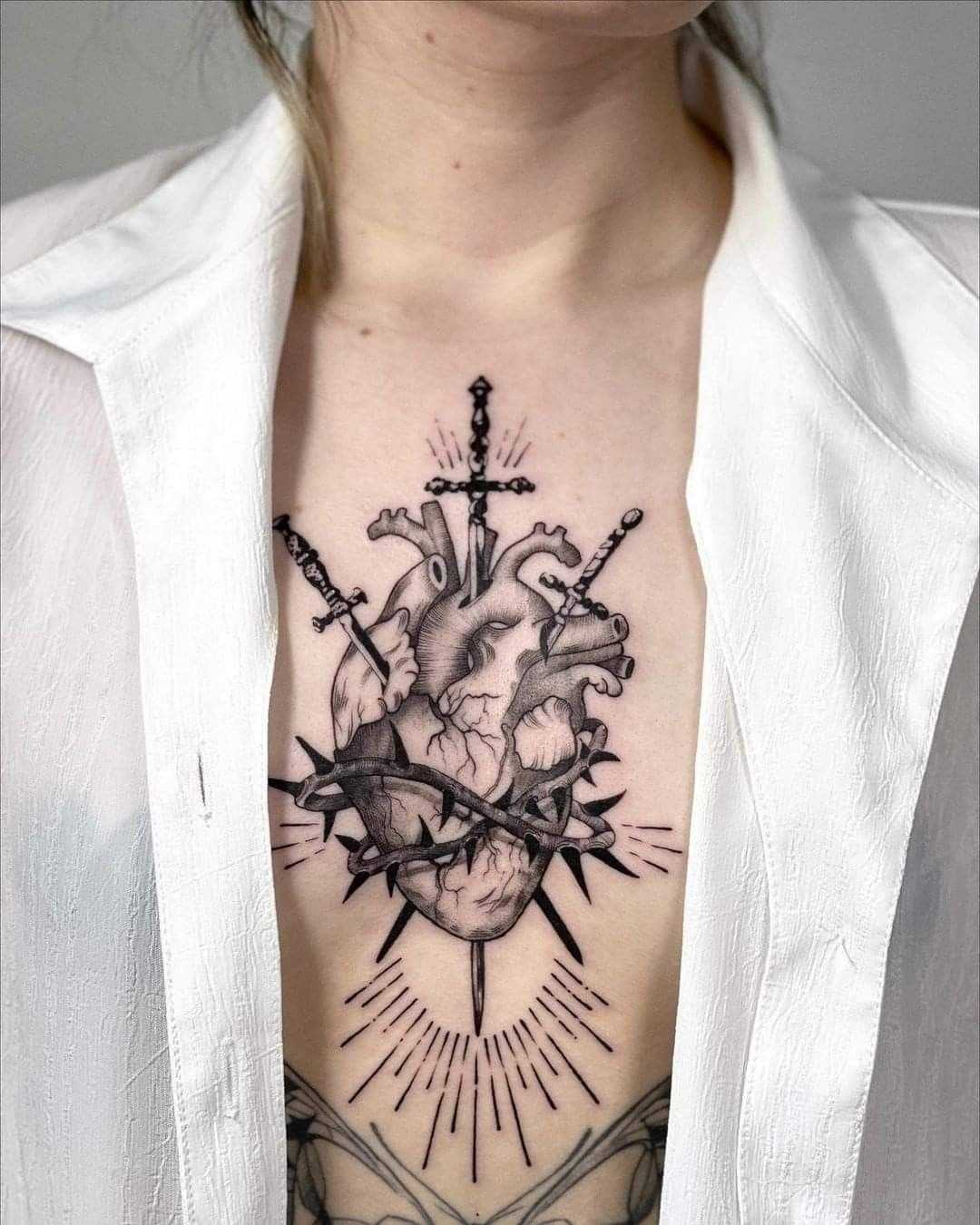
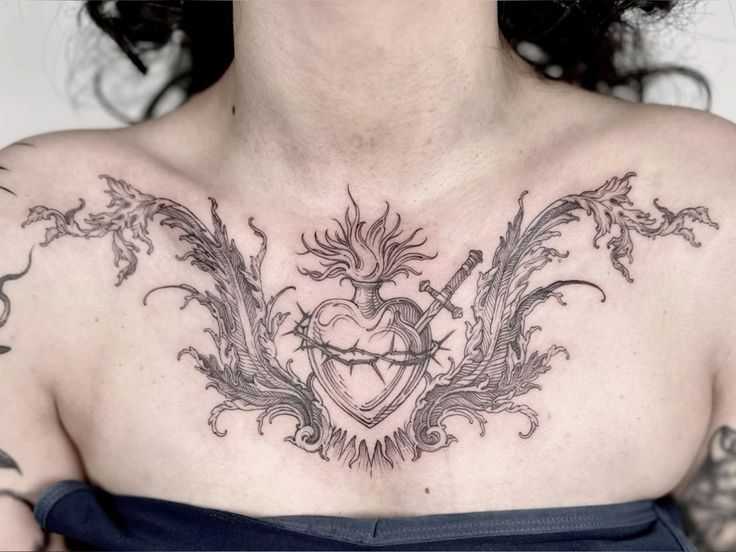
The sacred heart carries one of the longest symbolic histories in Western tattoo tradition. Rooted in Catholic iconography, it depicts a heart encircled by a crown of thorns, emitting flames, and often marked with a cross at the top. Each element has meaning: the thorns represent suffering, the flames represent divine love, and the cross represents faith and redemption.
Beyond religion, many people today choose this design for its emotional weight rather than its doctrinal meaning. It speaks to sacrifice — loving something so deeply that it costs you. It speaks to resilience — carrying pain without being destroyed by it.
This is a spiritual tattoo in the truest sense. It works in traditional, neo-traditional, and fine line styles. In all three, the composition is strong enough to stand alone or anchor a larger sleeve. The sacred heart is never subtle, and that is the point.
The sacred heart carries one of the longest symbolic histories in Western tattoo tradition | Zaw Lwin
Black
The black heart tattoo operates on a different emotional frequency from its red counterpart. Where red speaks of passion and warmth, black speaks of grief, dark romanticism, and the parts of love that do not resolve neatly.
What does it mean? The answer depends on context. For some, it marks a period of loss — a relationship, a person, a version of themselves. For others, it symbolizes a deliberate aesthetic choice: an alignment with darker sensibilities, gothic visual culture, or the beauty found in melancholy.
Blackwork and fine lines are the natural homes for this design. Solid fill creates weight and permanence. It creates something more fragile, more ambiguous — which suits the emotional complexity this symbol often carries. It is a meaningful tattoo precisely because it does not explain itself.
Broken
A broken heart design — typically depicted as a heart split down the middle, sometimes with a crack, a tear, or a literal fracture line — is one of the most emotionally direct symbols in tattoo art. It does not hide what it conveys.
But what does a broken heart piece mean beyond the obvious? Survival. Wearers often choose to not to memorialize loss, but to mark the fact that they came through it. The break becomes evidence of resilience, not failure. It is an emotional tattoo that transforms pain into something permanent and visible.
It also functions as a tribute tattoo for those who have lost someone suddenly or traumatically. The crack in the shape is not a weakness — it is the record of something real that happened. Some designs incorporate stitches or a weld line across the break, reinforcing the idea of repair and continued strength.
Flaming
The flaming heart is passion made visible. Flames rising from a heart communicate intensity — love that burns, belief that consumes, desire that does not settle. It continues to be one of oldest motifs in traditional tattoo culture, and it has never lost its force.
Unlike the sacred heart, which frames flames within religious meaning, a standalone flaming heart is more personal. It serves as transformation through feeling — the idea that being deeply moved by something changes you permanently.
This design suits traditional and neo-traditional styles particularly well, where bold outlines and saturated fills let the flames read clearly at any size. It also works in fine line for a quieter interpretation — heat implied rather than declared.
Heartbeat Tattoo
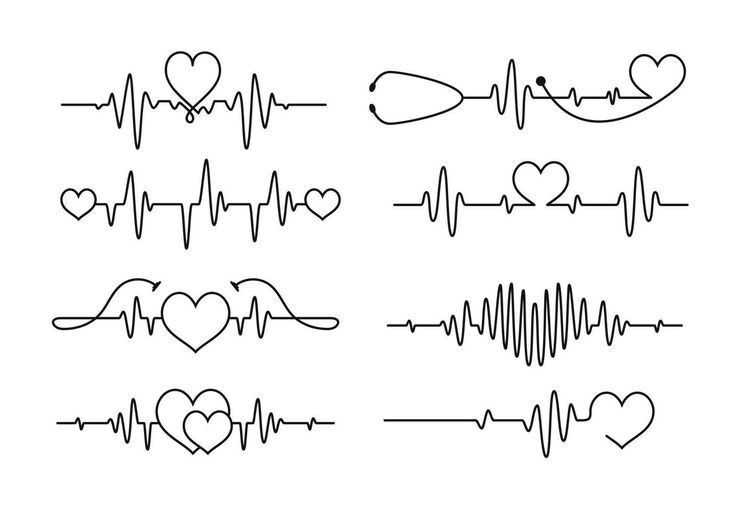
A heartbeat tattoo — the flat line that rises into a pulse and returns to stillness — is one of the most direct ways to say: I am alive, and that matters. It references the EKG (electrocardiogram, the medical monitor that reads the heart’s electrical activity) and carries strong associations with survival, medical experiences, and tribute.
A heartbeat tattoo — the flat line that rises into a pulse and returns to stillness | la niña Claus
It is commonly chosen by people after a health crisis — their own or someone else’s. Others use it as a memorial tattoo, incorporating a name or date alongside the pulse line. A heartbeat tattoo design can also be combined with other elements: a name written along the line, a small symbol at the peak of the pulse, or a meaningful date placed where the line returns to flat.
Its strength is in its simplicity. A single continuous line holds enormous meaning without requiring elaboration.
Infinity
The infinity heart combines two of the most universally recognized symbols into one compact form. The infinity loop — a figure eight on its side — represents endlessness, and when shaped into or merged with a heart, it speaks directly to the idea of love without limit or expiration.
This is a popular choice for soulmate tattoos and family tattoos, particularly between partners, between a parent and child, or among close friends who want a shared symbol. It works as a matching piece or as a standalone design.
The infinity heart suits fine line and minimalist styles best. Elaborate decoration can dilute the clarity of the symbol. At its most effective, this design is clean, precise, and immediately legible — which mirrors what it means.
Heart with Flowers Tattoo
Pairing a heart with botanical elements adds layers of meaning that shift depending on the flower chosen. Each species carries its own symbolic language, and when combined with a heart, the two meanings compound.
Rose: Romantic love, beauty, the coexistence of softness and thorns
Lotus: Resilience, spiritual growth, beauty emerging from difficulty
Sunflower: Warmth, loyalty, unwavering devotion
Peony: Prosperity, honor, deep affection
Wildflowers: Freedom, organic growth, love without constraint
This combination suits fine line, watercolor, and neo-traditional styles. Among the most versatile heart tattoo designs available — adaptable to any size, placement, and emotional intention.
Heart with Wings Tattoo
Wings added to a heart lift it — literally and symbolically. This design represents a soul in motion: freed from physical limits, ascending, no longer confined to the earthly. It is one of the most common memorial tattoo choices, used to honor someone who has died.
The wings can be angelic — soft, feathered, symmetrical — or bird-like, or abstract. Each interpretation shifts the emotional register slightly. Angelic wings suggest peace and arrival. Bird wings suggest freedom and flight. Dark or skeletal wings suggest something more complicated — a love that was not gentle, or a grief that is still raw.
This tattoo works across styles. Traditional renditions are bold and declarative. Fine line versions are quieter and more intimate.
Heart with Dagger Tattoo
The heart pierced by a dagger is one of the oldest and most psychologically complex symbols in tattoo art. It does not have one meaning — it holds several in tension simultaneously.
Betrayal is one reading. Sacrifice is another. The dagger through the heart can represent a painful breakup or broken trust. It may also symbolize a deliberate act of self-sacrifice for someone or something valued above personal safety. In some traditions, It is often associated with the courage to love despite knowing the risk.
This design is strongest in traditional and neo-traditional styles, where the visual contrast between the softness of the heart and the hardness of the blade is most clearly drawn. It is a meaningful tattoo for those who do not want to soften what they have been through.
The heart pierced by a dagger is one of the oldest and most psychologically complex symbols in tattoo art | Wo Sunny
The Stories Behind Choosing a Heart Symbol
People do not choose this symbol on impulse. Behind almost every piece is an emotional tattoo rooted in something real.
Grief is one of the most common motivations. A tattoo placed over the chest or wrist becomes a permanent tribute — a way to hold someone close when they can no longer be present. The name, a birth date, or a single initial transforms the design from decorative to deeply personal.
Others arrive at this symbol through recovery. From illness. From addiction. From a relationship that dismantled them and a slow process of rebuilding. The heart in these cases is not sentimental — it is defiant. It says: I came through this, and I chose to mark it.
Remembrance takes many forms. Some pieces honor a parent, a child, a best friend. Others carry the memory of a version of oneself that no longer exists — younger, more naive, less certain of what they could survive. A tribute tattoo like this does not need to be explained to carry its full weight. The person wearing it knows exactly what it means.
The Stories Behind Choosing a Heart Symbol | mgts
Resilience, grief, healing, and life story all live inside this one shape. That is why an emotional piece ages differently from decorative ink. It does not fade in meaning — it deepens.
Many people choose designs that symbolize connection, such as matching tattoos, couple tattoos, or family tattoos. Beyond romantic partners, close friends and family members also often choose mother-daughter tattoos or siblings tattoos to commemorate meaningful milestones they have shared together.
In addition to classic heart motifs, many people are drawn to variations such as arrow heart, lock and key, double heart, heart outline, pixel heart, and tribal heart. Each design tells a different story and can be combined with a wide range of tattoo styles, allowing the wearer to create a piece that reflects their own identity and personal journey.
Heart Tattoo Styles That Match Every Personality | Holistic Ink
Choosing a symbol is only half the decision. The style determines how that symbol lands — its emotional weight, its visual presence, and how it will age over time. Two people can choose the same motif and produce entirely different results depending on the style they select.
Fine Line
Fine line work uses a single needle or a tight grouping of needles to create delicate, precise lines with minimal shading. The result is subtle, almost drawn rather than inked.
This design is especially popular among people who prefer understatement. The piece communicates without demanding attention. A fine-line piece works well in small formats — the wrist, the finger, the collarbone — and pairs naturally with minimalist design principles.
The trade-off is longevity. Fine line tattoos require careful aftercare. Depending on the placement, they may also need a touch-up after one or two years. Sun exposure is the primary cause of fading. With proper care, the definition holds well.
Heart Tattoo Styles That Match Every Personality | T. P. Ana
Minimalist
Minimalism in tattoo design means reduction to essentials. No fill, no shading, no decorative elements that do not earn their place. Just the outline — or sometimes just a few lines that imply a shape without fully completing it.
This approach suits people who value precision and restraint. The design stays clear and readable even at small sizes. That makes it ideal for tiny, micro, outline, and dainty tattoo enthusiasts. These understated styles remain easy to wear while preserving a refined and timeless appearance. It also works as a discreet piece for someone who wants personal meaning without public declaration.
A modern heart tattoo in minimalist style often uses negative space (the untattooed skin as part of the composition) to create dimension without added ink. This technique requires a skilled artist to execute correctly.
Realism
Realism aims to replicate texture, dimension, and depth — to make this artwork look three-dimensional on a flat surface. For heart imagery, this most commonly applies to the anatomical heart, where veins, muscle texture, and shading create something that looks genuinely organic.
This style demands technical skill and sufficient size. Details collapse at small scales. Placement matters: areas with less movement and curvature hold realism work better over time. The forearm, upper arm, and chest are strong placements for realistic pieces.
People who choose realism are usually drawn to its honesty. There is no stylization softening the image. What you see is what the symbol actually is.
Realism aims to replicate texture, dimension, and depth | Bunn Eileen
Blackwork
Blackwork uses solid black ink — fills, geometric shapes, heavy outlines — without color or gradation. This creates high contrast, graphically strong, and visually immediate.
This style suits people who want impact. A blackwork piece reads clearly from a distance and holds its definition longer than styles that rely on color saturation. It ages with authority rather than fading quietly.
Blackwork designs often incorporate geometric patterns (mandalas, linework grids, sacred geometry) or negative space shapes carved out of solid fill. The interplay between filled and empty areas creates visual complexity without relying on color.
Traditional
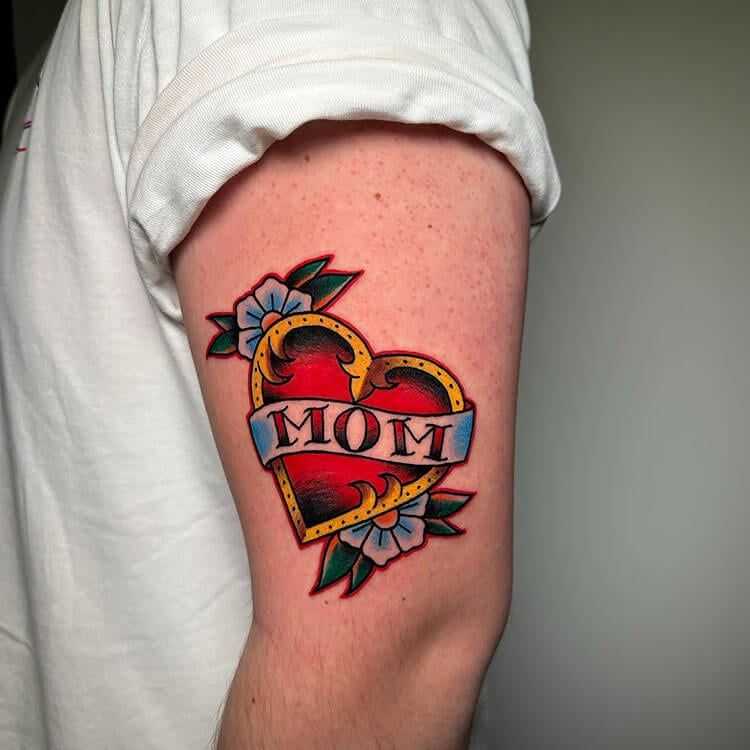
Traditional tattooing — also called American Traditional — is defined by bold outlines, a limited color palette (red, green, yellow, black), and flat fills with minimal shading. One of the oldest styles in Western tattoo culture and remains one of the most durable.
A traditional piece is built to last. The thick lines resist blurring over decades. The flat fills do not fade unevenly. The composition is direct and readable — no ambiguity, no subtlety.
This approach appeals to people who appreciate history and permanence. It does not try to be contemporary. That is precisely its strength.
Neo-Traditional
Neo-traditional builds on the foundations of traditional tattooing but introduces more complex shading, a wider color palette, and more illustrative detail. Proportions become more dynamic. Compositions gain depth.
The finished look is a style that honors its roots while expanding what is visually possible. A neo-traditional piece can carry fine botanical detail, nuanced skin tones in portrait elements, or layered textures that traditional flat fills cannot achieve.
This style works for people who want visual richness without sacrificing structural solidity. It remains one of the most versatile approaches for complex, multi-element tattoo designs.
Watercolor
Watercolor tattooing mimics the look of paint on paper — soft color bleeds, brushstroke textures, edges that dissolve rather than terminate cleanly. It is expressive and visually distinctive.
The trade-off is longevity. Without strong outlines, watercolor tattoos can gradually lose definition, especially in areas that receive frequent sun exposure. Many experienced artists recommend pairing watercolor fills with a clean outline to anchor the composition structurally.
This option is ideal for people who respond to emotion over structure — who want their ink to feel painted rather than drawn. It works especially well for designs combined with botanical elements or abstract color fields.
Watercolor tattooing mimics the look of paint on paper | Next Luxury
Geometric
Geometric tattooing applies mathematical precision to organic forms. A heart rendered in geometric style may be composed of triangles, straight line segments, or interlocking shapes that suggest the symbol without tracing its natural curve.
This style appeals to people who think in systems — who find meaning in structure and find beauty in precision. It also lends itself well to mandala integration, sacred geometry motifs, and symmetrical compositions.
Geometric work holds detail well in blackwork and fine line formats. Color can be added, but the structural logic of the tattoo is always the primary driver. This approach produces a tác phẩm xăm that feels considered, almost architectural — and entirely unlike anything produced by sentiment alone.
Best Placement for a Heart Symbol
Where you place your ink shapes how it reads — to yourself and to others. Placement is not a secondary decision. It affects visibility, longevity, pain level, and how the motif interacts with the body’s natural contours.
Every placement creates a different experience. A tattoo pain chart can help you understand the pain level of each area based on skin thickness and nerve density. If you have a low pain tolerance, it is generally best to start with the least painful placements before considering more sensitive areas.
Wrist
The wrist is one of the most chosen locations for personal and memorial pieces. It stays in your line of sight daily — a quiet reminder rather than a public statement. Fine line and minimalist designs work best here. The skin is thin and close to bone, so pain is moderate. Ink in this area fades faster due to friction and sun exposure. Touch-ups are common after two to three years.
Finger
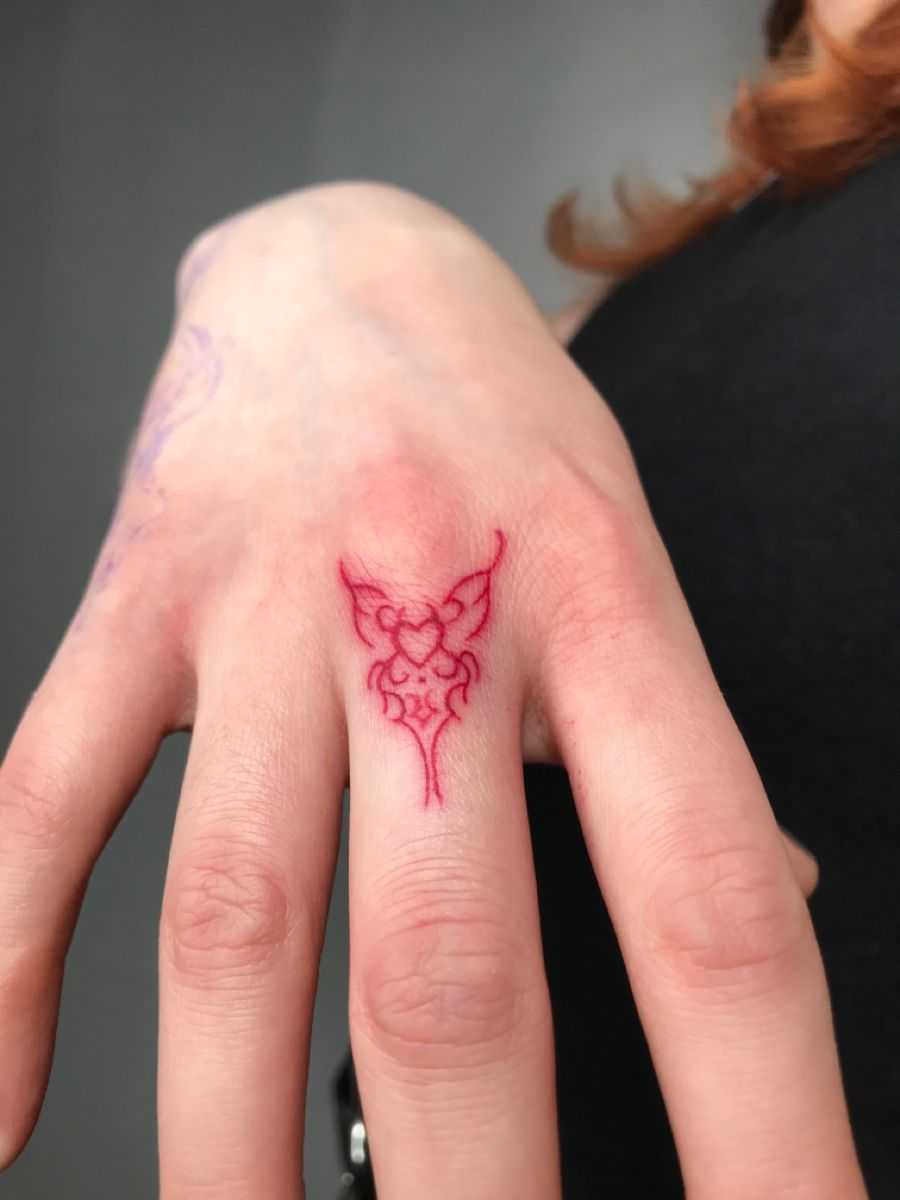
Finger placements carry an intimate, understated quality. They suit small, simple designs — a single outline, a minimal shape, a short initial. The trade-off is significant: finger skin regenerates quickly, and ink here fades and spreads faster than almost any other placement. Expect to return for touch-ups more frequently.
Finger placements carry an intimate, understated quality | Genç Öznur
Chest
A chest placement sits closest to the physical heart — which is why it carries such strong emotional resonance for tribute and devotion pieces. It offers a large, relatively flat canvas. Pain is moderate near the sternum and increases closer to the collarbone. This placement ages well when kept out of prolonged sun exposure.
Forearm
The forearm offers visibility without commitment to constant exposure. It suits a wide range of design sizes and styles — from small fine line pieces to detailed realism or blackwork. Pain is low to moderate. Ink holds definition well here, making it a reliable placement for complex or multi-element compositions.
Shoulder and Upper Arm
The shoulder and upper arm provide ample space and relatively low pain. These placements conceal easily under clothing and reveal naturally in casual settings — a balance that suits people who want personal meaning without constant visibility. Realism and neo-traditional styles perform particularly well on the upper arm’s rounded surface.
Rib
The rib is one of the most private placements available. It is also one of the most painful — the skin sits directly over bone with minimal cushioning. People who choose the rib usually want the piece to remain theirs alone. The placement rewards long, vertical compositions. A heartbeat tattoo design running along the rib line is a strong example of form following placement.
Neck
The neck is a high-commitment placement. It reads as a statement — deliberate, visible, unapologetic. Small designs behind the ear carry a different register from pieces along the side or front of the neck. Pain is high in most neck placements. This location suits people who have already built a considered collection and know exactly what they want the piece to communicate.
Hand
Hand placements are expressive and immediate. They communicate openness — This artwork is always visible, always forward-facing. Ink on hands fades and spreads more quickly than most placements due to constant movement, washing, and sun exposure. Bold, simple designs with strong outlines hold best. A queen of hearts tattoo reduced to its essential graphic elements translates well to this location.
Beyond the most popular placements, many clients also consider a behind ear tattoo, ankle tattoo, thigh tattoo, hip tattoo, back tattoo, or collarbone tattoo. Each placement differs in terms of visibility, concealability, and how well the tattoo ages over time, so it’s worth discussing your options with your tattoo artist before making a final decision.
The cost typically depends on the tattoo’s size, level of detail, session length, and the artist’s experience. Custom tattoo pricing is usually different from the cost of pre-designed flash tattoos. In addition, the hourly tattoo rate, the colors used, and the number of touch-ups or revisions can all affect the final tattoo cost.
Personalize Your Heart Design
A generic shape becomes a personal statement the moment it connects to something specific. Personalization is not about adding more elements — it is about choosing the right ones.
Add Text and Dates
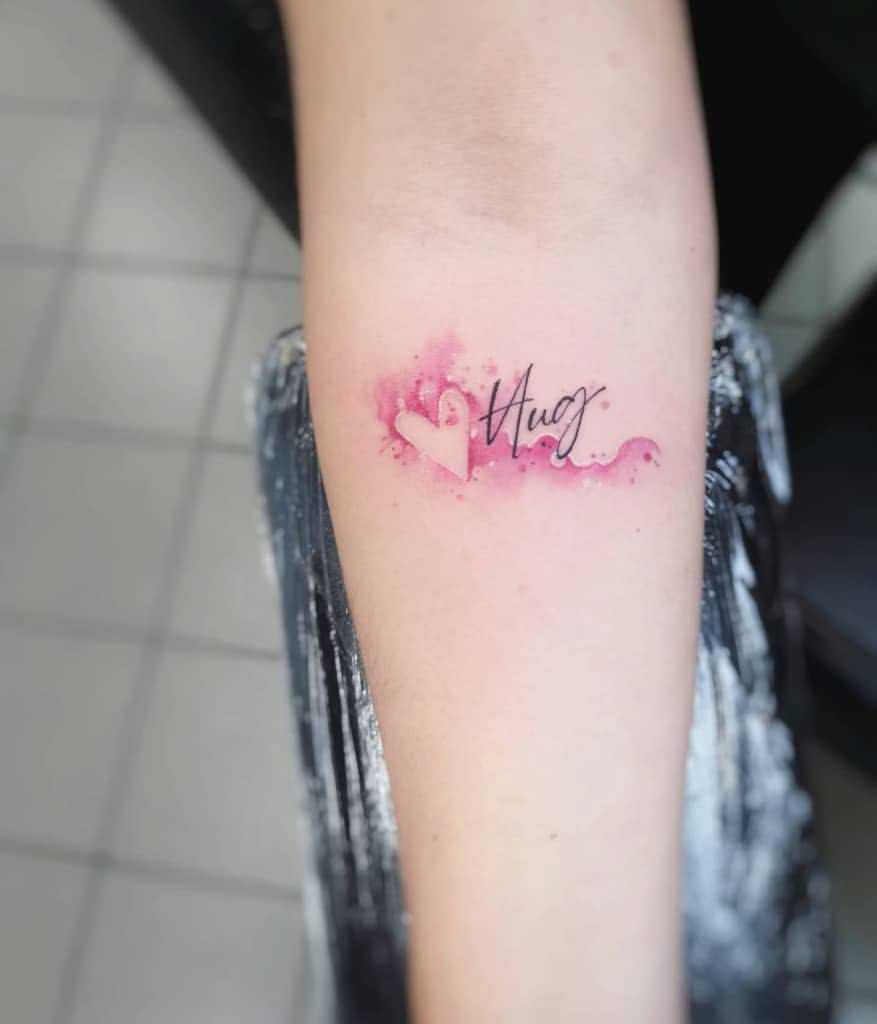
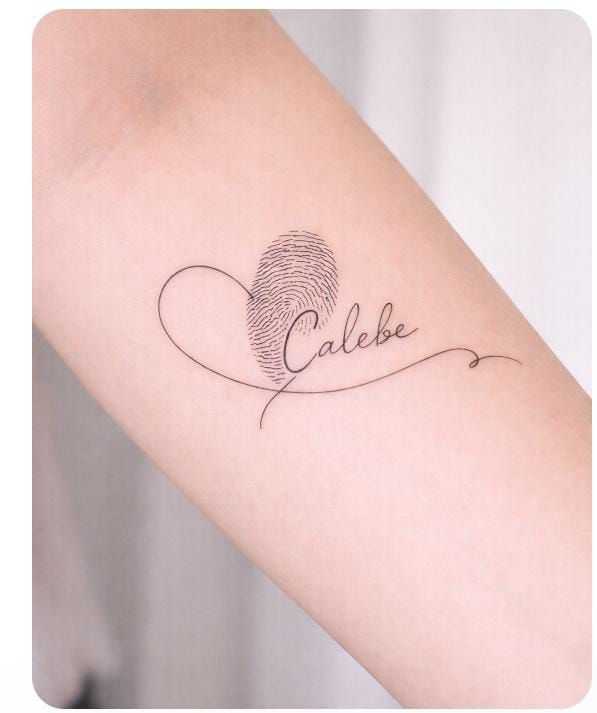
A name, a set of initials, or a birth date transforms the composition into a tribute. Text placement matters: along the curve of the composition, beneath it, or woven through it each creates a different visual relationship. Choose a typeface that matches the style of the piece — serif fonts suit traditional work, fine script suits fine lines.
Incorporate Meaningful Flowers
Each flower carries its own symbolic vocabulary. A rose speaks to love and its complications. A lotus speaks to growth through difficulty. A peony signals deep, enduring affection. A wildflower mix suggests freedom. Choosing the right botanical element strengthens the personal meaning of the composition without requiring explanation.
A name, a set of initials, or a birth date transforms the composition into a tribute | davi_stattoo
Combine tattoo heart with Complementary Symbols
Certain pairings extend meaning in specific directions:
Butterfly: transformation, emergence, a life chapter that has closed and opened
Crown: strength, self-sovereignty, personal authority
Infinity loop: permanence, a bond without expiration
Kingdom hearts tattoo motifs: for those who grew up with the game and want nostalgia and emotional depth woven into the same piece
Zodiac elements: identity, personality, a connection to astrological self-understanding
Wings: freedom, a departed soul, spiritual ascension
Use Color Intentionally
Color is not decoration — it is meaning. Red signals passion. Black signals depth or grief. Soft pinks and peaches signal tenderness. A blue heart represents calm and loyalty, while a green heart symbolizes growth and renewal. A purple heart conveys creativity, and a white heart often represents purity and remembrance.
Customize the Shape Itself
Not every heart needs to follow the standard silhouette. A heart composed of two hands. A heart formed from a continuous knot. A heart with deliberately asymmetrical proportions. The shape itself can be customized to carry additional meaning before a single secondary element is added. This is where a skilled artist at our studio earns their value — translating an idea into a composition that works on skin, not just on paper.
Before the tattooing begins, the artist will conduct a tattoo consultation to confirm the concept and discuss the details of the design. They will then create a custom design, prepare the stencil, and position it on the skin to ensure the placement looks right. Once the client gives design approval, the tattooing process can begin. The needle size, tattoo machine, and ink quality are carefully selected based on the size of the tattoo and the level of detail required.
Heart Design Aftercare: Keep Your Ink Beautiful
A well-executed piece deserves proper care. Aftercare is not optional — it is part of the work. How a piece heals in the first four weeks determines how it looks for the next twenty years.
The Healing Timeline
Understanding each stage prevents mistakes that damage the ink permanently.
Days 1–3 (Inflammation stage): Redness, swelling, and tenderness are expected responses. The skin is repairing. Keep the area clean with fragrance-free soap. Apply a thin layer of healing ointment as instructed by your artist. Do not re-wrap unless advised.
Days 4–7 (Peeling stage): The surface skin begins to flake and peel. This is normal. Do not pick, scratch, or peel the skin manually. Doing so pulls ink out of the healing layer beneath.
Week 2 (Surface healing): The outer skin closes. The piece looks slightly dull or cloudy — this is the layer of dead skin still sitting above the settled ink. It resolves on its own.
Weeks 3–4 (Color clarification): True color and line definition emerge. This is when the piece begins to show its final appearance. Avoid prolonged sun exposure during this window.
Month 2–3 (Deep healing): The deeper dermal layers finish settling. Full healing is complete. Schedule a touch-up assessment with your artist if any areas lost definition during healing.
Heart Design Aftercare | TR
Daily Aftercare Practices
Moisturize with a fragrance-free, alcohol-free lotion twice daily — morning and evening — once the initial ointment phase is complete
Apply SPF 50 sunscreen to the healed piece every time it will be exposed to sunlight
Avoid submerging the piece in water — pools, the sea, bathtubs — until fully healed
Wear loose, breathable fabric over the piece during the first two weeks
Do not apply makeup, perfume, or skincare products directly over healing ink
Stay hydrated — skin condition affects how ink settles and how evenly it heals
Long-Term Maintenance
Ink fading is gradual and largely preventable. Sun exposure is the primary cause of color loss and line blurring over time. Consistent SPF application extends the life of the piece significantly. Dry or neglected skin causes ink to look dull — regular moisturizing keeps the colors reading cleanly. If a touch-up is needed, wait until the piece is fully healed before returning to the studio.
Fine line and watercolor pieces require more attentive long-term care than blackwork or traditional styles. This is not a flaw — it is the nature of the technique. Knowing this in advance allows you to maintain the piece properly from the beginning.
The longevity of a tattoo is influenced by UV exposure, ink quality, and how well the skin is cared for. Over time, tattoo fading is a natural part of the aging process, but it can be minimized with regular moisturizing and consistent sun protection. Some designs also require an appropriate touch-up frequency to maintain optimal pigment retention and keep the artwork looking its best.
Common Mistakes to Avoid Before Getting a Heart Symbol Tattooed
Preparation separates a piece you wear with pride for decades from one you regret within months. The mistakes below are the most common — and the most avoidable.
Common Mistakes to Avoid Before Getting a Heart Symbol Tattooed | Tattoo2me Tatuagem
Choosing Based on Trends
A design that is everywhere right now will not be everywhere in five years. Ink is permanent. Trends are not. Choose a design connected to something personal — a feeling, a person, a moment — rather than something you saw repeated on social media. The most enduring pieces are the ones rooted in individual meaning, not collective momentum.
Skipping the Consultation
A tattoo consultation is not a formality. It is the stage where a skilled artist catches problems before they become permanent ones. Proportion issues. Placement mistakes. Design elements that will not translate cleanly to skin. Skipping this step to save time is one of the most common reasons people return for expensive corrections.
When choosing a tattoo artist, prioritize a licensed tattoo artist whose tattoo portfolio aligns with the style you want. You should also pay close attention to the studio’s hygiene standards, sterilization procedures, and the use of FDA-approved ink. These factors play a crucial role in ensuring both the safety of the tattooing process and the long-term quality of your artwork.
Not Researching the Artist
Every artist has a specialty. A portfolio built on fine line work does not automatically translate to strong realism. Before booking, spend time studying the artist’s actual output — not their best pieces, but their consistent work. Look for clean lines, even saturation, and designs that have aged well on previous clients.
Ignoring Placement Consequences
Placement affects how a tattoo ages, how painful the session feels, how visible it is, and how clearly the tattoo reads at its intended size. A complex composition forced into a small finger placement will lose detail within two years. A design chosen for its social media appearance without considering the body’s actual contours will not translate.
Underestimating Aftercare
The studio’s work ends when you walk out the door. Everything that happens after that is your responsibility. Neglected aftercare leads to patchy healing, lost definition, and color that never fully settles. It is the most controllable variable in the entire process — and the one most often treated as optional.
Rushing the Decision
A meaningful piece deserves time. Time to find the right reference. Time to find the right artist. Time to sit with the motif and confirm it still feels right after a week, a month, a season. Urgency and tattoos are not compatible.
If you would like more information or professional guidance on a heart tattoo, contact Holistic Ink for a free consultation. Our experienced artists are here to provide prompt, personalized advice and help you create a design that truly reflects your story. Every service we offer is built on listening first—because every tattoo deserves to begin with your unique journey.