Demon tattoo designs have a powerful allure that makes people stop and take a closer look. Few tattoo styles can command that kind of attention. Beneath their fierce and intimidating appearance, however, often lies a deeply human story-one of fear, struggle, failure, and the strength to rise above adversity. Exploring their symbolism reveals why these designs continue to resonate with people across cultures and generations. In this article, Holistic Ink explores the most common questions about demon tattoo meanings, popular styles, and ideal placements, helping you choose a design that is not only bold and meaningful but also timeless.
Demon Tattoo Designs & Trends for 2026 at Holistic Ink
The tattoo style you choose defines the emotion and character of the artwork. Even with the same symbol, different artistic approaches can tell entirely different stories. As we move into 2026, tattoo enthusiasts have more creative options than ever before. Here are the leading demon tattoo trends and the personalities they best complement.
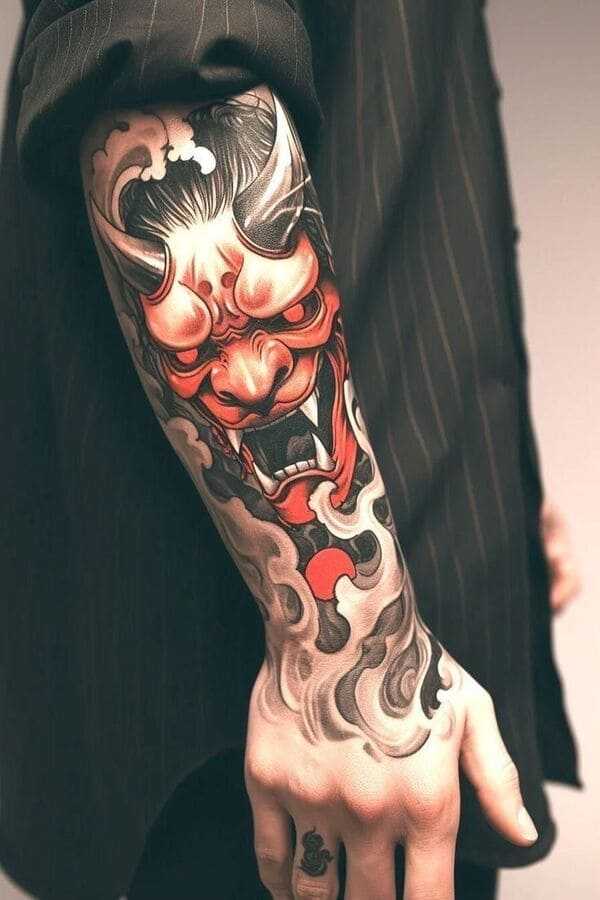
- Traditional Japanese Oni: Rich in color and deeply rooted in storytelling. Ideal for those who appreciate Japanese culture and want a large-scale sleeve or full-arm tattoo.
- Realism: Highly detailed and lifelike, with a strong focus on facial expressions, eye contact, and texture. Perfect for those who value emotional depth and subtle intensity.
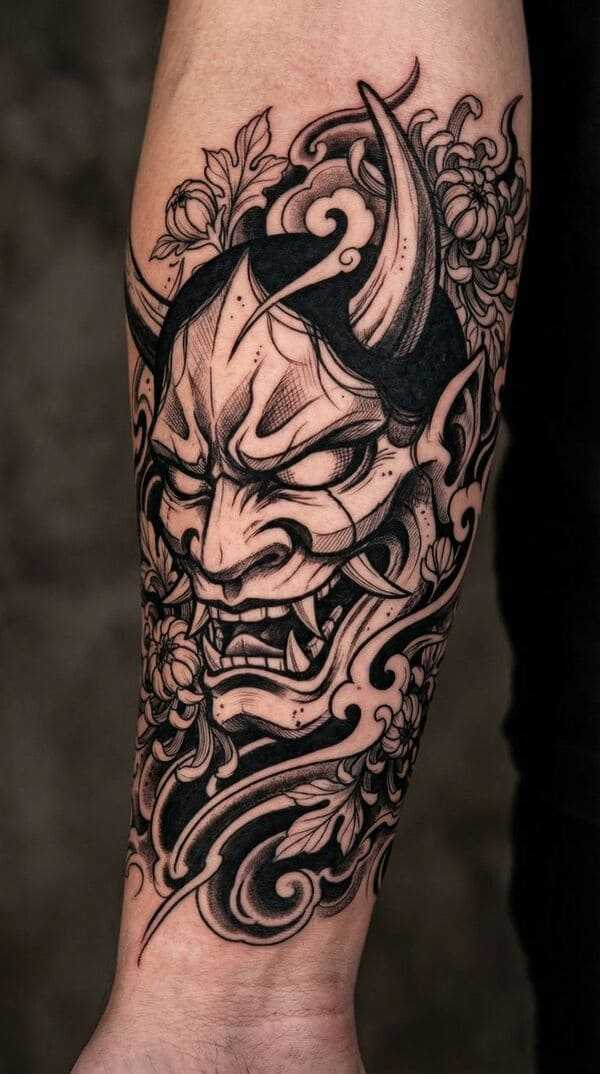
- Blackwork: A style that uses bold, solid black ink to create striking contrast and dramatic visual impact. Best suited for people who prefer powerful, clean designs that age exceptionally well.
- Neo-Traditional: A modern evolution of traditional tattooing, featuring bold outlines, vibrant color palettes, and enhanced decorative details. Ideal for those seeking a balance between classic artistry and contemporary aesthetics.
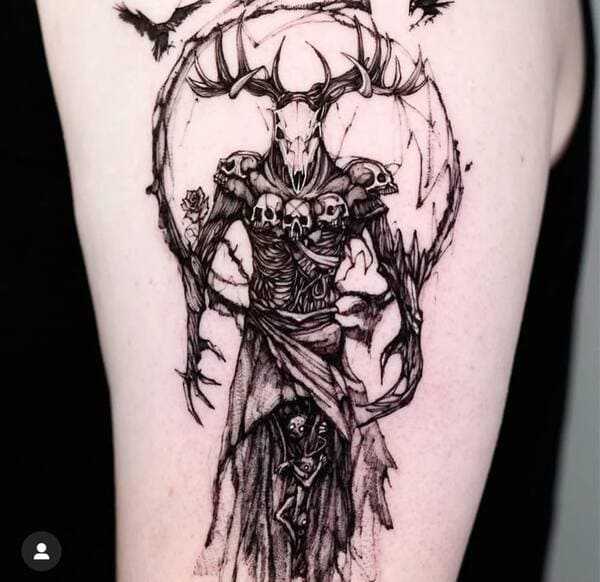
- Gothic & Dark Fantasy: Dark, mysterious, and richly detailed with supernatural themes. A great choice for fans of horror-inspired visuals and fantasy art.
- Female Demon & Cyber Demon: Blending feminine power with futuristic aesthetics, these designs combine elegance, strength, and sci-fi influences. This has become one of the fastest-growing tattoo trends of 2026.
Emerging Devil Tattoo Design Trends in 2026
Beyond the major tattoo styles, several emerging trends are shaping the aesthetic direction of 2026. They reflect a noticeable shift away from purely intimidating imagery toward more artistic, symbolic, and emotionally expressive designs.
- Fine Line: Delicate, ultra-thin lines create a refined and understated demon portrait. This style is ideal for those who want a subtle, minimalist symbol rather than a bold statement piece.
- Watercolor: Soft, flowing washes of color mimic the look of watercolor paintings, breaking away from the rigid appearance of traditional tattoo styles. This artistic approach can feel both fierce and dreamlike at the same time.
- Negative Space: By intentionally leaving areas of untouched skin, tattoo artists allow the viewer’s eye to complete the image. This technique creates depth, contrast, and visual intrigue without relying on heavy ink coverage.
- Floral & Mythical Pairings: Demons are often combined with elements such as snakes, cherry blossoms, roses, or peonies to create visual balance. Placing beauty alongside ferocity enhances the symbolism of both, resulting in a more layered and meaningful composition.
How to Choose the Right Elements for Your Custom Demon Design
A timeless tattoo is shaped by more than just its artistic style. The smallest design choices often have the greatest impact on its meaning and visual appeal.
- The Eyes: The eyes are the soul of the design. Whether they express rage, sorrow, or quiet determination can completely transform the message of the artwork.
- Color Palette: Red and black often symbolize power, passion, and intensity, while cooler blue tones evoke solitude, mystery, and emotional depth.
- Size: The more intricate the design, the more space it requires. A highly detailed demon portrait that is too small may lose clarity and definition as it ages.
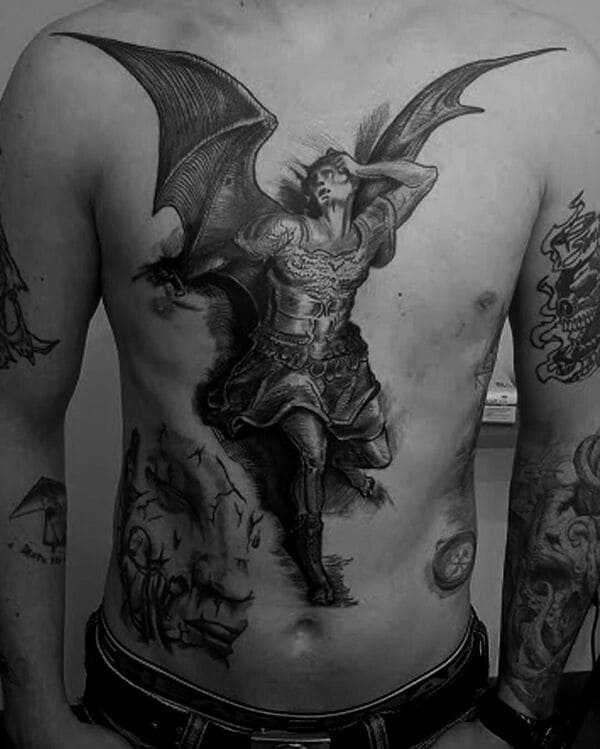
One of the defining tattoo trends of 2026 is simplified storytelling. Rather than overcrowding a design with excessive details, many people now prefer expressive compositions that communicate emotion through a single powerful focal point. A realistic devil tattoo may need nothing more than a compelling gaze to tell its entire story. Meanwhile, a Lucifer tattoo inspired by religious imagery often represents themes of downfall, pride, and rebellion.
There is no universally “best” tattoo style. The right style is the one that authentically reflects your personal journey. At Holistic Ink, tattoo artists typically create a custom tattoo design for each client instead of replicating existing artwork, ensuring every piece is both meaningful and one of a kind.
Personalization continues to be one of the strongest trends in modern tattooing. Rather than selecting pre-made artwork, more people are investing in custom tattoos and personalized tattoo designs inspired by their own experiences. A truly exceptional tattoo is more than visually striking—it embodies the art of tattoo storytelling, creating a personal legacy that cannot be duplicated.
Demon Tattoo Meaning & Symbolism by Holistic Ink
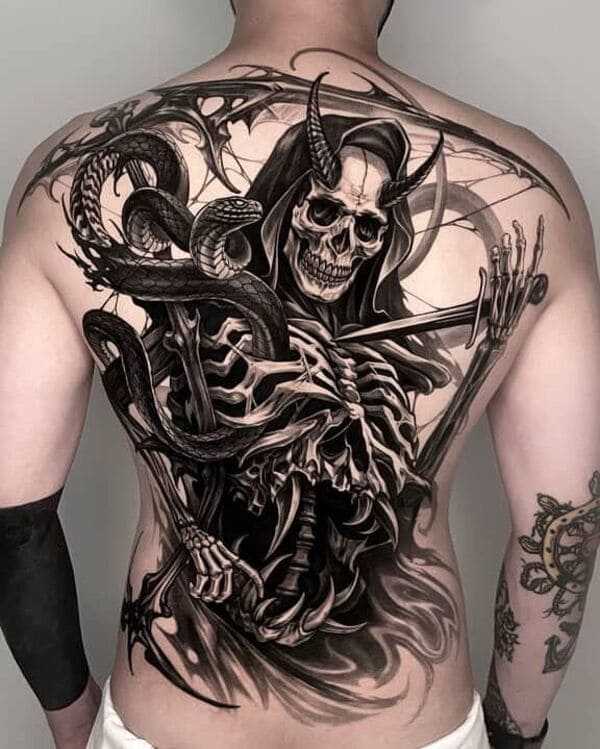
The image of a demon is not exclusive to a single culture. It appears throughout Eastern mythology, Western folklore, and contemporary art alike. This rich cultural heritage gives the demon tattoo meaning multiple layers of interpretation rather than limiting it to a single message.
What makes it so compelling is this: a demon rarely represents pure evil. In many legends and myths, demons serve as guardians of the threshold, standing between light and darkness. They force the protagonist to confront their deepest fears before moving forward. For this reason, people who choose this imagery are rarely celebrating darkness itself. Instead, they acknowledge its existence—and symbolize their ability to overcome and master it.

What Does a Demon Tattoo Symbolize?
Imagine the inner demons that exist within all of us—anger, fear, or emotional wounds that have yet to heal. Many people choose this tattoo as a way to give these invisible struggles a tangible form. Once they can see them, they can confront and control them. This idea lies at the heart of its symbolism.
In modern psychology, the demon archetype is often associated with Carl Jung’s concept of the shadow self—the hidden side of our personality that contains the emotions and traits we tend to suppress or avoid. When expressed through body art, this powerful symbol becomes a representation of self-acceptance, emotional resilience, and the ongoing journey of overcoming long-standing inner conflicts.
The same demon face can carry a different meaning for every wearer:
- Inner strength: A reminder of surviving one of life’s darkest chapters.
- Emotional healing: A symbol of moving beyond pain and past trauma.
- Transformation: Representing the death of the old self and the birth of a stronger new identity.
- Rebellious individuality: A statement of authenticity and living life on your own terms.
The more intimidating the design appears, the more powerful the message of personal triumph becomes. That paradox is exactly what gives these designs their lasting emotional impact.
The Cultural and Spiritual Meaning Behind Demon Symbolism
Every culture has its own interpretation of the demon archetype. Understanding the origins of these symbols allows you to choose a design that reflects the right meaning—not just an eye-catching appearance.
- Oni in Japanese culture are not simply evil beings. Traditionally, oni masks were displayed at the entrances of homes to ward off evil spirits and misfortune. As a result, the oni tattoo meaning is often associated with protection, resilience, and fierce strength used to safeguard others.
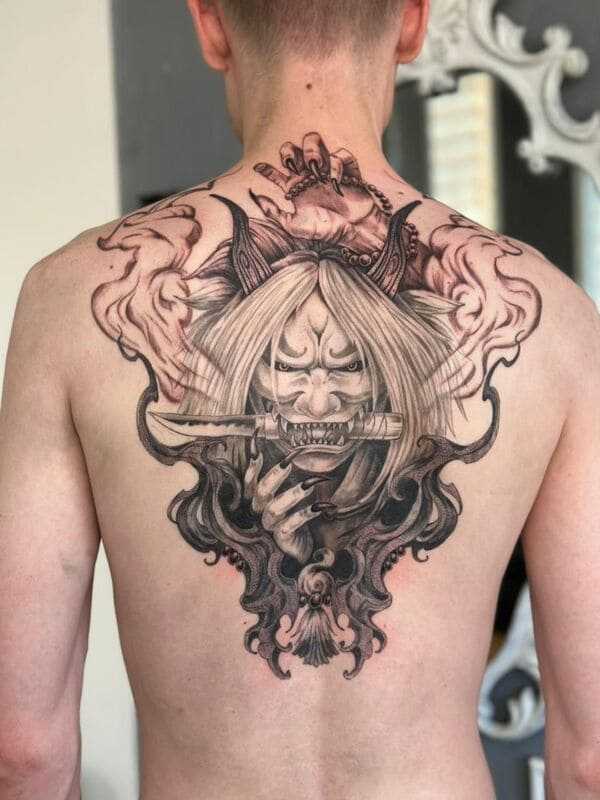
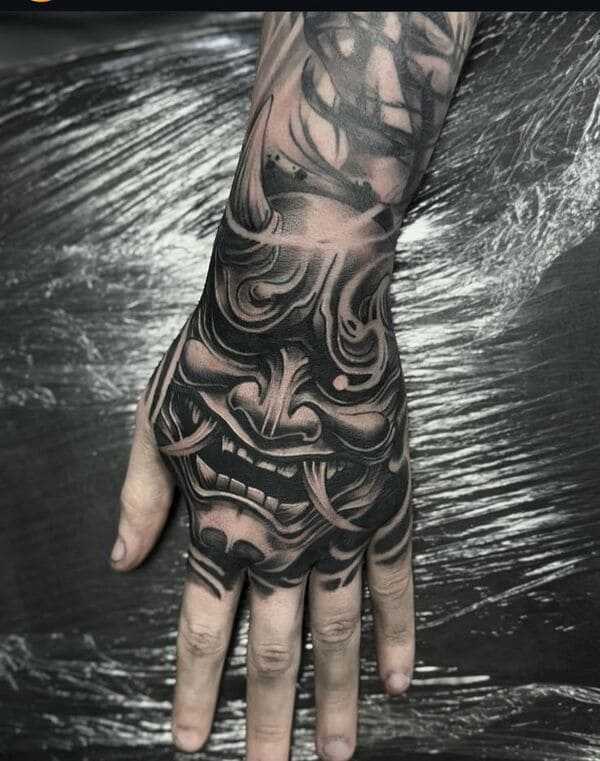
- Hannya is one of the most emotionally complex figures in Japanese tattoo art. It tells the story of a woman transformed into a demon through jealousy, heartbreak, and overwhelming sorrow. Look closely, and the mask reveals both rage and grief at the same time. This is why many people choose a Hannya tattoo to symbolize emotional pain, lost love, and personal transformation.
- Asura, rooted in Eastern mythology, represents relentless ambition, inner conflict, and the constant struggle for self-improvement. It resonates with individuals who have fought through adversity to become stronger.
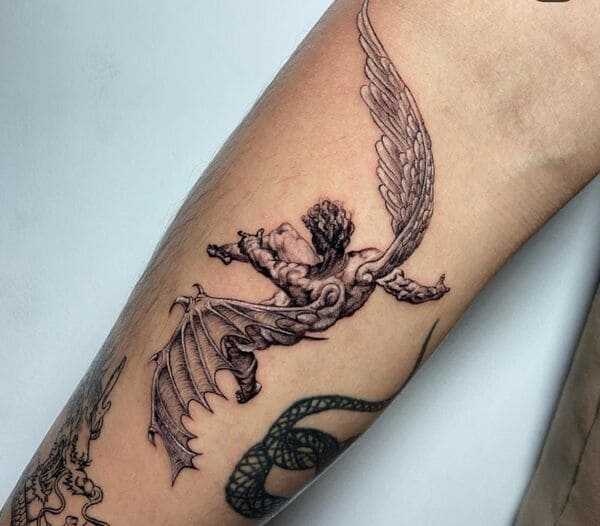
Beyond Oni and Asura, many tattoo designs also draw inspiration from Lucifer, the Fallen Angel, Baphomet, Tengu, and Yokai. Each figure carries its own symbolic meaning, ranging from rebellion and forbidden knowledge to spiritual awakening and the exploration of one’s true self through the myths and legends of different cultures.
Many people also ask whether an Oni is considered a demon. The answer is yes—Oni are the traditional demons of Japanese folklore. A Japanese demon tattoo often features an Oni as its central element, complemented by waves, cherry blossoms, snakes, or other traditional Japanese motifs to create a richer and more meaningful composition.
Choosing the Right Placement and Proper Aftercare
Tattoo placement influences both the visual impact and the meaning of your design. A design placed close to the heart often conveys a deeply personal and intimate story, while the same artwork on the forearm becomes a bold statement that is meant to be seen.
Beyond symbolism, experienced tattoo artists also consider your body’s natural anatomy and the overall composition of the design. When positioned thoughtfully, a tattoo flows more naturally with the body’s contours, creating a balanced appearance that remains visually appealing through every movement. For this reason, tattoo placement is an important decision that deserves careful consideration before getting inked.
Recommended Tattoo Placements
- Full Sleeve: Offers ample space for large-scale artwork with layered storytelling and intricate details.
- Forearm: Highly visible yet versatile, making it an excellent choice for both first-time collectors and experienced tattoo enthusiasts.
- Chest: Positioned close to the heart, this placement carries a deeply personal and symbolic meaning.
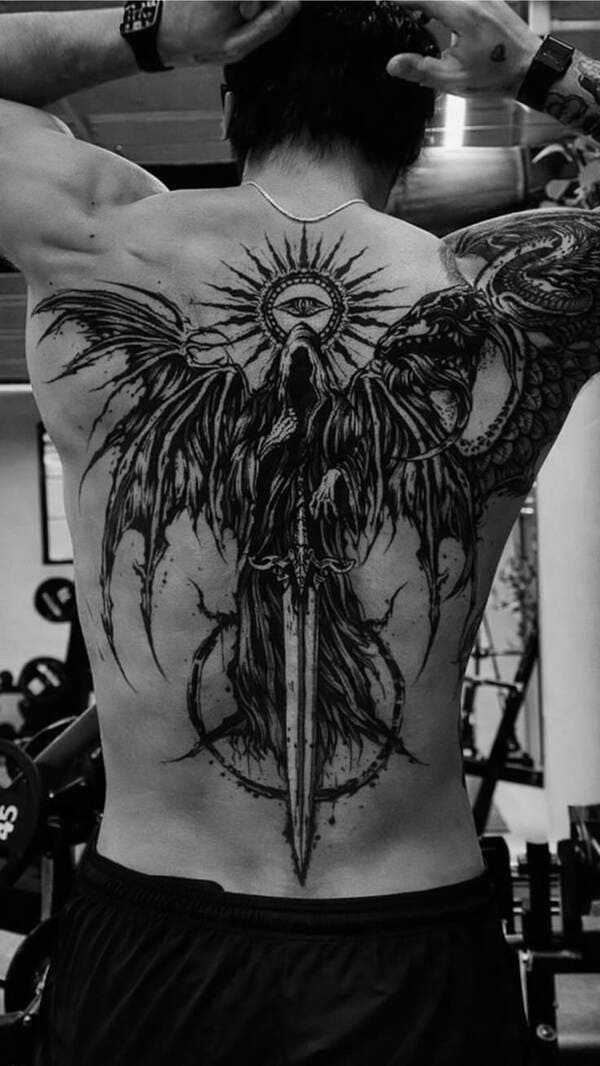
- Back: A broad canvas that allows for highly detailed compositions and complex tattoo designs.
- Neck: Bold, expressive, and instantly eye-catching—ideal for those who want to make a strong visual statement.
Peter, one of our long-time clients, offers a meaningful example. After spending two years recovering from depression, he wanted a tattoo that would mark that turning point in his life. He chose a Hannya tattoo on his forearm. At first, his family was concerned because the design looked intimidating. But to him, the demon’s face represented the darkness he had already overcome.
Before beginning the tattoo, the artist spent three separate consultation sessions listening to Minh’s story. Together, they softened the character’s gaze and added a subtle expression of sorrow, transforming the design into something both powerful and deeply human. Today, every time Minh looks at his forearm, he is reminded not of the struggles he endured, but of how far he has come.
Tattoo Aftercare Tips for Long-Lasting Results
Keeping your tattoo vibrant for years isn’t complicated. In most cases, the surface of the skin heals within two to four weeks. Following a few essential aftercare practices will help preserve both the color and the fine details of your artwork.
- Gently cleanse the tattoo and apply a light layer of moisturizer every day.
- Avoid direct sun exposure, as UV rays are the leading cause of tattoo fading.
- Never pick at peeling skin or go swimming before the tattoo has fully healed.
- Schedule a touch-up session if needed to restore color and sharpness over time.
Among all aftercare practices, sun protection is the most important. The better your tattoo is protected from UV exposure, the longer its colors and details will remain vibrant.
A truly exceptional tattoo begins with a thoughtful consultation. Drawing on their experience, artistic vision, and portfolio, a skilled tattoo artist can recommend the ideal placement, level of detail, and style that best suits your anatomy and personal story. In the end, experience, technical expertise, and outstanding tattoo craftsmanship are what determine the long-term quality of any tattoo.
A demon tattoo is far more than an intimidating image. It is a form of storytelling—one that captures strength, transformation, and personal identity. Choosing the right style and placement ensures that message remains meaningful for years to come. Before making your final decision, take the time to consult with a professional tattoo artist who understands both the artistic and symbolic aspects of the design.
If you’d like expert guidance or have questions about tattoo styles, placement, or technique, contact Holistic Ink for a free consultation.