Some decisions in life take years to make, and choosing a back tattoo is often one of them. It is not simply because of the pain, but because the meaning behind the design is too significant to rush. This placement is often reserved for the most important story a person wants to carry throughout life. At Holistic Ink, we understand that. This guide explores its symbolism, popular design choices, and key technical considerations so you can walk into your consultation with confidence instead of uncertainty.
Discover Back Tattoo Meaning And Symbolism With Holistic Ink
A back tattoo stands out not only for its size and visual impact but also for the deeply personal message it carries. From the placement itself to every individual element, each detail helps tell a story about the wearer’s beliefs, life journey, and identity. Before exploring the meanings behind popular symbols, it is important to understand why the back is considered one of the most meaningful placements in tattooing and how its expansive space allows a design to reach its full potential.

Why A Back Tattoo Works Best On The Body’s Largest Canvas
Most people who choose a back tattoo do not begin with appearance alone. They begin with a simple question. What is meaningful enough to carry for a lifetime? That is why this placement, even though it is usually hidden from view, often holds the most personal and profound stories.
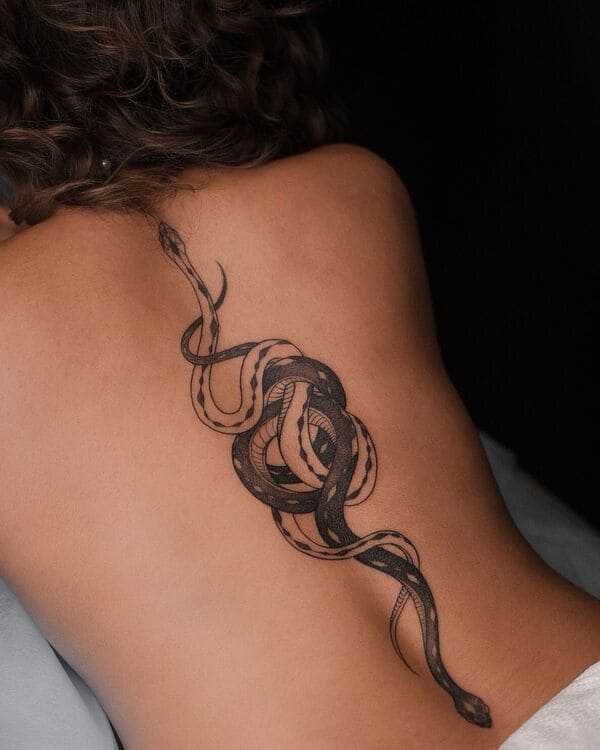
In both traditional and modern tattooing, the back carries its own symbolic meaning. Across many cultures, it represents the burdens people carry through life, including heritage, memories, and quiet inner strength. A tattoo that follows the spine is often chosen to express resilience. The spine represents physical support, while it also symbolizes emotional strength and determination. This is not a coincidence. It is a deliberate form of body language chosen by the wearer.
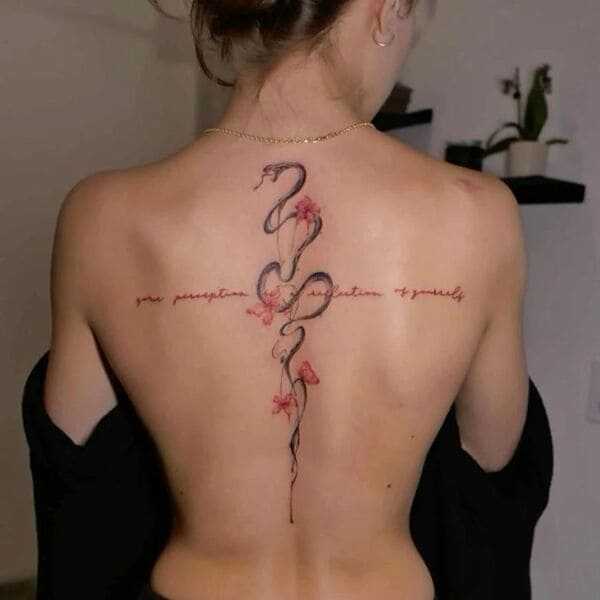
What truly sets the back apart from the wrist, forearm, or neck is the amount of space it provides. The upper back, lower back, spine, and full back can each serve as an individual canvas or come together as one unified composition. The natural curves of the spine and shoulder blades create a built in framework that allows the artist to achieve balance and proportion without forcing the design. The body’s natural shape becomes part of the artwork itself.
Another important advantage is control over visibility. This type of tattoo is not constantly on display. The wearer decides when and with whom to share it. Every reveal becomes an intentional choice rather than an accidental moment. That sense of control adds another layer of meaning to the piece.
The back also offers room for future expansion. A small design on the upper back can later grow into a full-back composition or even become part of a larger bodysuit if it is planned carefully from the beginning. For that reason, many people choose to start with a central symbol that can gradually expand instead of covering the entire area in a single session.
Popular Back Tattoo Symbols And The Messages They Represent
The generous space of the back allows symbols to be displayed in their complete form without being cropped or reduced to the point where their meaning is lost. Each symbol carries its own significance, and understanding that meaning is the first step toward choosing a design that truly reflects your story.
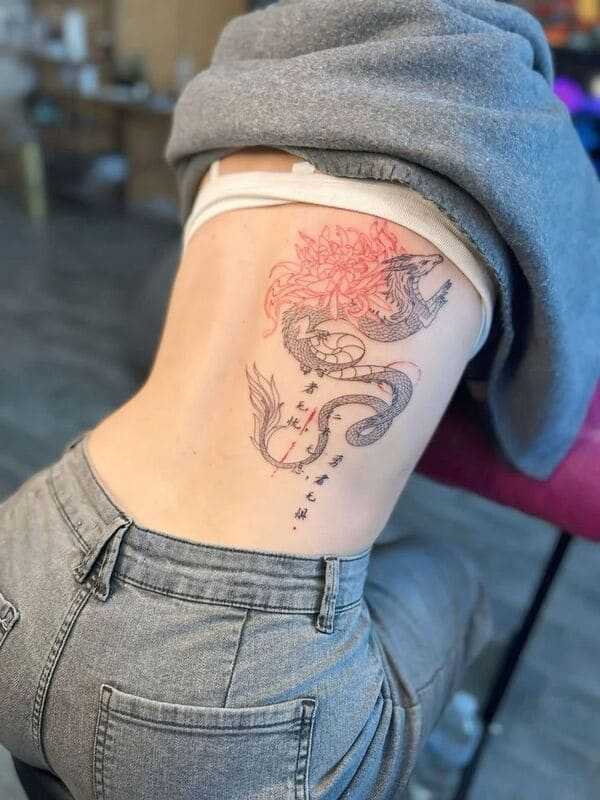
The dragon represents strength, wisdom, and protection in East Asian culture. On the back, it is often designed to flow along the spine or wrap across the entire back, making it one of the most iconic compositions in traditional Japanese tattooing. The phoenix symbolizes rebirth and transformation. It is especially meaningful for people who have overcome loss, illness, or major turning points in life and want to commemorate the moment they began again.
Angel wings represent freedom, spiritual faith, and divine protection. Their wide placement across the shoulder blades takes full advantage of the body’s natural proportions in a way that few other tattoo placements can. The lion symbolizes courage and the desire to protect loved ones. It remains a popular choice for back tattoos for men who want to express responsible strength rather than aggression. The wolf represents loyalty to family, survival instincts, and a deep connection with nature.
The lotus flower rises from muddy water without losing its purity, making it a symbol of resilience, enlightenment, and personal growth through adversity. A mandala, with its symmetrical geometric structure, represents inner balance and harmony with the universe. This design is especially meaningful for people drawn to meditation or spiritual practice, and the center of the back provides an ideal location where a complete mandala can expand naturally in every direction.
In Japanese tradition, the koi fish swimming upstream symbolizes perseverance, determination, and transformation. The Tree of Life represents the connection between the past, present, and future by linking ancestors, the individual, and future generations. A compass symbolizes direction, purpose, and the ability to find yourself after losing your way. Every one of these symbols can be interpreted through different artistic styles, including realism, blackwork, and geometric tattooing, allowing the design to reflect each person’s unique story.
Beyond these familiar choices, many people also find inspiration in Celtic symbolism, Norse symbolism, Polynesian tattoo traditions, and Buddhist symbolism. Each culture has its own symbolic language rooted in history, beliefs, and philosophy. Learning the origins of these symbols before choosing a design helps preserve both their cultural significance and their personal meaning.
How To Choose A Tattoo For Your Back That Reflects Your Story
Choosing a tattoo should not begin with images. It should begin with one important question. What personal story do you want this tattoo to preserve? This is always the first step our team focuses on during every consultation because once you have the answer, every other decision becomes much clearer.
The next step is choosing the symbol before selecting the final artwork. Many people do the opposite. They find an attractive tattoo online and want to copy it. However, a symbol that reflects your own journey will always hold greater long term value than a design chosen only for its appearance. Once the symbolism is clear, the artist can create artwork that grows naturally from its meaning instead of forcing your personal story into an existing design.
A high quality tattoo always begins with a professional tattoo consultation rather than an impulse decision. During the consultation, the artist develops a custom tattoo, prepares a tattoo sketch, creates a stencil, and carefully considers your body anatomy to build a composition that fits your natural proportions. This process creates a more balanced design, reduces the need for future adjustments, and preserves the original vision behind the tattoo.
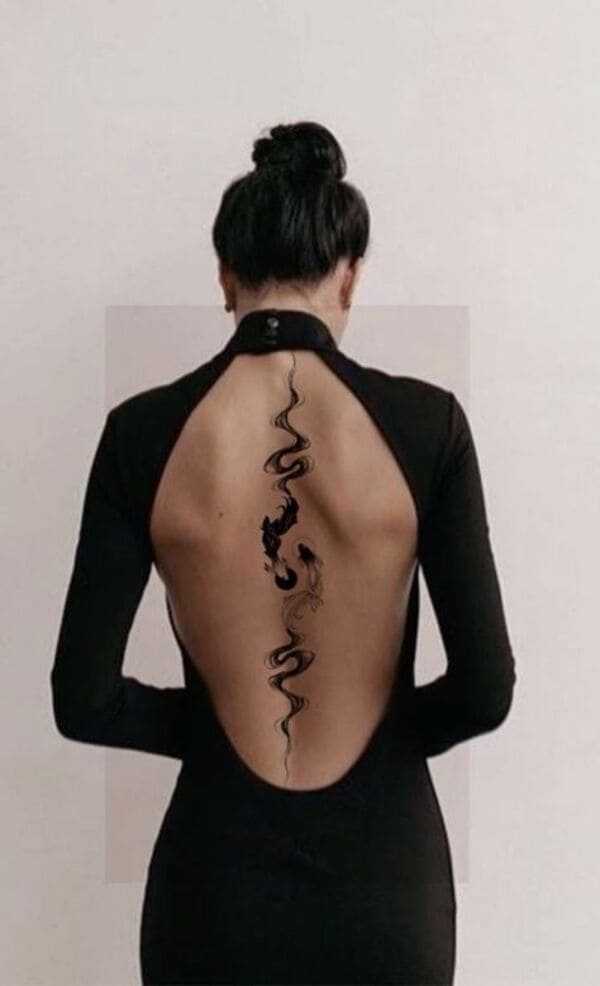
The tattoo style is the next important consideration. Fine line tattoos work well for smaller and more personal designs. Japanese tattooing is ideal for powerful symbolic compositions with epic storytelling. Neo traditional offers a balance between classic and modern aesthetics. Other popular choices include ornamental, dotwork, illustrative, and biomechanical styles for people who want a distinctive artistic identity.
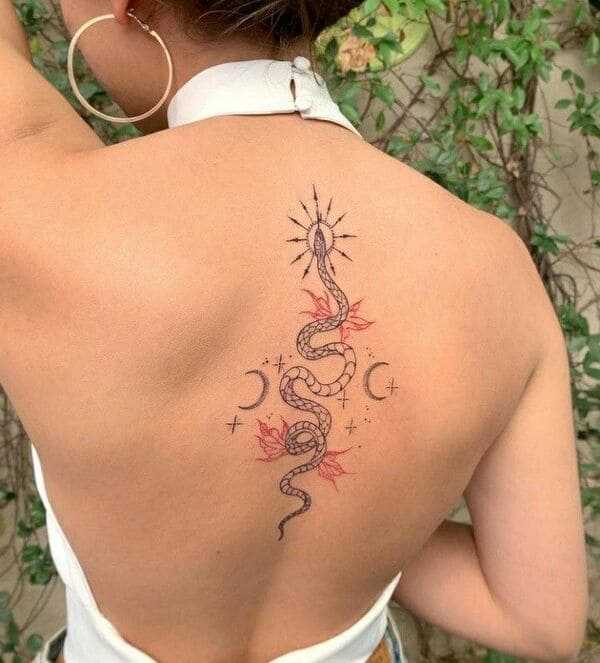
The exact placement on the back also shapes the story your tattoo tells. Back tattoos for women often feature vertical compositions along the spine or elegant designs that extend across the shoulder blades using delicate linework. Popular choices include lotus flowers, angel wings, mandalas, and ornamental patterns with intricate decorative details. Back tattoos for men more commonly cover larger areas and use bolder visual styles. These are not strict rules but simply common preferences. The most important goal is choosing a design that genuinely reflects your personality and personal journey.
If this is your first tattoo, it is often better to choose a design that leaves room for future expansion instead of covering the entire back from the beginning. This approach works especially well for anyone getting a first tattoo, planning a large tattoo, or expecting to expand the artwork over time.
Finally, think about the future of your design. If you may want to add new elements years from now, the original composition should be built around a clear central structure with intentional open space. That planning allows future additions to blend naturally with the existing artwork instead of disrupting the overall composition.

Preserve The Beauty And Meaning Of Your Back Tattoo
A back tattoo keeps its value only when both the design and the aftercare receive the attention they deserve. Choosing a timeless style is important, but following the proper aftercare routine is just as essential for preserving the artwork’s beauty, sharpness, and personal meaning for many years.
Choose A Timeless Tattoo Design
A lasting tattoo is not defined only by how it looks on the day it is finished. It should continue to hold its character and structure ten or even twenty years later as your skin and body naturally change with age.
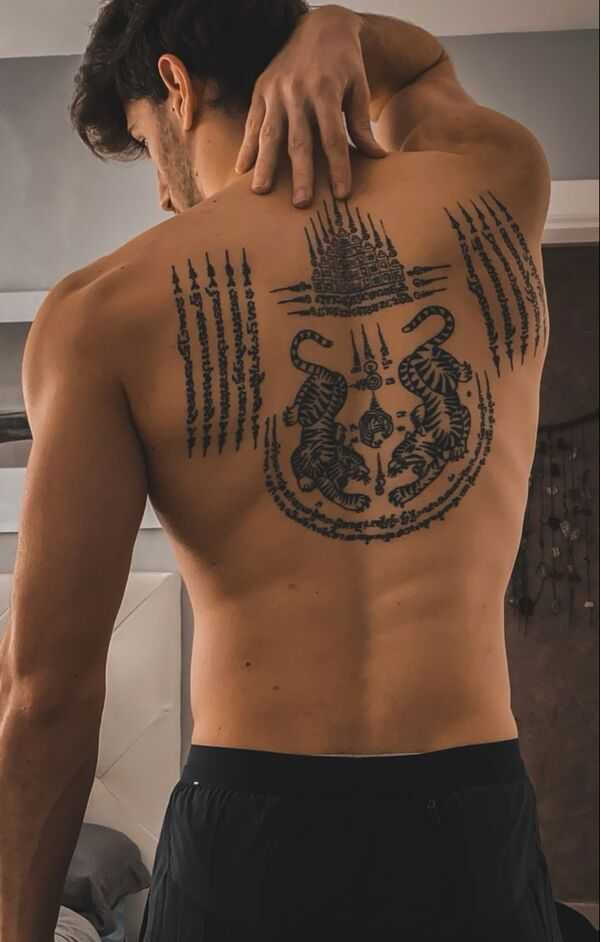
Size is the first factor to consider. Details that are too small, especially lines thinner than one millimeter, are more likely to blur over time, particularly in areas exposed to frequent movement or sunlight. A design with larger details that can maintain clear definition over the years is often a more practical choice, even if it appears less delicate at first.
A balanced composition also plays a major role in long term visual appeal. Designs built around a clear central structure and a natural visual flow are less likely to lose harmony as the skin ages. Artwork that follows the natural curves of the spine and shoulder blades continues to look balanced even as the body changes. Careful attention to visual balance, a strong focal point, effective use of negative space, and appropriate line weight all help preserve depth and aesthetic quality over time.
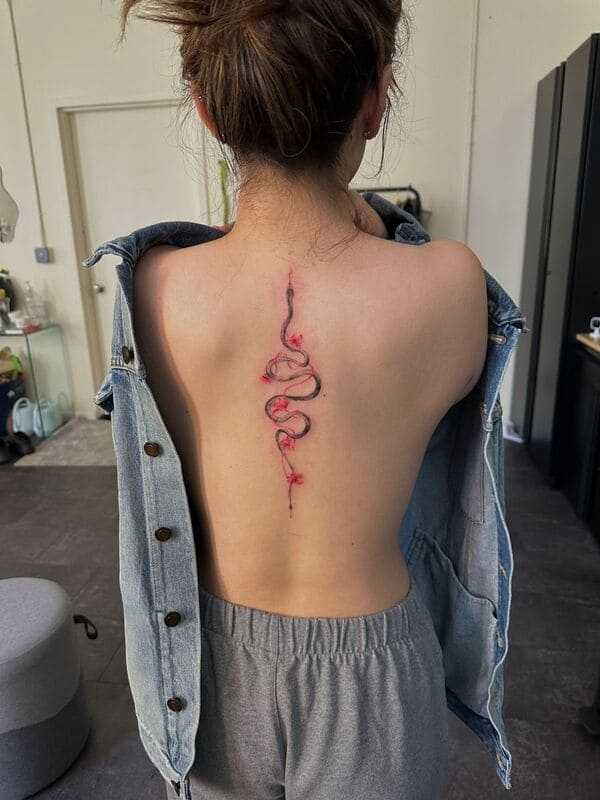
Choosing between black and grey tattoos and color tattoos is another important consideration. Black and grey tattoos generally age better because black ink contains larger pigment particles that are more resistant to ultraviolet light. However, a color tattoo created with high quality ink and proper technique can also remain vibrant for many years when it receives consistent care. Today, geometric and blackwork styles are widely recognized for maintaining crisp details over time, while watercolor tattoos usually require more frequent touch ups to keep their original appearance.
Care For Your Tattoo Properly
The healing process for a large tattoo usually takes between three and six weeks, depending on the size of the design and your skin’s condition. During the first week, the priority is keeping the tattoo clean while avoiding unnecessary friction. Wash the area gently twice a day with fragrance free soap, then pat it dry with a clean paper towel instead of rubbing it with a fabric towel, since rough fibers can damage the new layer of healing skin.
Healing is also affected by your skin type, ink saturation, and the length of each tattoo session. Dry skin, oily skin, and skin with existing scar tissue all heal differently. Understanding these factors helps set realistic expectations and allows you to work closely with your artist throughout the recovery process.
Starting on the second day, apply a tattoo moisturizer after every wash. Avoid products that contain alcohol or artificial fragrances because they can irritate the skin and slow healing. Apply only enough ointment or moisturizer to keep the skin comfortable. The tattoo should feel hydrated without becoming overly greasy because the skin still needs to breathe.
Sunlight is one of the biggest threats to tattoo ink. Prolonged ultraviolet exposure reduces color retention and can speed up ink migration over time. Protecting your tattoo from the sun remains one of the most effective ways to preserve its quality for years.
Sleeping position is another detail that many people overlook. During the first two weeks, sleeping on your back while wearing or resting on soft cotton fabric is usually the best option. Sleeping on your stomach places pressure and friction directly on the fresh tattoo, which can cause discomfort and affect the final healing result.
Do not scratch or pick at scabs, no matter how itchy they become. This is one of the most common causes of uneven color loss because pigment can be pulled away before the new skin has fully secured it. Wear loose, soft clothing throughout the healing period to reduce unnecessary friction.
Once the skin has fully settled, usually between six months and one year after the tattoo is completed, schedule a touch up if needed. At that stage, the artist can refresh faded areas or refine any lines that have softened. A well timed touch up can extend the tattoo’s visual quality for many more years.
Keep these essential aftercare tips in mind throughout the healing process.
- Wash the tattoo gently with fragrance free soap twice a day during the first week.
- Apply a specialized tattoo moisturizer after every wash using only a thin layer.
- Avoid swimming and soaking the tattoo for at least three weeks.
- Keep the tattoo out of direct sunlight until it has completely healed.
- Never scratch or remove scabs while the skin is healing.
- Wear loose, soft clothing to minimize friction.
- Apply SPF 50 sunscreen whenever the healed tattoo is exposed to the sun.
- Schedule a touch up after six months to one year if any adjustments are needed.
If you notice unusual symptoms such as prolonged swelling or discharge, contact your tattoo artist or a healthcare professional as soon as possible for guidance. Using an appropriate tattoo ointment, staying well hydrated, and paying close attention during the peeling stage all help reduce the risk of infection and support a smooth healing process.
A back tattoo is far more than an aesthetic choice. It is a commitment to yourself that your story deserves to be told, preserved, and carried with you every day, even when no one else can see it. From choosing the right symbol and defining the right style to following every step of the aftercare process, each decision contributes to a meaningful piece of art with lasting value.
If you would like more information or professional guidance, contact Holistic Ink for a free consultation. Our experienced team is ready to provide expert advice, professional service, and prompt support.