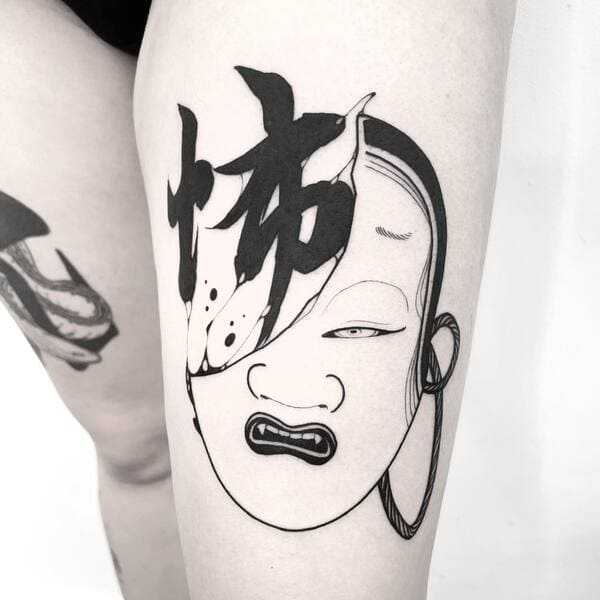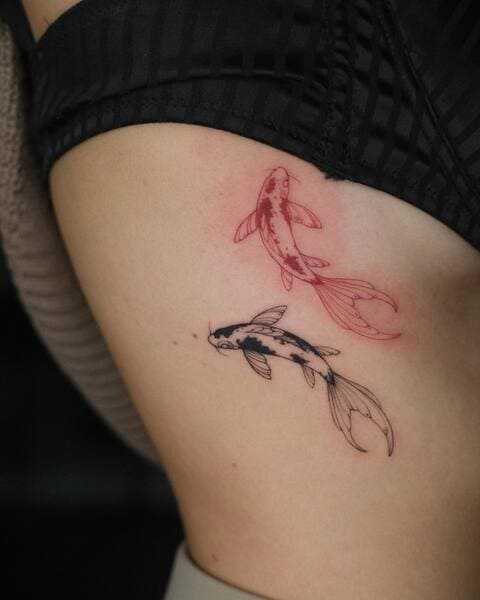
Have you ever wondered why two lettering tattoos can look completely different—one appearing professional and refined, while another looks like it was drawn with a ballpoint pen? The answer lies in the difference between true tattoo letters and simply copying a font onto the skin.
The art of lettering tattoos is not just about placing characters on the body; it is a process of designing letterforms specifically for each area of skin and for each personal message. Unlike using pre-made fonts, tattoo lettering styles require a high level of skill in both design and technical execution. The artist team at Holistic Ink understands this distinction clearly through more than five years of experience.
Typography tattoos are currently a popular trend among younger generations and creative tattoo enthusiasts. The ability to convey powerful messages through each stroke is what draws many people to this style. From meaningful quotes to the names of loved ones, lettering tattoos allow you to preserve memories in a lasting way.
What Is Tattoo Lettering, and Why Isn’t All “Text Tattooing” the Same at Holistic Ink?
Many people assume that text tattoos are simply a matter of choosing a font tattoo writing and tattooing it onto the skin. In reality, tattoo lettering is a specialized branch of tattoo art. It requires an understanding of both typographic design and the biological characteristics of human skin.

Distinguishing Professional Lettering Tattoos from Ordinary Text Tattoos
A professional lettering tattoo process begins with a careful assessment of the skin area—taking into account surface curvature, muscle movement, and how the skin may stretch over time. The artist then sketches the lettering, fine-tuning stroke proportions and character spacing before creating a test layout directly on the skin. This step is essential to reduce the risk of distortion, misalignment, or imbalance once the tattoo has healed.

Key differences between artistic lettering for tattoos and standard text tattoos include:
- Custom design for each body area: Every part of the body has different tension, curvature, and elasticity. Professional typography tattoos are always designed with these variables in mind, rather than relying on one-size-fits-all fonts.
- Refined linework technique: Calligraphy tattoos require precise control over line weight, stroke continuity, and stability during the healing process. A well-executed lettering tattoo maintains clean, unbroken lines without ink buildup and stays legible over time—even on areas with moderate skin movement.
- Careful spacing and proportion: Stylized tattoo letters must be scaled and spaced appropriately for the size and shape of the tattooed area. Proper proportions prevent letters from warping or looking unbalanced as the body moves and ages.
Tattoo lettering fonts technique requires a distinct design-oriented mindset
Fine line lettering demands the highest level of precision. The artist must understand how skin stretches in different areas of the body—skin elasticity on the forearm and the back, for example, is completely different. For this reason, the same font tattoo writing must be adjusted differently depending on the placement.
The execution time typically ranges from 2 to 6 hours, depending on the level of complexity. Custom lettering design takes more time but results in a truly unique outcome. Linework technique is the decisive factor that determines the long-term durability of a lettering tattoo.

The Most Popular Lettering Tattoo Design Styles Today
Choosing the right lettering style helps first-time clients avoid regret, while also giving those looking to refresh or correct existing tattoos a clearer direction. Each lettering style suits different purposes, personalities, and skin conditions, rather than being chosen solely based on trends.
Popular Tattoo Lettering Styles and the Audiences They Suit
Script letters tattoo – Calligraphy lettering: Suitable for those who appreciate softness and emotional expression. This style is commonly chosen for tattooing a loved one’s name or meaningful quotes. Handwriting-style lettering creates an intimate, personal feel.

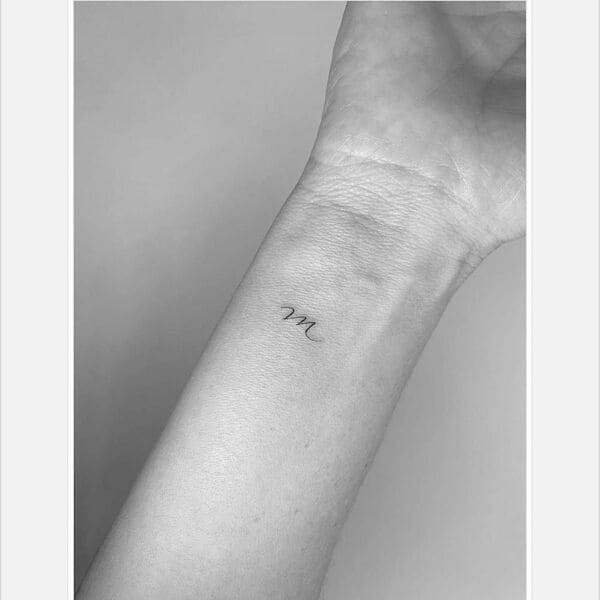
Minimalist lettering tattoos: A refined, modern trend. People who prefer simplicity often choose this style. Fine line lettering falls into this category, with stroke widths typically ranging from 0.3 to 0.5 mm.

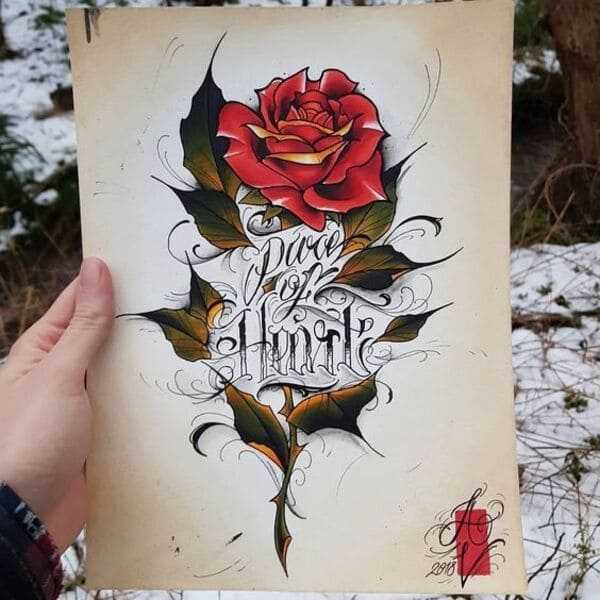
Gothic / Old English: Bold and expressive. Individuals with strong personalities often favor these classic tattoo lettering styles alphabet. Blackletter fonts create a powerful visual impact.

Script fonts tattoo lettering: Fully customized designs based on personal requests. This is the preferred choice for those who want a completely unique tattoo design.

Brush lettering style: Imitates brush strokes, creating a sense of movement and energy. Neo-traditional lettering combines classical elements with modern aesthetics.
How to Choose Lettering Tattoos That Age Well and Avoid Regret
Making the right choice helps ensure a tattoo that remains durable, visually appealing, and true to the intended message over time. It also helps avoid both aesthetic and technical risks.
Common risks in lettering tattoos often come from choosing lettering that is too small, tattoo lettering fonts with excessive detail, or ignoring individual skin characteristics. These mistakes can cause the letters to blur, ink to bleed, or readability to fade after a few years. In many cases, clients are forced to cover up old tattoos or refresh the lettering, which increases costs and limits future aesthetic options.

Factors That Affect the Longevity of Font Tattoo Writing
Tattoo placement: Areas with less friction, such as the shoulder or upper back, retain clarity longer than the wrist or hand. Regions with prominent tendons, like the back of the hand, are more prone to letter distortion.
Letter size: Letters that are too small (under 0.5 cm) tend to blur over time. Medium-sized lettering (1–3 cm) offers the best durability. Letter spacing should be at least 2 mm.
Ink color: Black ink holds its definition the best. Lighter colors such as yellow or pink tend to fade more easily. Organic inks are safer for sensitive skin.
Future Trends in Tattoo Lettering Alphabets
3D modeling technology will allow for more accurate previews. AI-assisted lettering for tattoo designs will help optimize letter proportions. Vegan ink is becoming increasingly popular.
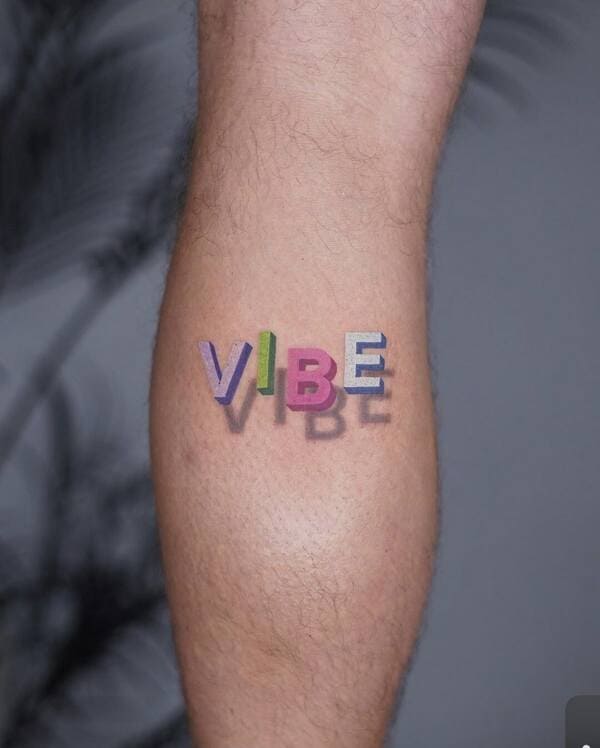
Mixed media lettering is expected to emerge as a new trend. Watercolor backgrounds combined with black lettering will create striking visual accents.

How to Care for Lettering Tattoos to Maintain Long-Lasting Clarity – Advice from Holistic Ink
Initial stage (1–2 weeks): Gently cleanse with saline solution and apply fragrance-free moisturizer. Avoid contact with contaminated water.
Long-term care: Apply SPF 50+ sunscreen when outdoors. Vitamin E oil helps moisturize the skin and preserve ink color. Avoid scratching the tattooed area.
If the lettering becomes faded after 3–5 years, you can opt for a refresh to restore its original sharpness..
Important Checklist Before Getting a Lettering Tattoo
Before making your decision, take a moment to check:
- Have you tested the chosen font tattoo writing on the intended placement?
- Is the letter size suitable for the skin’s elasticity in that area?
- Does the lettering style truly match your personality and intended message?
- Have you received proper consultation on the appropriate linework technique?
- Does your budget align with the quality you expect?
Careful preparation helps ensure lettering for tattoo designs that you are truly satisfied with and that lasts over time. A professional artist team is always ready to provide detailed consultation so you can make the right decision.
Lettering tattoo art is not just an aesthetic trend—it is a way to express individuality and preserve personal memories. Choosing the right style and having it done at a reputable studio will give you a meaningful work of art on your body.
In the field of lettering tattoos, the difference between studios that specialize in lettering is clearly reflected in their design consultation skills, technical control, and experience in working with skin. Studios with artists dedicated to lettering typically place strong emphasis on pre-tattoo testing, explaining potential risks, and offering appropriate technical solutions, rather than relying solely on pre-made designs.
If you need more information or technical consultation, contact Holistic Ink for free, fast, and professional advice.