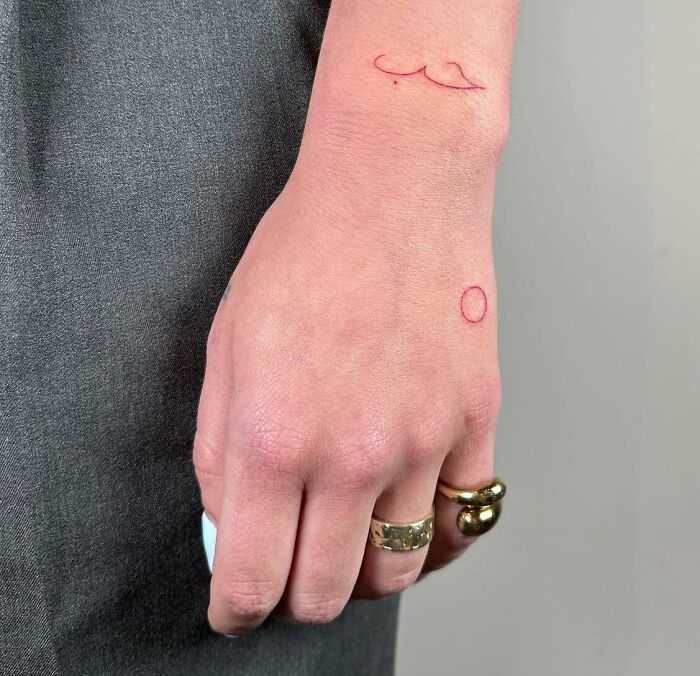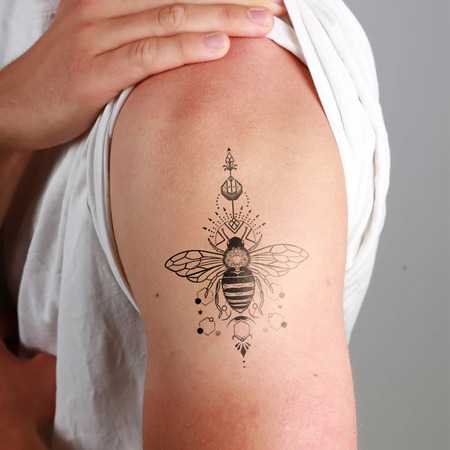
Small tattoos are no longer a compromise for those wary of long term commitment. They have become a standalone artistic statement, where value is defined by intentional simplicity rather than size. At Holistic Ink, we understand that even the smallest lines carry their own story. Minimalist body art requires far greater precision than traditional tattoo styles. A well executed micro tattoo must balance expressive clarity with lasting sharpness. This is why our fine line tattooing process is built on advanced single needle technology combined with high grade anti fade pigments. The art of small scale tattooing is not simply a reduced version of larger designs. It demands an entirely different design mindset, from managing negative space to choosing the appropriate needle depth for each area of the skin. In this article, you will explore the full journey from concept to aftercare, along with the key factors that determine 80 percent of the final outcome of a tiny tattoo.
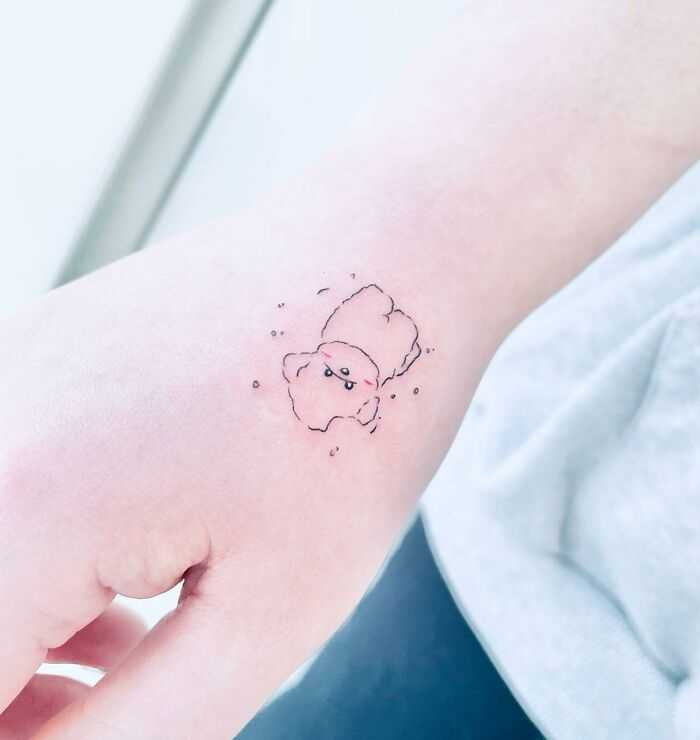
Why Have Small Tattoos Become a Modern Artistic Trend?
Definition: Minimal Form With Significant Expressive Power
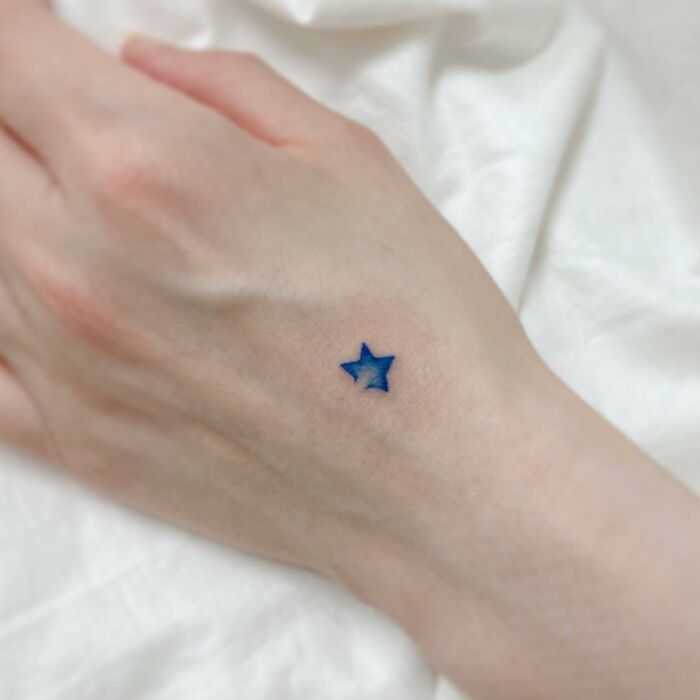
The definition of small tattoos is often understood as designs under five centimeters that use delicate lines and simplified details. However, the essence of minimalist body art goes far beyond this technical description. A successful micro tattoo is not measured by size, but by its ability to convey a clear message within a limited space. Fine line tattoos use a single needle or ultra thin needle clusters to create strokes as delicate as strands of hair. This technique allows artists to render intricate details that were once possible only in larger pieces. A tiny flower on the wrist may contain up to fifteen petals with visible vein structure, and a zodiac constellation behind the ear can still retain the sharpness of each point of light. Symbolic art in small scale tattooing often draws from the power of cultural symbols. A simple curve may represent the ocean, the lunar cycle, or the rhythm of breath. Subtle tattoos do not shout for attention, yet they leave a lasting impression upon closer observation. They create a quiet, intimate dialogue between the wearer and the viewer. Modern tiny tattoo ideas are no longer limited to basic flash designs. The trend is shifting toward full personalization. Clients now request pieces inspired by handwritten notes from loved ones, their child’s fingerprint, or a small sketch tied to a meaningful memory. Hand poked techniques are also gaining popularity for their unique texture and reduced skin trauma. Minimalist works also rely heavily on the stability of the artist’s technique. Stroke length, needle taper, and ink viscosity all determine the consistency of each line. When the artist controls torque and hand pressure effectively, the fine lines become more durable and less prone to pigment spreading over time.
User Psychology: Why So Many People Choose Small Tattoos?
Discreet tattoos for professionals have become a leading choice in modern office environments. A small tattoo on the wrist can be easily covered by a watch or bracelet, and a design behind the ear disappears the moment the hair is let down. This flexibility allows individuals to fully control who sees their artwork. Age demographics show that people between twenty five and forty make up the majority of clients choosing smaller designs. They are often individuals with established careers who must maintain a professional image while still wishing to express their personal identity. The compatibility between lifestyle and tattoo placement has therefore become an important factor when they consider both location and size. Beginner friendly tattoos often start with smaller sizes for several practical reasons:
- The procedure takes less time, usually under thirty minutes
- The cost is more reasonable compared to larger projects
- There is less pressure regarding long term commitment
- They can be added to or expanded into a sleeve later on
The first tattoo choice usually leans toward smaller designs because the commitment is minimal both in time and sensation. Not everyone is ready to sit for hours for a large piece on their very first session. A small tattoo allows them to experience the process, become familiar with the feeling, and observe how their skin responds before taking the next steps. Low pain tattoos are another key factor. The question “Do small tattoos hurt less” often has a more complex answer than a simple yes or no. In terms of endurance, a small tattoo session is certainly shorter. However, pain level is influenced more by location than by size. A tiny tattoo on the rib area can hurt more than a larger tattoo on the upper arm. Design preferences are also closely linked to personal character. Those who appreciate simplicity often gravitate toward archetype symbolism, while individuals in professional environments tend to prioritize career safe placement. Understanding personality mapping allows the artist to suggest designs that align with each client’s emotional journey.

Key Factors That Shape the Result of a Small Tattoo at Holistic Ink
Checklist:Essential Criteria to Consider Before Getting a Tattoo
- A Design Style That Matches Your Personality You should define your aesthetic direction before beginning the process. Fine line work suits those who appreciate elegance and subtle detail. Geometric micro art aligns well with clients who prefer structure and logic. Floral miniatures appeal to individuals who value natural beauty, while abstract minimal tattoos allow complete freedom of personal interpretation. Small tattoo designs for men often lean toward strong symbols such as arrows, mountains, or dotwork techniques. Watercolor micro style is becoming popular among those who prefer soft and gentle color expression. Matching tattoos are also a meaningful choice for couples or close friends who want complementary designs.
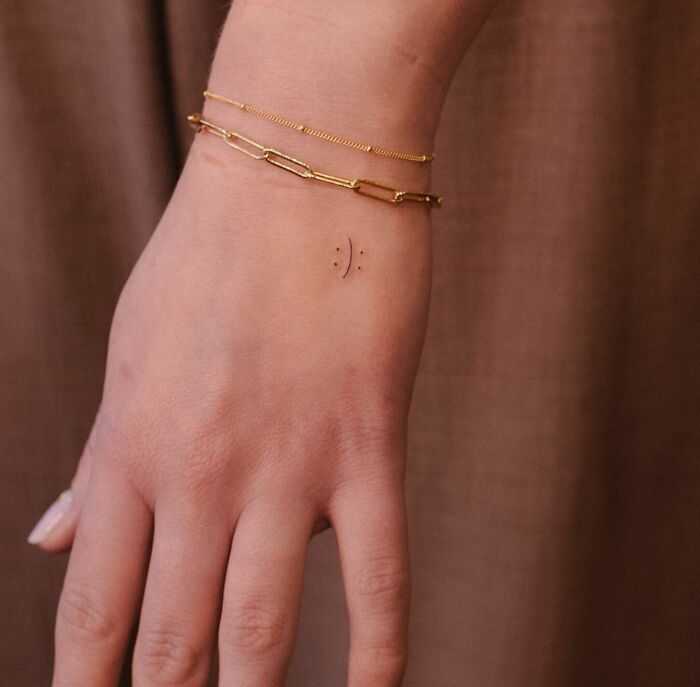
- Choosing the Right Tattoo Placement The best placement for small tattoos has a direct impact on how well the design holds over time. Certain areas of the skin experience more abrasion or have variable elasticity, making it harder for the lines to stay sharp, especially in places that move frequently such as the wrist or fingers. Wrist tattoos are easy to care for but prone to friction
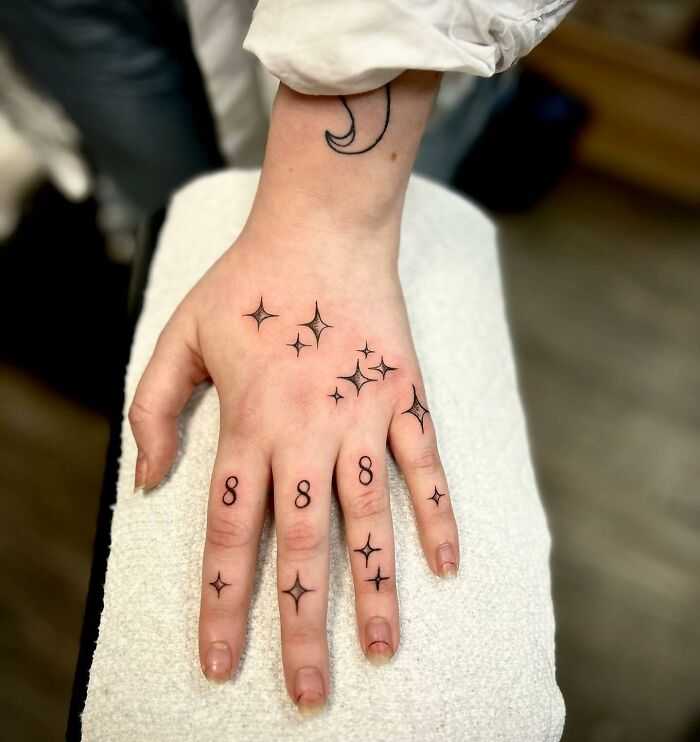
- Finger tattoos are expressive but fade quickly due to constant movement
- Tattoos behind the ear are discreet and experience minimal contact
- The collarbone area is thin and more sensitive but retains detail well
- Tattoos on the hands are eye catching but require more frequent touch ups
- Technology and Technique Used in the Process
Precision tattooing requires specialized equipment and a high level of skill. A rotary machine is more suitable than a coil machine for fine line work because it offers better stability and controlled speed. When the artist adjusts stroke calibration and needle taper appropriately, the lines become more consistent and the risk of slight pigment spread on softer skin areas is reduced. Needle configurations from one round liner to three round liner allow for different line widths. Ink penetration depth must remain even to prevent some sections from appearing darker while others look faint.
There are also important medical considerations. Individuals taking blood thinning medication, those with skin conditions, or those who are pregnant should postpone their session. Proper skin preparation requires the skin to be dry and free from sunburn for at least two weeks beforehand.
A common case among office professionals involves choosing a small design placed on the wrist, such as a minimalist lotus motif. Many first time clients often worry about the possibility of ink spreading over the years, especially after reading about fine line fading. However, observations over an eighteen month period show that the lines can remain stable and sharp when the artist uses anti fade ink combined with a low trauma needling technique. In some instances, only a light touch up on a small detail is needed after more than a year. The initial cost is typically around one point two million, with a touch up priced at three hundred thousand. The healing process usually takes about ten days for the skin to fully recover.
In addition to single needle technique, the artist must adjust machine stroke dynamics and motor torque to achieve better control of vibration. Newer devices use a stabilized shaft mechanism that helps maintain consistent fine lines. When combined with low viscosity pigment, the ink absorption process becomes more stable and reduces the risk of broken or uneven lines on softer areas of the skin.
- Assessing Fading Risks and Planning for Long Term Maintenance The question “Do small tattoos fade faster” is one of the most important concerns. The answer depends on three factors: skin type impact, aftercare consistency, and sun exposure. Oily skin tends to retain pigment better than dry skin, while areas that are frequently exposed to water or chemicals will fade more quickly. What affects tattoo longevity? Beyond skin characteristics, longevity is influenced by pigment quality, the artist’s technique, and personal care habits. Seasonal considerations also play a role. It is best to avoid getting a tattoo during the summer if you expect frequent sun exposure or swimming. Autumn and winter are ideal because the skin experiences fewer environmental stresses. Durability is also affected by the skin microbiome balance and the rate of epidermal turnover. Dry or fast peeling skin can cause pigment to shift unpredictably. In high humidity environments, sweat chemistry may impact pigment stability. Areas exposed to constant friction are more likely to develop gradual blurring over time.
Design Process and Care at Holistic Ink
Optimized Fine Line and Single Needle Process
The question “How are fine line tattoos done” is answered through a standard international process that includes five steps: Consultation and sketching: The artist creates a real sketch to check proportions
- Stencil accuracy: The stencil is placed with precise alignment
- Single needle execution: Each line is applied with steady and controlled movement
- Ink saturation check: The artist evaluates the consistency of pigment density
- Aftercare briefing: Detailed instructions are given for proper care
The low trauma technique allows the skin to recover more quickly. Instead of repeatedly puncturing the same area, this method uses a moderate depth with the minimum number of passes. As a result, swelling and fluid discharge are reduced, and the healing timeline becomes thirty to forty percent shorter.
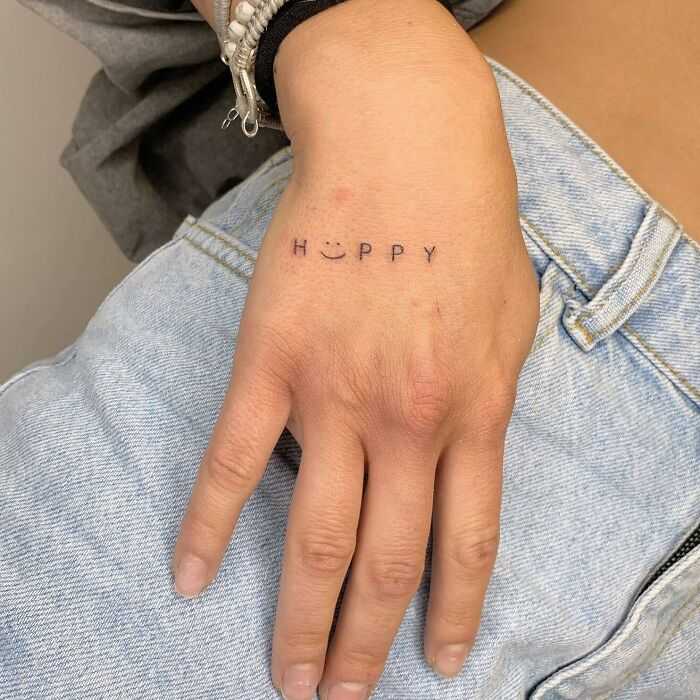
Signature Design Styles
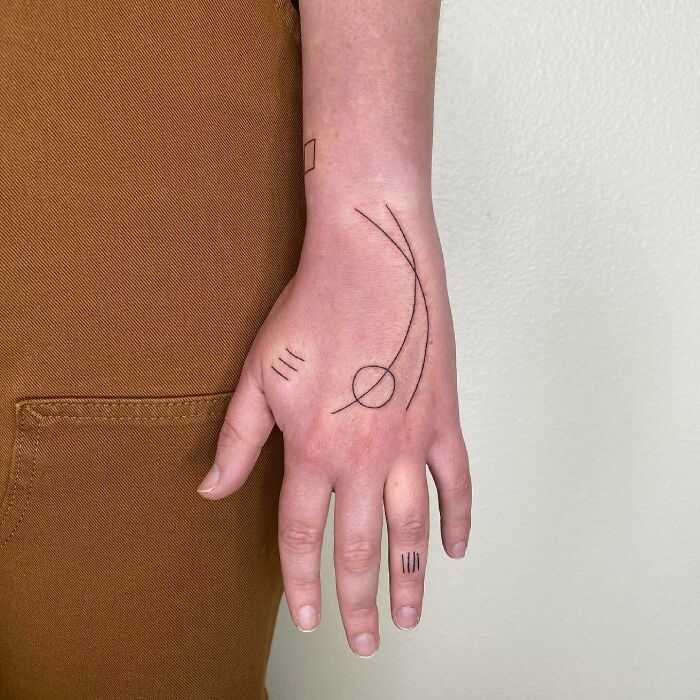
Botanical micro tattoos are one of the studio’s core strengths. We specialize in recreating local floral species with precise botanical detail. Beyond visual beauty, each design reflects the true biological characteristics of the plant it represents. Minimalist symbols draw from the power of geometry and cultural iconography. A Zen circle. A balanced triangle. A single continuous line representing a cycle. Geometric micro art combines simple shapes into more complex compositions. When enhanced with negative space structuring or monoline geometric accents, the layout becomes more open and maintains clarity over time. Small tattoos for women often lean toward zodiac constellations with accurate star connections, abstract mini tattoos inspired by expressive brushstrokes, and micro realism that portrays small portraits or sentimental objects. Small tattoos for men tend to favor stronger symbols and sharper geometric designs. Holistic Ink stands out through its unique blend of traditional Vietnamese symbolism and modern minimalism. The studio is among the few in Vietnam with a team fully specialized in micro style and a portfolio composed entirely of fine line work. Many clients are drawn to negative space minimalism or micro ornamental styles that reflect an East Asian aesthetic. Some designs take inspiration from the Japanese enso or Nordic line symbolism, creating a meditative feeling. This fusion of cultural tradition and contemporary minimalism expands the creative possibilities for the artist.
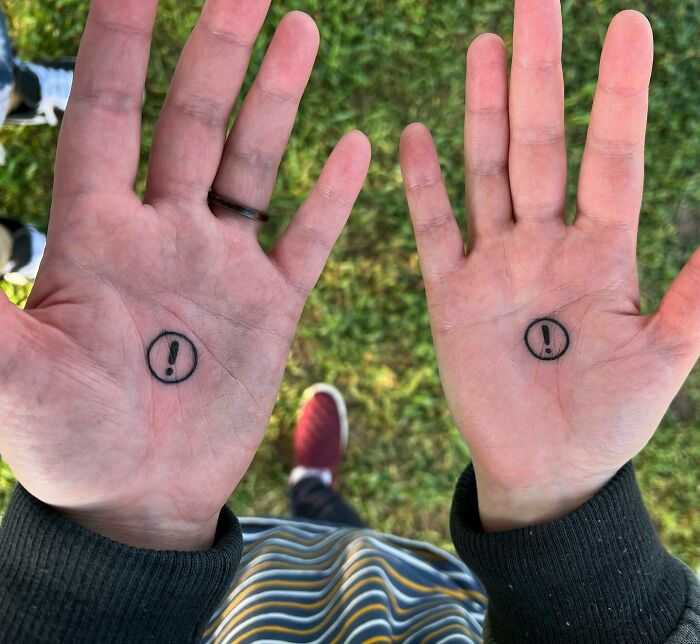
Checklist for Keeping Your Tattoo Sharp for the Longest Time
The question “How to care for small tattoos” can be answered through a simple step routine that should never be skipped:
Step 1: Proper cleaning from day 1 to 14
- Wash gently with unscented soap 2 to 3 times a day
- Avoid soaking the area and keep showers quick
- Pat dry with a clean paper towel without rubbing
Step 2: Moisturizing and recovery from day 3 to 30
- Apply a thin layer of unscented moisturizer 3 to 4 times a day
- Avoid petroleum based or lanolin based creams that may clog pores
- Allow the skin to breathe and avoid covering it continuously
Step 3: Long term sun protection for life
- Use sun protection with SPF 50+ whenever you go outside
- Avoid direct sunlight during the first 6 months. A consistent photoprotection routine combined with a long term hydration cycle helps stabilize pigment, especially in fine line designs that are highly sensitive to ultraviolet light.
- IInk retention depends about 70 percent on proper sun protection
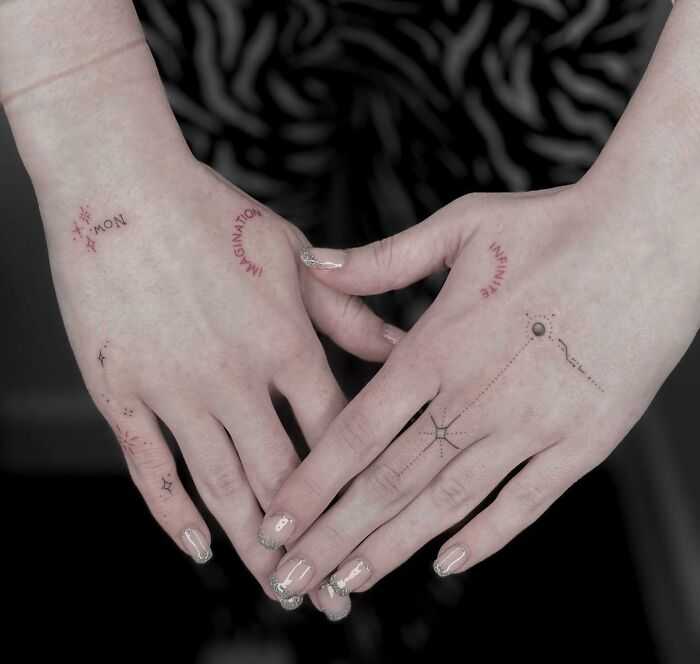
The question “How long do small tattoos take to heal” is common. The outer layer of skin usually heals in 2 to 3 weeks, while deeper layers require 3 to 4 months. Swimming restrictions apply for at least 3 weeks. Gym activities should be avoided for 10 to 14 days, especially movements that stretch the tattooed area. The question “Can small tattoos be covered up” has a yes answer, but it depends on saturation and placement. Fine line tattoos are easier to cover than bold tattoos because they contain less pigment. However, areas such as the fingers or behind the ear are difficult to cover due to limited space. The question “Why do fine line tattoos blur” relates mainly to lack of moisture and ultraviolet exposure. Dry skin causes uneven pigment movement, and ultraviolet rays break down color molecules, leading to spreading of lines. Long term tattoo maintenance requires daily discipline, not just a few weeks of care. Some clients choose a silicone recovery film to reduce moisture loss and support barrier repair. When combined with a non occlusive moisturizer, the epidermis heals more quickly. This reduces pigment dispersion and increases the likelihood of maintaining crisp fine lines during the peeling stage. Small meaningful tattoos are not only an aesthetic decision but also a long term commitment. From choosing the right design to undergoing a professional process, every step influences the outcome. Precision micro needling combined with anti fade ink technology at Holistic Ink ensures that your tattoo stays sharp from the first day and for many years afterward. For additional information or technical consultation, you can contact Holistic Ink for support.