The intricate Irezumi motifs and spiritually symbolic imagery have made Japanese tattoo art one of the most widely admired styles in the world.
In Vietnam, Japanese tattoos have become increasingly popular thanks to their refined craftsmanship and the emotional value each piece carries. Many people are curious about the origins and deeper meanings of traditional Japanese tattooing compared to other genres.
At Holistic Ink, we have created thousands of works belonging to this traditional art form. This article will guide you through its history, distinctive aesthetic qualities, and the most sought-after designs today. We also share practical insights to help you choose a piece that aligns with your personality and personal intentions.
History & Core Meanings of Japanese Tattoos – Insights from Holistic Ink
To fully appreciate the value of Japanese body art, we need to explore its origins and profound symbolism. Traditional Japanese tattooing is far more than pigment on skin—it reflects life philosophy, spiritual beliefs, and social identity.
Origins of Irezumi: From the Edo Period to Modern Expression
Irezumi (literally “inserting ink”) emerged during the Edo period (1603–1868) and quickly became a defining hallmark of Japanese hand-poked tattooing. Unlike modern machines, the tebori technique uses a bamboo rod fitted with needles to create intricate linework and rich, deep coloration.
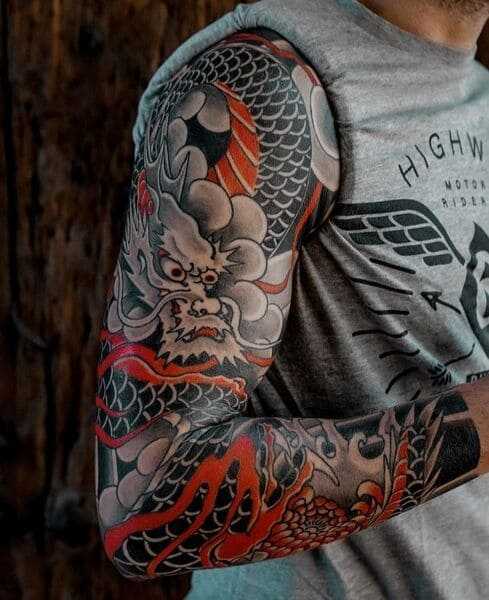
The history of Japanese tattooing is closely tied to ukiyo-e culture and the visual traditions of the Edo era. Artists adapted classical painting techniques into designs applied directly onto the body. Tebori produces remarkable color depth and a natural texture that modern technology still finds difficult to replicate.
Although early traces of body marking can be traced back to the Jomon period (10,000 BCE), the form of Irezumi known today was shaped during the Edo era. Once associated with marking criminals, it gradually evolved into a symbol of courage and loyalty. Many Japanese tattoo artists prefer traditional inks to ensure both safety and long-lasting vibrancy.
Symbolic Meanings: Koi, Dragons, Hannya, Waves, Peonies
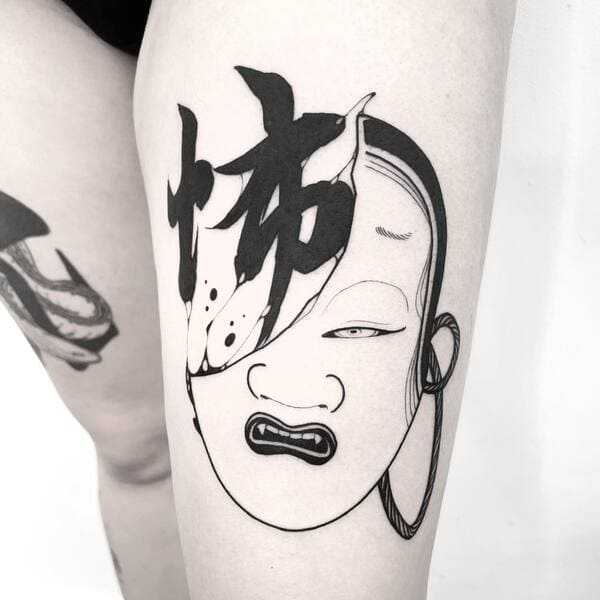
Each motif in Japanese tattoo design carries its own layers of meaning. Koi fish represent perseverance and personal transformation. The Hannya mask depicts powerful emotional states, while Oni figures embody protection and strength.
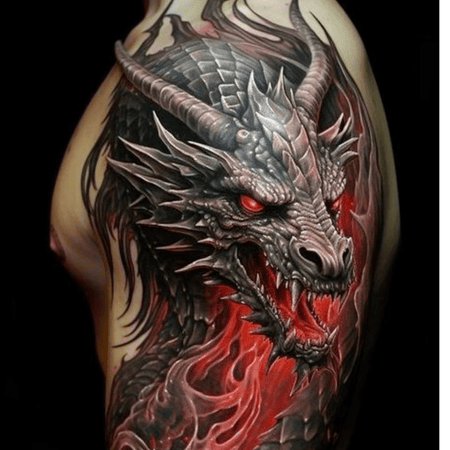
In Japanese culture, dragons symbolize wisdom and good fortune, often paired with kumo (clouds) or nami (waves) to create flowing movement and visual depth. Sakura highlights life’s fragility, while peonies evoke honor and prosperity.
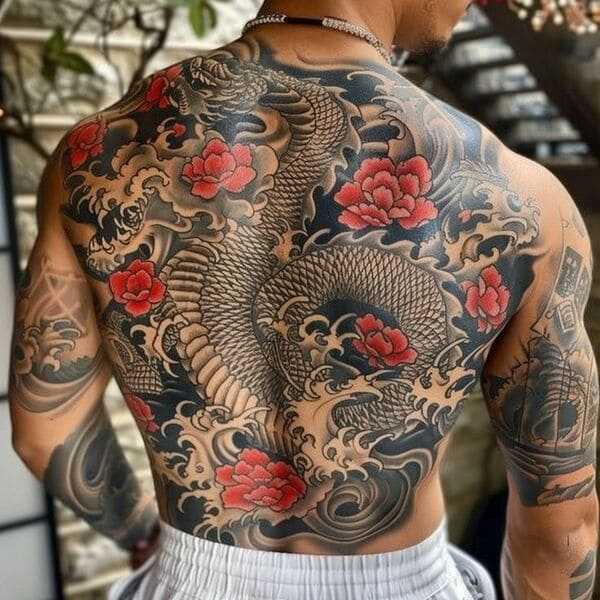
Samurai imagery reflects the spirit of bushido and unyielding loyalty, whereas geisha tattoos express elegance, artistry, and feminine refinement. The Japanese phoenix symbolizes rebirth and hope. Cherry blossoms serve as reminders of life’s impermanence and the importance of cherishing each moment.
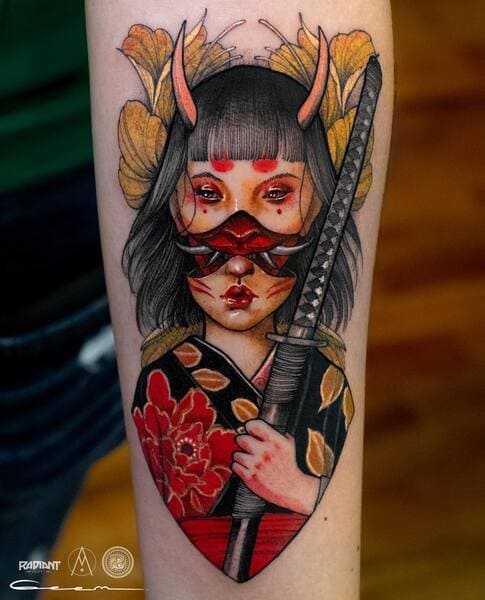
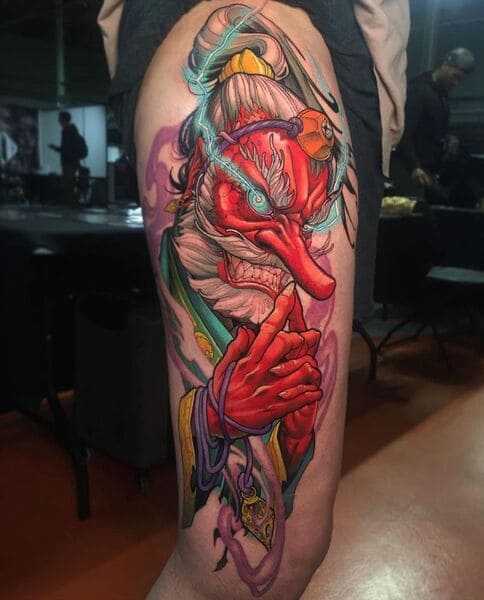
Beyond these well-known elements, Japanese art features a wealth of deeper cultural icons such as Kitsune, Daruma, Tengu, and the deities Raijin and Fujin. Other motifs—like Fudo Myoo, Hebi, and Komainu—convey protection, renewal, and spiritual grounding. This rich visual language allows artists to combine motifs in unique ways, making each piece emotionally resonant and artistically distinct.
Popular Japanese Styles Tattoo Today – Advice from Holistic Ink
Modern Japanese styles tattoo span a wide range of expressions, from traditional to neo-traditional. Black & grey pieces capture a classic aesthetic, while color tattoos stand out with vibrant palettes inspired by Japanese artistry.
In traditional techniques, artists focus on layering and blending sumi ink with background elements like kumo (clouds), nami (waves), or kaze (wind) to create depth and a seamless flow. Negative space is also used strategically to emphasize the main subject, giving the overall composition the harmony and distinct aura of classic Japanese art.
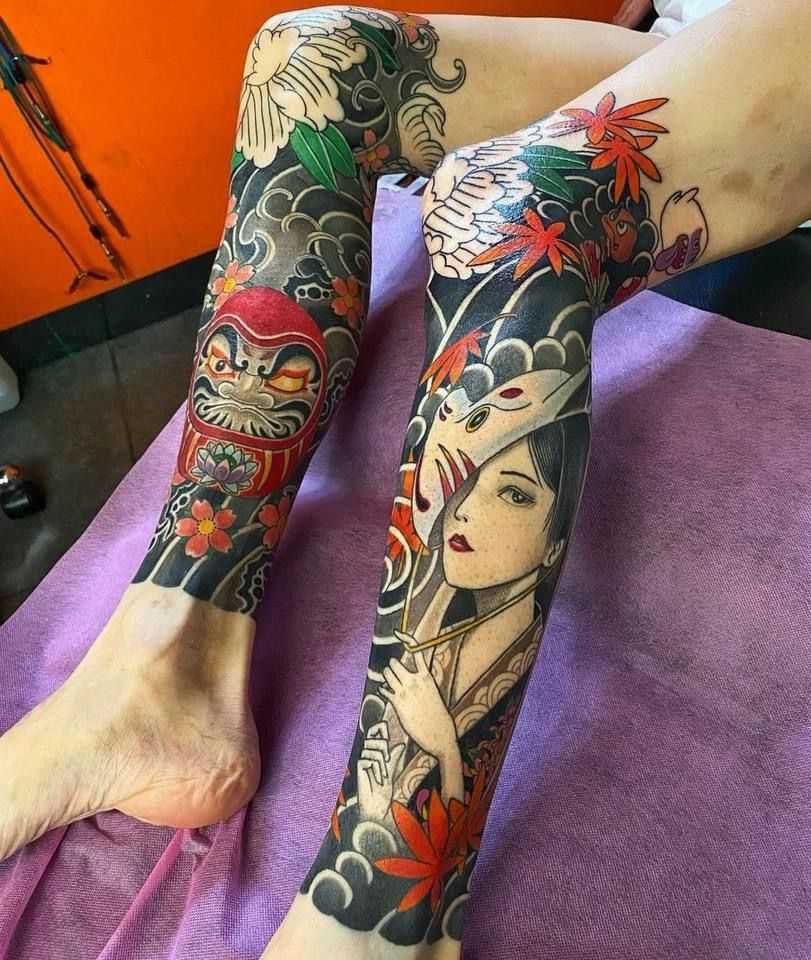
Japanese full sleeves and backpieces remain among the most sought-after formats. Half-leg designs are ideal for individuals who prefer starting with a more moderate coverage. Traditional color schemes often incorporate red, blue, yellow, and black, complemented by aizome blue or bengara red to achieve balanced tones—particularly suitable for Asian undertones.
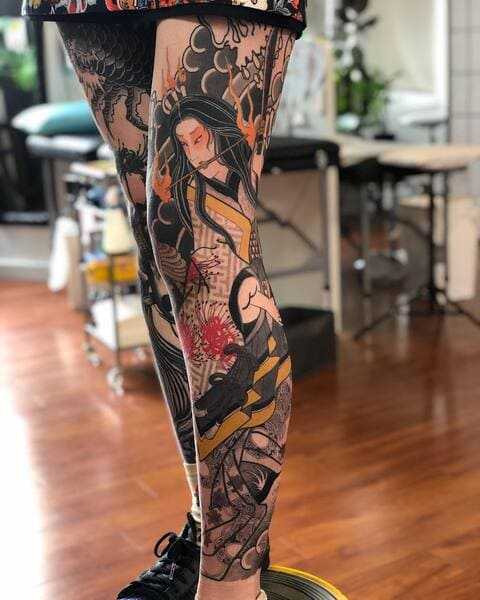
Fine linework combined with expert shading and layered techniques adds striking depth, especially when paired with negative space in traditional compositions. Mini Japanese designs are perfect for beginners or those wanting a smaller, subtle piece. Sleeves, full backs, and other large-format tattoos each require specific technical approaches.
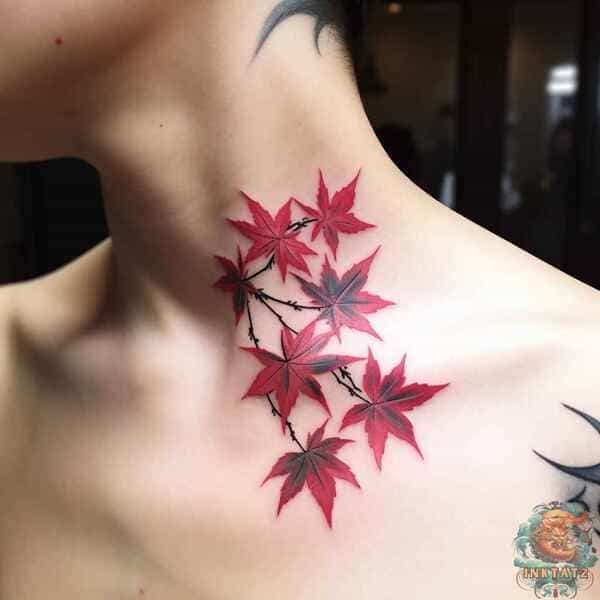
In more traditional projects, artists often apply composition flow principles to ensure the main subject interacts harmoniously with its background. Aizome blue and bengara red are frequently balanced according to classical ratios to maintain visual coherence. Panel division techniques also help guide the viewer’s eye and define the central focus of the design.
Checklist: How to Choose the Most Suitable Style
- Choose based on the main motif: koi, dragons, Japanese mask tattoo
- Choose based on placement: arms, back, legs
- Choose based on style direction: traditional, neo, mini, blackwork
How to Choose the Right Japanese Tattoo Design – Insights from Holistic Ink Experts
Choosing a Design Based on Meaning, Body Placement, and Personal Traits
Selecting a Japanese tattoo design requires considering multiple factors. Choosing the right motif should reflect one’s personality. Those with a strong, bold character often gravitate toward dragons or tigers, while people with a softer, more feminine style may prefer sakura or peonies.
Feng shui elements also play an important role, especially within Asian cultural contexts. Traditional Japanese color schemes usually carry positive meanings. Red symbolizes luck, blue represents peace, while aizome shading adds natural depth and enhances contrast on warm undertones.
One of our clients, Fasha (35), chose a Japanese-inspired piece combining a dragon and ocean waves at Holistic Ink. He shared: “After researching the symbolism, I decided to place a dragon on my right arm to express my ambition for career success. The entire process took three sessions, each lasting four hours. Healing went smoothly thanks to proper aftercare. Six months later, the results exceeded my expectations—the details remained sharp, and the colors stayed vibrant.”
Price – Pain Level – Completion Time: Essential Information for First-Time Clients
The cost of Japanese style tattoos varies depending on size and complexity. Small pieces (5–10 cm) typically range from 1–3 million VND. A full sleeve usually requires 15–25 million VND, while a large backpiece can reach 30–50 million VND.
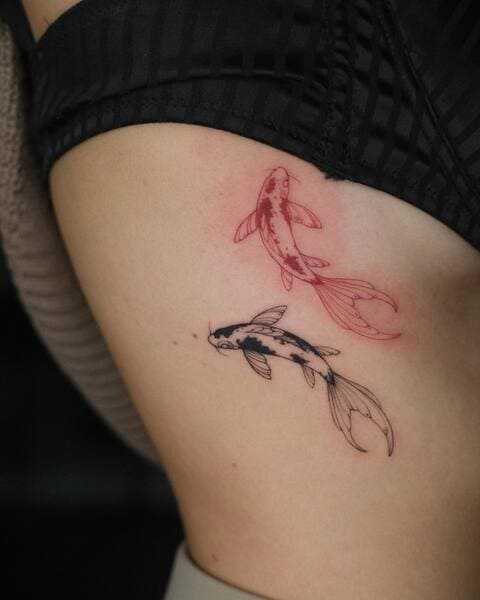
A sleeve generally takes 15–25 hours to complete, divided into 4–6 sessions. Large back tattoos may require 30–40 hours. The most sensitive areas include the ribs, spine, and around major joints.
Proper aftercare helps maintain color longevity and enhances fade resistance. Post-tattoo care includes gently rinsing with saline solution, applying unscented moisturizer, limiting UV exposure, and considering periodic touch-ups after the healing phase. Touch-ups are often needed within 6–12 months to preserve sharp details and vibrant tones.
Checklist: What to Prepare Before Getting Tattooed
- Find a nearby studio by reviewing the artist’s portfolio
- Confirm size, motif, and session schedule with your artist
- Prepare your skin: sleep well, moisturize, avoid alcohol
- Learn about aftercare to maintain long-lasting color

People who spend a lot of time outdoors should pay extra attention to UV intensity, as strong sunlight can reduce color durability. For warm skin tones, artists often prefer aizome shades or sumi shading to maintain contrast. Assessing your skin undertone beforehand helps achieve a more harmonious and long-lasting result.
Japanese-inspired tattoos are not only an art form but also a journey of self-discovery. Each piece carries its own story, reflecting the wearer’s personality and aspirations. Choosing the right studio, artist, and design ensures you receive a work of art that lasts a lifetime.
If you need more information or technical advice, feel free to contact Holistic Ink for free consultation, professional service, and quick support.