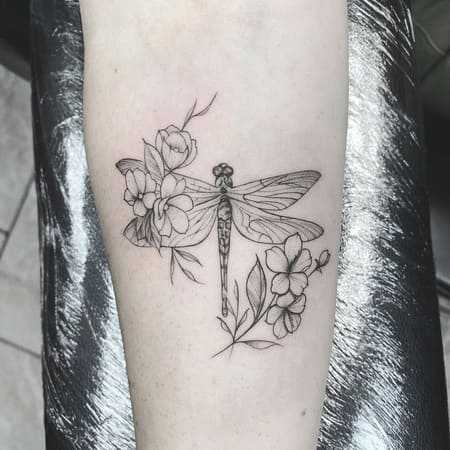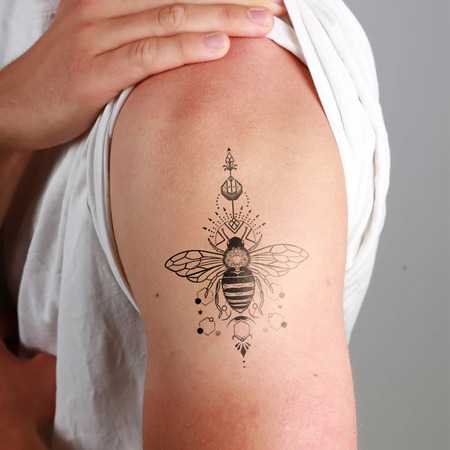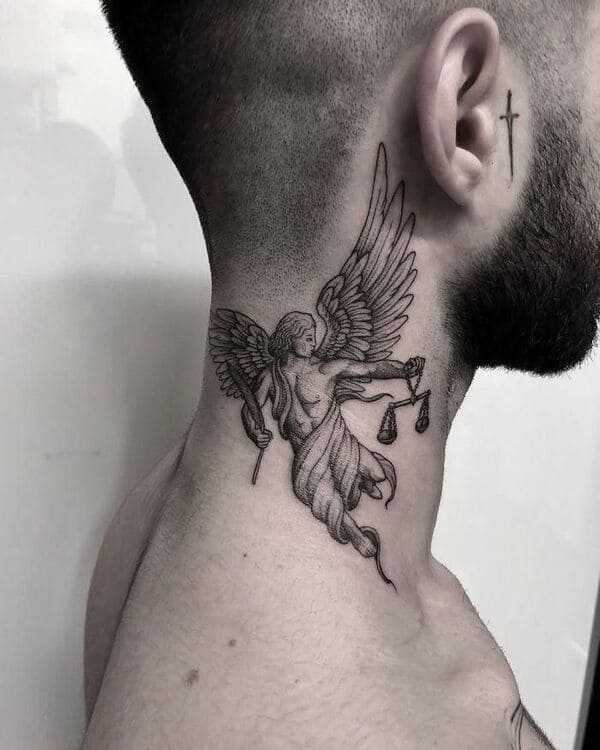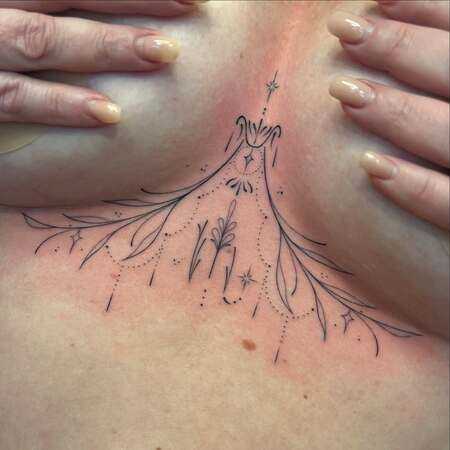
Sleeve tattoos are not just tattoos. They are a work of art that stretches along the arm, telling a personal story from the shoulder down to the wrist. Holistic Ink understands that many people still wonder: what exactly this style of tattoo is, which type they should choose, and whether the cost or level of pain is manageable. For many individuals, it is also a way to establish a personal identity — a tattoo identity — more clearly than words ever could. This article answers everything, from the definition to the criteria for choosing the right option for each person.
What Is a Sleeve Tattoo? Why Many People Choose Arm-Covering Tattoos | Holistic Ink
Definition of Sleeve Tattoos in Tattoo Art
A sleeve tattoo is a style of tattoo that covers part or all of the arm, designed as a connected tattoo artwork rather than a collection of separate images. The term “sleeve” accurately reflects the layout that wraps around the arm along its natural length.
Each element in the tattoo design plays a role in the overall composition, helping create a continuous visual flow that follows the curves of the body. Tattoo artists often consider visual balance, compositional structure, and the distribution of negative space so that details blend together across the entire body art canvas. This element of tattoo storytelling — the ability to tell a story through images running across the arm — is what distinguishes sleeve tattoos from other tattoo forms. This is why arm sleeve tattoos are considered one of the tattoo artworks that require the highest level of technical skill in the industry.
Why This Tattoo Style Has Become a Body Art Trend
The core value of a body canvas tattoo is transforming the body into a space for personal storytelling. Arm tattoo composition allows themes to unfold vertically, naturally wrapping around muscles and arm joints — something that small, separate tattoos are difficult to achieve.
Types of Sleeve Tattoos | Holistic Ink
There are three common types, distinguished by coverage area:
- Full sleeve tattoo — from the shoulder to the wrist
- Half sleeve tattoo — from the shoulder to the elbow, or from the elbow to the wrist
- Quarter sleeve tattoo — covering about one-quarter of the arm, usually on the upper shoulder area
Each type has its own characteristics in terms of surface area, execution time, and cost. The choice depends on personal style, budget, and the level of commitment to the tattooing process.
Popular Design Styles for Arm Sleeve Tattoos
Each sleeve tattoo project is usually built around a specific artistic style to maintain consistency. Popular choices include Japanese tattoo style, blackwork tattoo, realism tattoo, geometric tattoo design, and neo traditional tattoo. Each style has a different approach to tattoo linework, tattoo shading, and tattoo color palette. Choosing the right style from the beginning helps ensure tattoo visual cohesion and prevents the finished artwork from feeling disjointed.
Comparison: Should You Choose a Full Sleeve, Half Sleeve, or Quarter Sleeve
| Criteria | Full sleeve | Half sleeve | Quarter sleeve |
| Coverage area | Entire arm | Half of the arm | One-quarter of the arm |
| Number of sessions | 10–20 sessions | 5–10 sessions | 2–4 sessions |
| Best suited for | People with tattoo experience | Beginners or those who want to experiment | First-time beginners |
- A full sleeve tattoo design suits those who want to build a comprehensive artistic concept — such as a Japanese sleeve tattoo or a black sleeve tattoo with strong symbolic meaning.
- Half sleeve tattoos for women often prioritize the forearm area so the tattoo can be covered easily when needed.
- Half sleeve tattoos for men commonly extend from the shoulder down to the elbow, emphasizing muscle structure.
- A quarter sleeve tattoo is a more compact option, suitable for people who want to experiment before expanding further.
- Sleeve tattoos for women are becoming increasingly diverse in style, ranging from delicate floral themes to modern geometric designs.
In terms of lifestyle, tattoo personal style and tattoo lifestyle choice are two factors that directly influence the decision: someone who frequently wears short sleeves in a relaxed work environment may be more suited to a full sleeve than someone working in a setting that requires more conservative clothing.
How to Develop a Concept for an Arm Sleeve Tattoo Project
Before starting, tattoo artists usually build a tattoo sleeve concept based on a personal story or a visual theme. This process includes defining tattoo theme development, arranging the tattoo composition, and designing the tattoo sleeve layout according to the natural movement and structure of the arm. Elements such as tattoo visual flow, tattoo negative space, and tattoo background filler help connect individual details into a seamless whole across the arm tattoo canvas.
Do Sleeve Tattoos Hurt? Cost and Time You Should Know
The level of pain depends on the specific location on the arm. Referring to a tattoo pain chart (a chart showing pain levels by skin area) can help you prepare mentally before each session:
- Outer upper arm: low pain, thicker muscle tissue
- Inner arm: higher pain, thinner skin and closer to nerves
- Elbow: high pain, bone close to the skin surface
- Wrist: moderate to high pain
Each tattoo session typically lasts about 3 to 5 hours. For larger projects, tattoo artists divide the process into stages such as the tattoo linework stage, tattoo shading stage, and finally tattoo color packing. This approach helps control fine details and ensures consistent tattoo depth contrast across the entire piece.
A full sleeve usually requires 10 to 20 sessions, while a half sleeve may take 5 to 10 sessions. A traditional tattoo sleeve with many intricate line details may require additional sessions for coloring and shading. Between sessions, a two- to four-week break is typically needed to allow the skin to heal.
The tattoo artist rate, meaning the fee charged per hour or per project, can vary widely depending on the artist’s skill level and reputation. The tattoo sleeve price range at reputable studios usually starts at around 3 million VND per session*. This is not a cost you should try to minimize by choosing the cheapest option — the quality of the artwork depends directly on the person creating it.
Design Process and Preparation Before Getting a Sleeve Tattoo
At professional studios, large tattoo projects usually begin with a tattoo consultation to discuss ideas and examine the placement. The artist will create a tattoo stencil design or a tattoo mockup to visualize the composition before starting. After that, the tattoo session planning is divided into multiple sessions to ensure that the tattoo layering technique, tattoo shading technique, and tattoo color packing are executed precisely.
Things to Consider Before Getting a Sleeve Tattoo
Choose a Reputable Tattoo Artist
A skilled custom tattoo artist does more than just tattoo well — they also advise on composition, guide the artistic style, and adjust the design to match each person’s arm anatomy. This process often includes evaluating arm anatomy tattoo flow, developing a large-scale tattoo concept, and ensuring tattoo artistic cohesion among all elements throughout the project.
Before making a decision, carefully review the artist’s tattoo portfolio, especially sleeve tattoos they have previously completed. For those who want to cover an existing tattoo, a sleeve cover up tattoo requires expertise in working over existing ink layers — so it’s important to choose a service with specialized experience.
Aftercare for Sleeve Tattoos
Tattoo aftercare directly affects the color quality and durability of the artwork. Basic steps include:
- Gently wash with unscented soap twice a day during the first week
- Moisturize with a specialized cream (tattoo moisturizing) — avoid applying it too thickly
- Avoid direct sunlight during the healing process (tattoo fading protection)
- Do not soak the tattoo in water and do not scratch it even if it feels itchy
- Monitor for signs of infection. If redness persists or unusual swelling occurs, contact the studio immediately.
Surface healing usually takes two to four weeks. Complete healing beneath the skin can take up to three months.
How to Keep Your Tattoo Colors Vibrant for Longer
After the tattoo has fully healed, proper maintenance helps extend tattoo longevity. Strong sunlight is one of the most common causes of tattoo fading, so using sun protection for tattoos when going outdoors is recommended. After a few years, some details may require a tattoo touch up to restore sharpness. Keeping the skin well moisturized and minimizing friction also helps protect tattoo color preservation and maintain the contrast of the artwork.
Getting an arm sleeve tattoo is a long-term decision — involving time, finances, and a commitment to proper care. Choosing between a full sleeve, half sleeve, or quarter sleeve depends on personal style, budget, and your readiness to invest in the process. Most importantly, finding the right artist who understands the story you want to express through your tattoo is essential. We are ready to accompany you from the initial idea consultation to the final tattoo session.
If you need more information or technical advice, contact Holistic Ink tattoo studio for a free consultation. Our team of artists will provide detailed guidance and support.