
Some things once thought to be left behind in the 2000s—flared pants, cat-eye glasses, flip phones—are returning. Fashion moves in cycles. And this time, one of the strongest comebacks is the tramp stamp—a tattoo once considered the most judged in the history of body art. Nearly two decades after being labeled “outdated,” lower back tattoos are resurging across social media, on fashion runways, and on the skin of Gen Z. At Holistic Ink, we witnessed this wave early—and we understand why it’s more than just a passing trend.
What Is a Tramp Stamp? What Does a Lower Back Tattoo Represent?
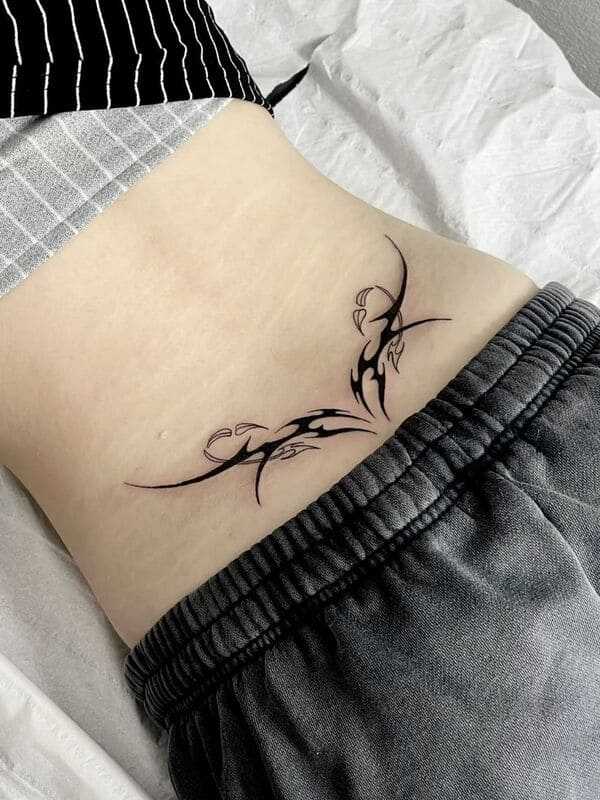
“Tramp stamp” is a slang term for a lower back tattoo—a design placed on the lower back, just above the buttocks, often stretching horizontally across both hips in a symmetrical layout. This placement became especially popular in the late 1990s and early 2000s during the global rise of body art.
The term emerged in American pop culture in the early 2000s. Initially, it carried a derogatory connotation—a way of judging women who chose tattoos in this location. That stigma was unfounded, yet it persisted for years. Understanding the origin of the term is the first step to seeing why Gen Z is now actively reclaiming it.
Key characteristics of this tattoo style:
- Located on the lower back, just above the sacrum
- Typically features strong horizontal symmetry
- Common styles include: tribal, floral, butterfly, ornamental, and script lettering
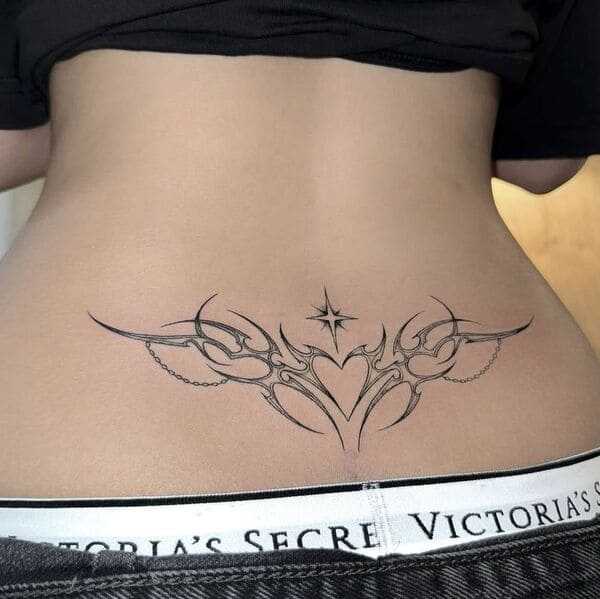
The meaning of lower back tattoos for women cannot be separated from the individual who wears them. Symbolically, the lower back in many cultures is associated with feminine strength and the body’s core energy. Feminine symbolism in tattoo art is often expressed through curves, symmetry, and organic patterns—all of which naturally align with this placement.
The question “what does a lower back tattoo symbolize?” doesn’t have a single definitive answer. Each person has their own reason. However, more broadly, tattoos in this area often reflect:
- Personal identity and bodily autonomy
- An appreciation of natural curves—a message aligned with the body positivity movement (embracing diverse forms of beauty)
- A connection to Y2K cultural nostalgia as a form of intentional self-expression
- A reaffirmation of aesthetic freedom without the need for societal approval
Why Gen Z Is “Reclaiming” the Lower Back Tattoo Trend | Studio Holistic Ink
The popularity of lower back tattoos has gone through several phases in pop culture. During the 1990s tattoo trends, this placement began gaining attention under the influence of pop music and street fashion. By the early 2000s, it had become a defining symbol of early 2000s tattoo culture. After a period of decline due to social stigma, a wave of nostalgia helped spark a tattoo revival trend, as a new generation began reinterpreting the past through a more aesthetic and personal lens.
The Y2K revival—a resurgence of early 2000s aesthetics—goes beyond fashion. It has naturally extended into tattoo art. Lower back ink—once a defining symbol of that era—has become one of the most recognizable nostalgic choices. Retro tattoo styles are not simply about copying the past—they represent how a new generation reinterprets history through its own visual language.
During the peak of pop culture tattoo trends, many artists and celebrities helped turn lower back designs into iconic symbols of the time. Images featured in magazines and on television amplified celebrity tattoo influence among younger audiences. The visibility of these designs in mainstream culture also shaped public perception of iconic Y2K body art, long before its current resurgence driven by nostalgia.
On platforms like TikTok and Instagram, content related to back waist tattoos has seen significant growth since 2022. Professional tattoo artists report a noticeable increase in bookings for this placement—especially among clients aged 18–28.
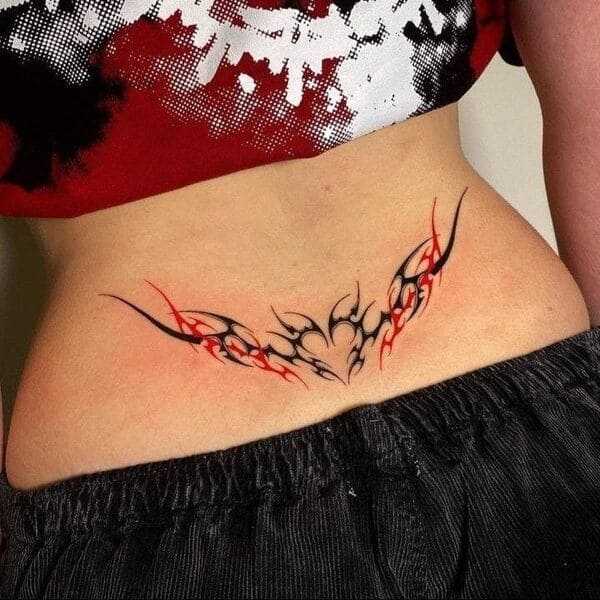
Gen Z isn’t embracing this trend out of ignorance. They understand the history behind the term—and they are consciously choosing to reclaim it. This reflects a clear expression of body autonomy: the belief that individuals have full control over what happens to their bodies, including where and what they choose to tattoo.
The question “are lower back tattoos still considered inappropriate?” is gradually losing its relevance. As social stigma is challenged and dismantled by the younger generation, the meaning of a tattoo is no longer defined by outsiders.
Popular Lower Back Tattoo Designs Today
Our studio has identified five styles that are currently most requested—especially among clients looking for lower back tattoo ideas that match their personal aesthetic:
- Tribal: Symmetrical designs with bold, defined lines and a classic edge. Ideal for those who want something strong and striking.
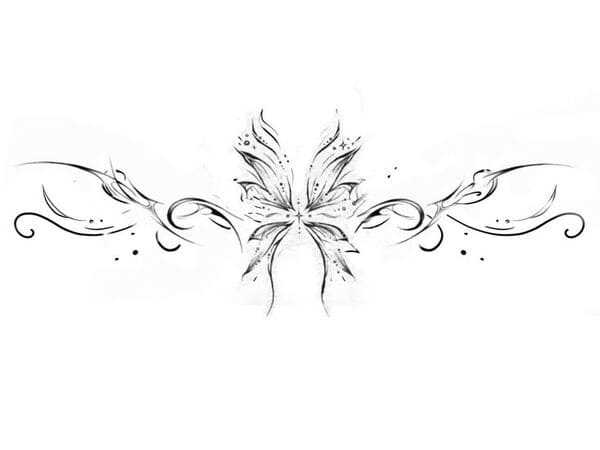
- Butterfly: A symbol of transformation and freedom. Often executed with fine line details or soft watercolor shading.
- Floral: Roses, lotuses, peonies—these all complement the natural symmetry of the lower back. Soft yet visually impactful.
- Ornamental: Decorative, often geometric styles that highlight the body’s curves. A top choice for those drawn to artistic aesthetics.
- Minimalist: Clean, subtle designs—an increasingly popular option among first-time tattoo clients who prefer a more understated start.
Beyond these popular styles, many clients are also seeking more personalized variations. Within feminine tattoo ideas, designs that combine florals, flowing curves, and ornamental elements are often chosen to create a balanced composition. Tattoo artists frequently develop symmetrical tattoo designs tailored to the natural shape of each individual’s back and hips. This approach transforms each piece into a unique form of decorative waist tattoo, rather than simply replicating a pre-existing design.
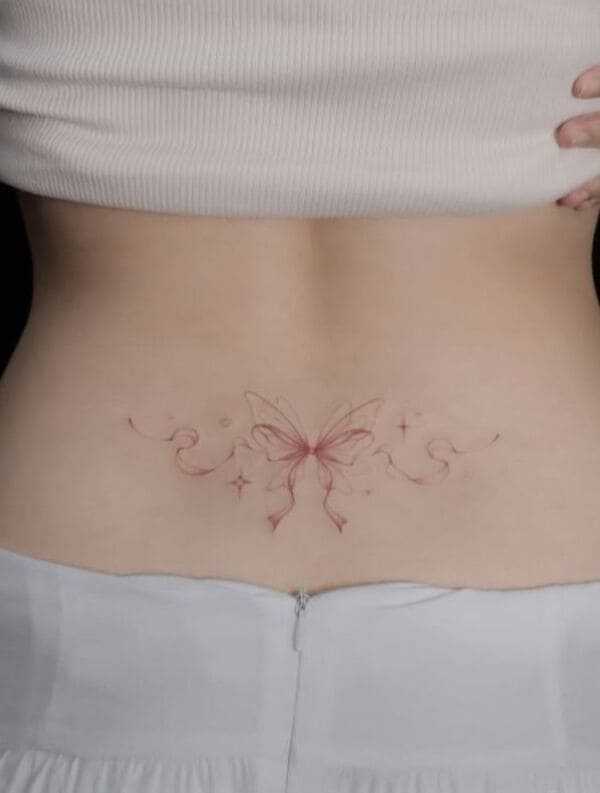
The lower back is widely considered by artists to be one of the most ideal areas for symmetrical compositions. The natural curve of the hips supports horizontally extended layouts, enhancing visual balance. In many tattoo placement guides, this area is categorized as particularly suitable for symmetrical tattoo placement or waistline tattoo design. Designs that extend slightly across both hips can also enhance the body’s natural silhouette, making lumbar tattoo placement especially effective for accentuating curves.
Things to Consider Before Choosing a Lower Back Tattoo Design and Placement
A great tattoo isn’t just about the design—it’s about how well it harmonizes with your body. The width of your back, the curve of your hips, and the distance from your waist to your buttocks vary from person to person. These body proportions directly influence the size, shape, and flow of the tattoo.
That’s why every design at our studio is sketched directly onto the client’s body before tattooing—rather than copied exactly from a reference image.
Pain Level Considerations: The lower back is generally considered a moderate pain area—less painful than the ribs or wrists, but more sensitive than the outer thigh. The area near the sacrum can feel more sensitive. For first-time clients, this placement is still regarded as relatively manageable compared to many other parts of the body.
In most tattoo pain charts, the lower back falls into the medium pain category. Skin closer to the sacrum tends to be more sensitive than the fleshier sides, but it is still more tolerable than areas like the ribs or ankles. Factors such as individual pain tolerance, skin thickness, and session duration all affect the actual experience. For this reason, many artists recommend reviewing a tattoo pain scale before deciding on placement.
The healing phase typically lasts 2–4 weeks. Key aftercare guidelines include:
- Avoid clothing friction on the tattooed area during the first 7–10 days
- Do not soak the tattoo in water until it is fully healed
- Moisturize regularly with fragrance-free lotion to prevent fading
- Apply sunscreen after healing to maintain long-term clarity
The durability of a tattoo depends on several factors, including ink quality, the artist’s technique, and proper aftercare. According to studies on tattoo longevity, the lower back tends to retain its shape and detail well if properly maintained. However, tattoo fading can still occur over time due to sun exposure and friction from clothing.
For this reason, many artists recommend periodic touch-ups to keep tattoo ink aging in optimal condition. Proper maintenance is not optional—it’s an essential continuation of the tattoo process itself.
Frequently Asked Questions
What is a tramp stamp tattoo?
It refers to a tattoo located on the lower back, popular since the late 1990s. Today, Gen Z is redefining it in a more positive and empowering way.
Why is the lower back tattoo trend coming back?
It’s driven by the Y2K revival combined with Gen Z’s emphasis on body autonomy and self-expression.
Do lower back tattoos hurt?
According to many tattoo pain charts, this area falls into the moderate pain range. The region near the sacrum may feel more sensitive due to less soft tissue cushioning, but it is generally more tolerable than areas like the ribs. The actual experience depends on individual pain tolerance, the size of the design, and the duration of each tattoo session.
What designs are most popular right now?
Tribal, butterfly, floral, ornamental, and minimalist styles are currently the top choices.
If you need more information or technical consultation, please contact Holistic Ink tattoo studio for a free consultation, with professional and prompt service.